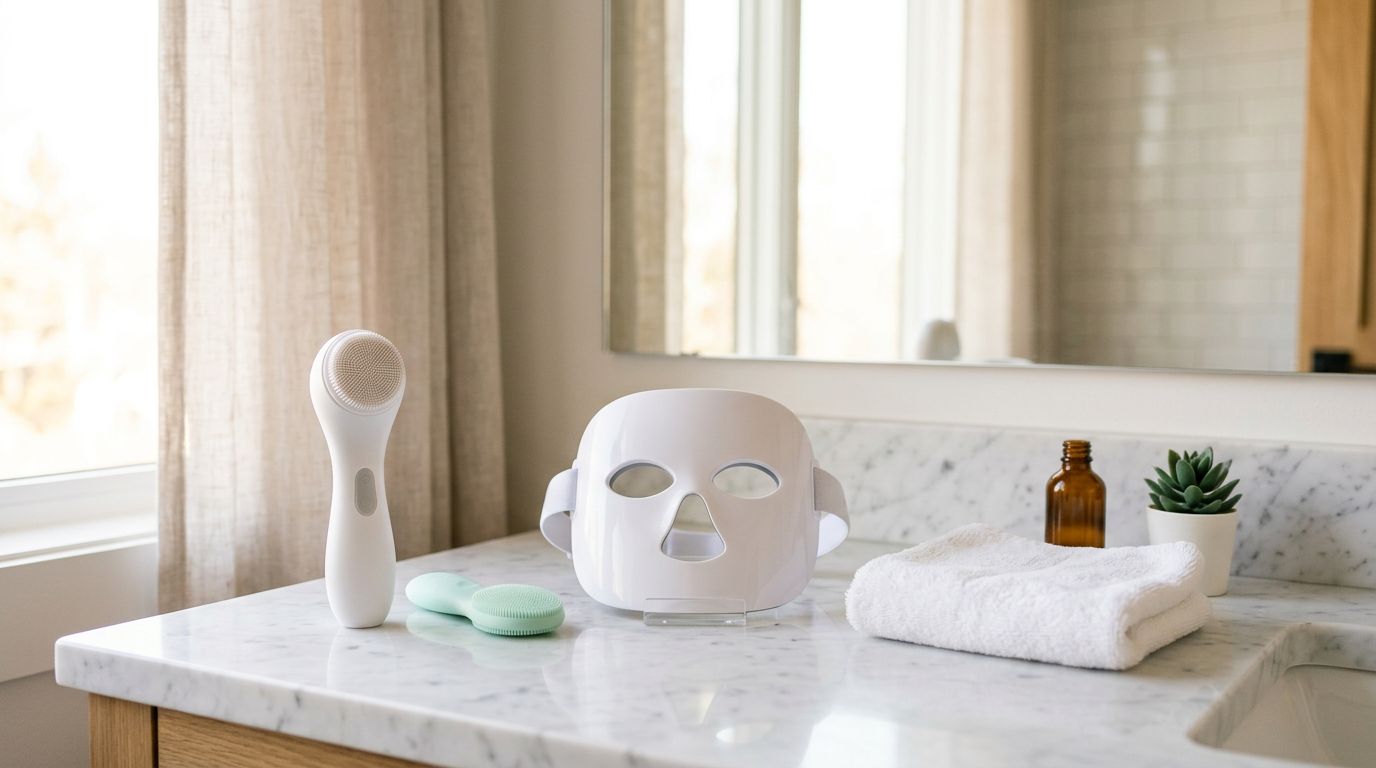
If you’re new to skincare, don’t buy a drawer full of gadgets. The best skin care tools in 2026 are simple, gentle, and easy to clean. A good beginner tool should save time, support your routine, and not upset your skin when you make a mistake.
Think of your first tool kit like a basic kitchen set. Start with what you’ll use every week, then add upgrades later. That’s the easiest way to avoid wasted money, clutter, and irritation.
In March 2026, beginner trends favor smaller routines and daily-use tools, not crowded bathroom shelves. Roundups like Good Housekeeping’s 2026 beauty tool picks and The Derm Spot’s 2026 device guide point in the same direction: gentle cleansing tools, LED masks, and easy devices that fit real life.
For beginners, the best tool does four things. It’s easy to use, simple to wash, safe for your skin type, and priced low enough that you won’t regret the buy. If you have sensitive or acne-prone skin, be extra careful with anything abrasive, sharp, or suction-based. Those tools can act like sandpaper when your skin barrier is already stressed.
Also check the boring details. Does it dry fast? Can you clean it with mild soap? Does it need costly replacement heads? A tool that stays damp or needs constant refills isn’t very beginner-friendly.
Start with one essential tool, then add an upgrade only if you’ll use it weekly.
This quick comparison makes the first choice easier.
| Tool | Type | Best for | Usual price |
|---|---|---|---|
| Silicone cleansing pad | Manual | Gentle daily cleanse | $5 to $15 |
| Face roller or gua sha | Manual | Massage, temporary depuffing | $10 to $30 |
| Sonic cleansing brush | Device-based | Easy deeper cleanse | $25 to $120 |
| LED mask | Device-based | Hands-free support for acne or redness | $80 to $300+ |
The takeaway is simple. Manual tools are cheaper and lower-risk. Device-based tools can do more, but they need charging, upkeep, and steady use.
A soft silicone cleansing pad is the safest first buy for most people. It helps spread cleanser evenly and can lift sunscreen, oil, and makeup better than fingers alone. Because it’s non-porous, it’s usually easier to rinse clean than cloth mitts or dense brush heads. Most beginners can use it once a day, but if your skin feels tight, cut back.
A clean microfiber washcloth can also work well, especially on a budget. Still, wash it often and let it dry fully between uses. Damp fabric can hold onto residue, which is why many beginners prefer silicone.
Face rollers and gua sha tools are optional upgrades, not must-haves. They can help with morning puffiness and make facial oil feel more relaxing. Recent face roller and gua sha roundups show how popular these tools still are in 2026, but keep your expectations modest. Think massage, not magic.
If your skin is inflamed, broken, or covered in active acne, skip massage tools until it calms down. Pressure and dragging can make redness worse. Use enough slip, wash the tool after each use, and never share it.
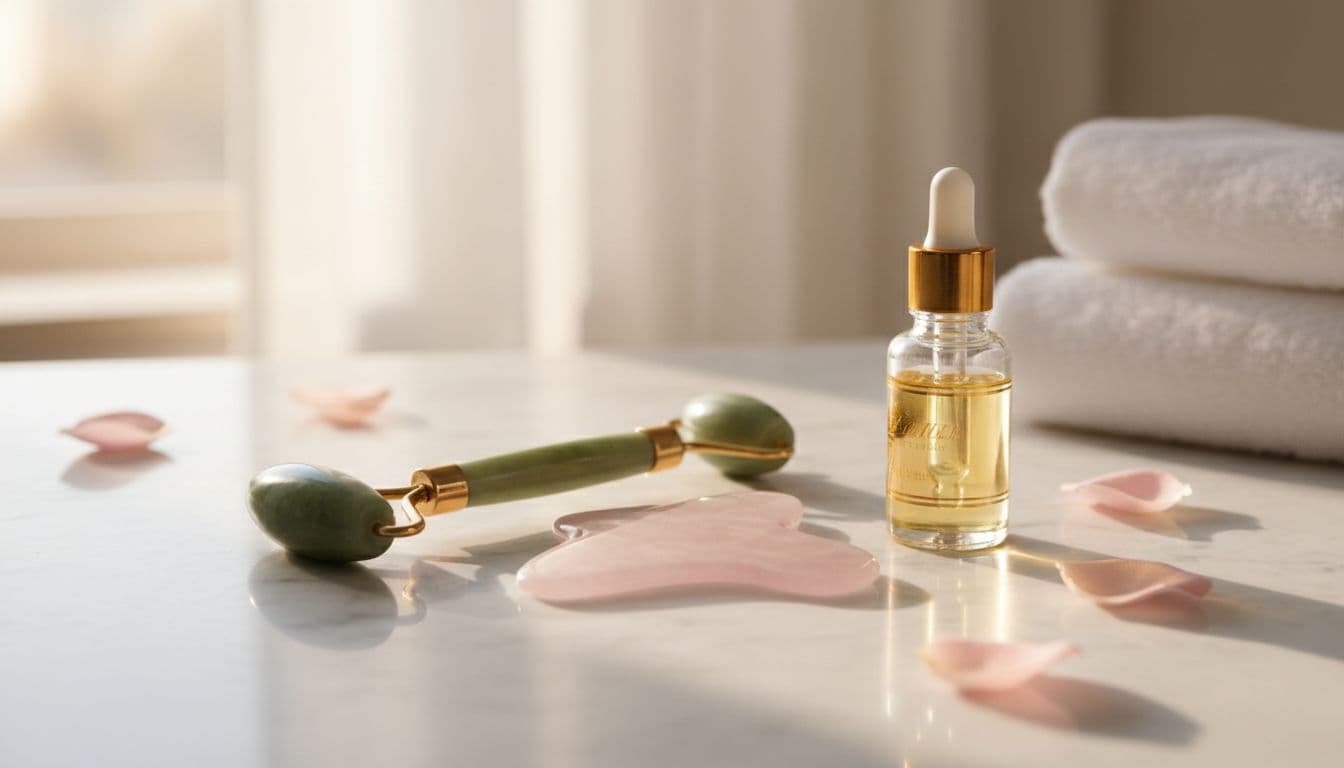
For price and ease, manual tools are hard to beat. You can build a solid starter set for under $30, which makes them a smart first step.
If you want one device-based tool, start with a sonic cleansing brush. In 2026, beginner-friendly models usually have soft silicone touchpoints, a few speed settings, and waterproof bodies. That matters because they clean well without rough scrubbing. Still, more isn’t better. Start on low, especially if you have rosacea, eczema, or a weak skin barrier.
LED masks are the next step up. They look advanced, yet many are easy to use because they’re hands-free. Most sessions last 10 to 20 minutes a few times a week. Red light is often used for redness and texture, while blue light is common in acne-focused masks. Results take time, so don’t expect a one-week change. Also, skip LED if you’re light-sensitive or take medicine that raises light sensitivity.
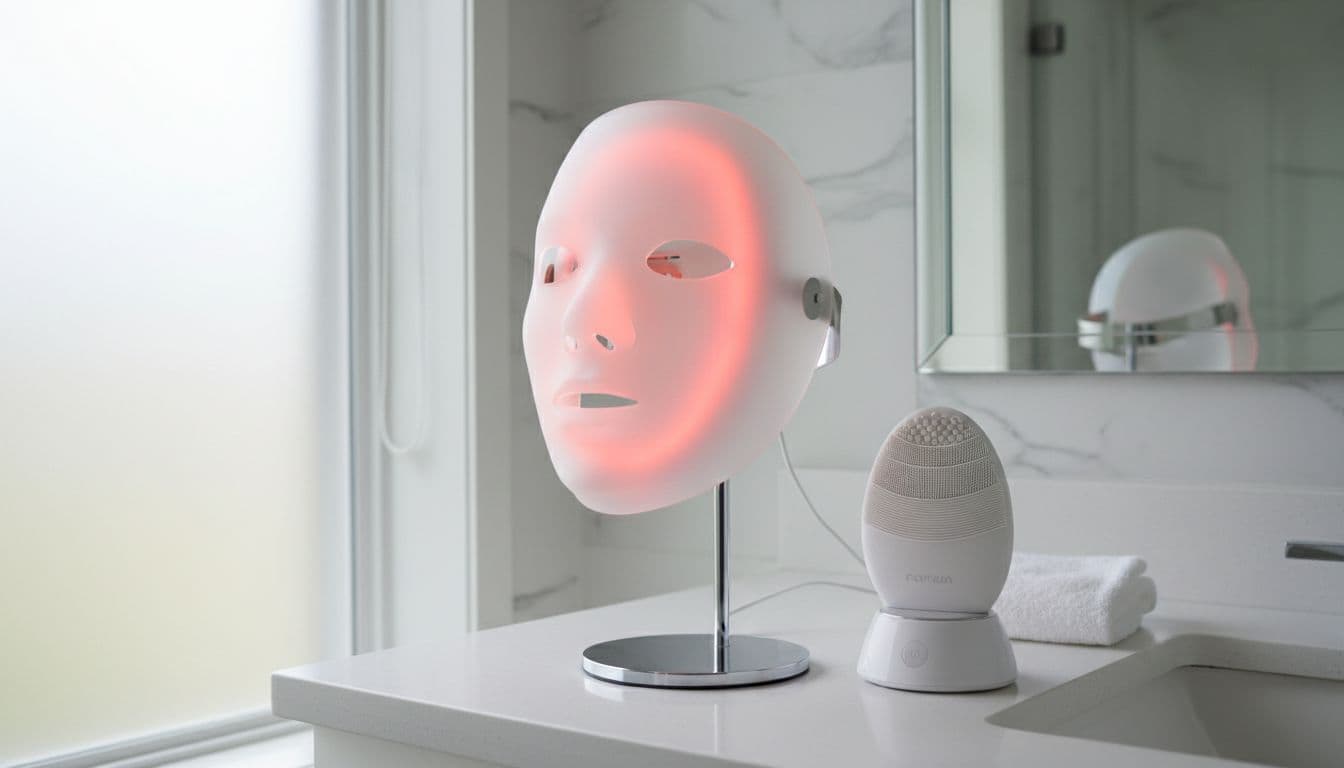
All-in-one facial systems are also getting attention this year because they combine cleansing, depuffing, and hydration. They can be handy, but the higher price makes them a later purchase for most beginners.
Ultrasonic skin scrubbers and microcurrent tools belong in the “maybe later” group. They can help with buildup or temporary toning, but they ask more from the user. You need clean technique, the right gel or serum, and a gentle hand. Avoid ultrasonic tools over cystic breakouts or irritated skin.
If a tool takes longer to clean than to use, it probably won’t stay in your routine.
For most beginners, a sonic brush is the better first device. An LED mask makes sense if you’ll really use it three or four times a week.
Before you buy, look past the glossy product photos. Check how the tool cleans, whether replacement parts cost extra, and how it fits your routine. A cheap tool that traps bacteria can cost more in breakouts. On the other hand, an expensive device that lives in a drawer is still wasted money.
Battery life matters too. If you hate charging one more thing, a manual tool may suit you better. If you travel often, look for a compact case and simple charging.
These questions help narrow the field:
Skip metal extractors, harsh spinning brushes, and pore vacuums unless a pro has shown you how to use them. In short, the best skin care tools for beginners are the ones that feel boring in the best way: easy, clean, safe, and realistic. Start small, stay consistent, and let your routine grow only when your skin asks for it.







Leave a comment