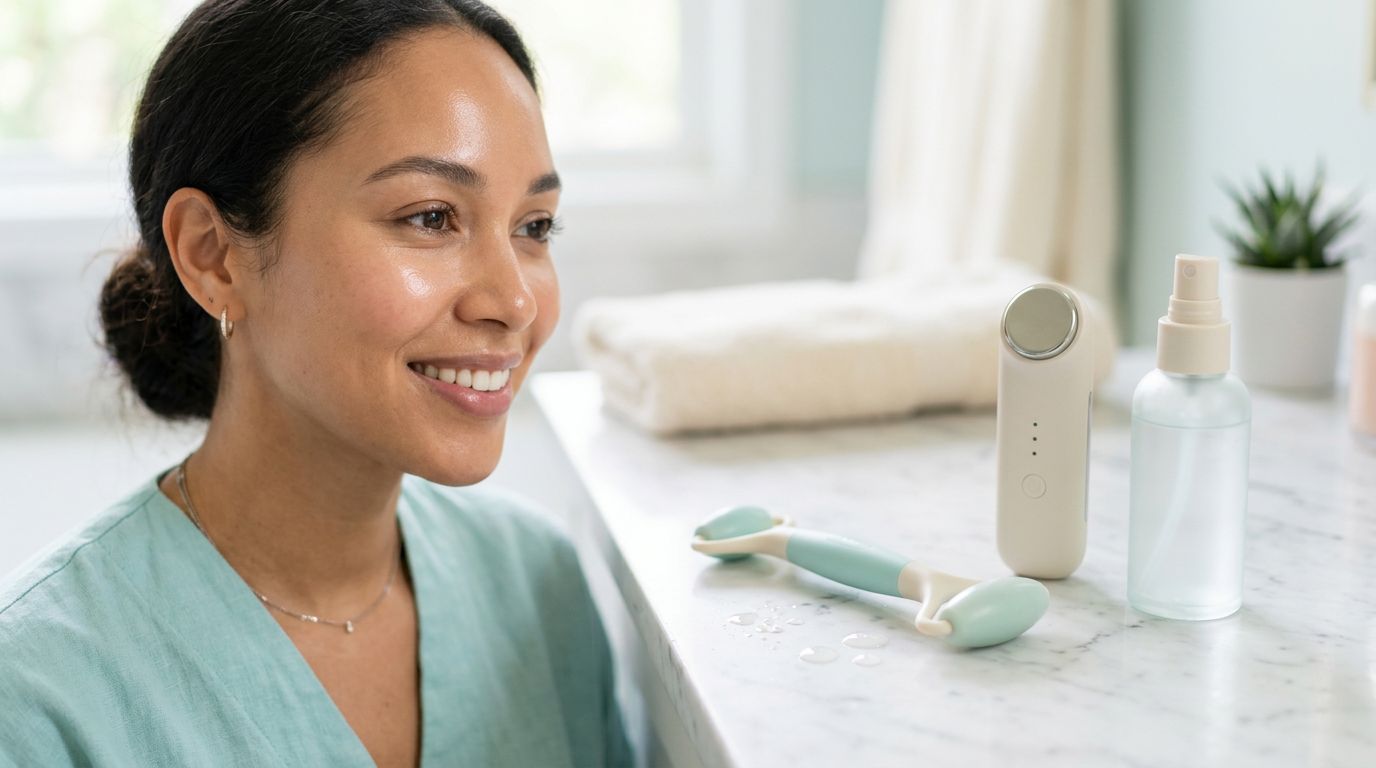
Why does your face look shiny and still feel tight, especially with sensitive skin? That mix often points to dehydrated skin, not dry skin.
When skin lacks water, harsh devices can make it feel worse fast. The best skin care tools for dehydrated skin in 2026 are gentle, low-friction, and designed to work alongside ingredients like hyaluronic acid to boost moisture. Start with the difference that matters most.
Dry skin and dehydrated skin aren’t the same. Dry skin is a skin type that produces less oil. Dehydrated skin is a condition, which means oily skin, combo, and acne-prone skin can have it too. Oily skin types often mistake dehydrated skin for excess grease. Tightness after cleansing, dullness, and fine lines that look sharper later in the day when the skin barrier is compromised are common clues. Environmental stressors and over-exfoliation can damage the skin barrier, leading to dehydrated skin.
If you want a simple breakdown, this guide on dry vs. dehydrated skin explains why the fix changes when water is the problem.
That difference matters when you buy a tool. Dehydrated skin usually does better with devices that reduce drag, help humectant serums spread evenly, and lower the chance of extra transepidermal water loss. These humectant serums often contain glycerin and hyaluronic acid to provide the necessary glide for devices. In plain terms, think gentle massage, cooling contact, or low-intensity current used with plenty of slip. Think twice about hot steam, rough cleansing brushes, and strong suction if your skin barrier already feels touchy.
If a tool leaves your skin hot, squeaky, or tighter than before, it’s probably working against hydration.
A good tool won’t replace cleanser, serum, and moisturizer. Still, it can make those basics work better, especially for dry skin. Used well, the right device may help dehydrated skin look calmer, fuller, and less tired. Used badly, it can turn a thirsty complexion into an irritated one. That’s why short sessions, mild settings, and skin barrier support matter more than flashy features.
In 2026, the strongest clinically-proven options share one trait: they treat dehydrated skin gently. Current roundups lean toward red light, microcurrent, cooling, and manual massage, not aggressive resurfacing.
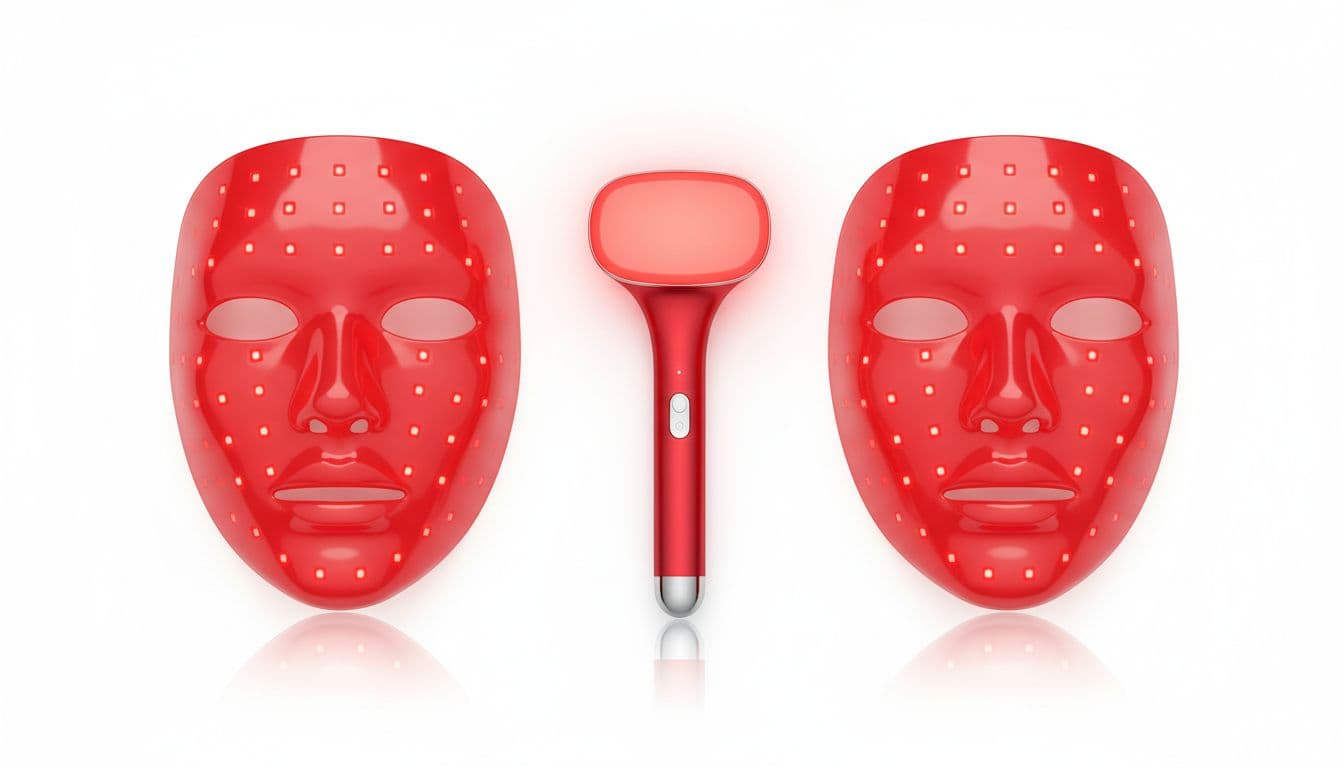
This quick comparison helps narrow the field.
| Tool type | How it may help | Best use case | Watch out for |
|---|---|---|---|
| Red light mask or wand | Low-contact treatment that may support a calmer, hydrated-looking complexion over time | Dull complexion, tight skin that dislikes friction | Higher price, results take time |
| Microcurrent device | May improve short-term firmness and support product glide with conductive gel | Flat-looking skin, mild puffiness | Never use on bare skin, requires water-based gels, follow safety notes |
| Cooling or infusion tool | Can soothe, reduce puffiness, and help hydrating serum spread evenly | Morning dehydration, post-travel skin | Avoid strong suction if skin is reactive |
| Gua sha or lymphatic brush | Gentle massage that can reduce tension and improve slip | Beginners, budget routines | Too much pressure can irritate |
Red light masks and wands are often the safest first step. Because they don’t scrub or pull, they suit dehydrated skin that already feels fragile. Popular 2026 picks include TheraFace Mask Glo and the Solawave wand. The upside is comfort and low effort. The trade-off is cost, and results usually show up slowly.
Microcurrent comes next. Devices like ZIIP HALO 2.0 and NuFACE Mini+ can give a fresher, more lifted look, which helps when dehydrated skin seems flat. However, they need a thick conductive gel. On bare skin, drag goes up and comfort drops. Following up with a hydrating serum and a rich moisturizer is essential to lock in the plumping effect. If you’re comparing models, CNET’s tested microcurrent devices offer a helpful snapshot of current options and features.
Cooling and serum-infusion tools can also be useful, especially when used over a hydrating face mask for a plumping effect. They tend to give the fastest cosmetic payoff, especially before makeup or after a flight, sealed with a moisturizer. Still, be careful with any device that also uses suction. If your barrier is compromised, that extra pull may be too much.
The best buy is the one you’ll use gently and consistently on dehydrated skin. Before you spend more, check a few practical details:
For a broader look at what’s on shelves now, Ulta’s 2026 device guide is useful for comparing simple manual tools with higher-tech devices.
Manual tools still deserve a place here. Gua sha and soft lymphatic brushes won’t add water by themselves, but they can help a hydrating serum or balm move across dehydrated skin with less tugging. They’re also easier on the budget, and they suit beginners well.
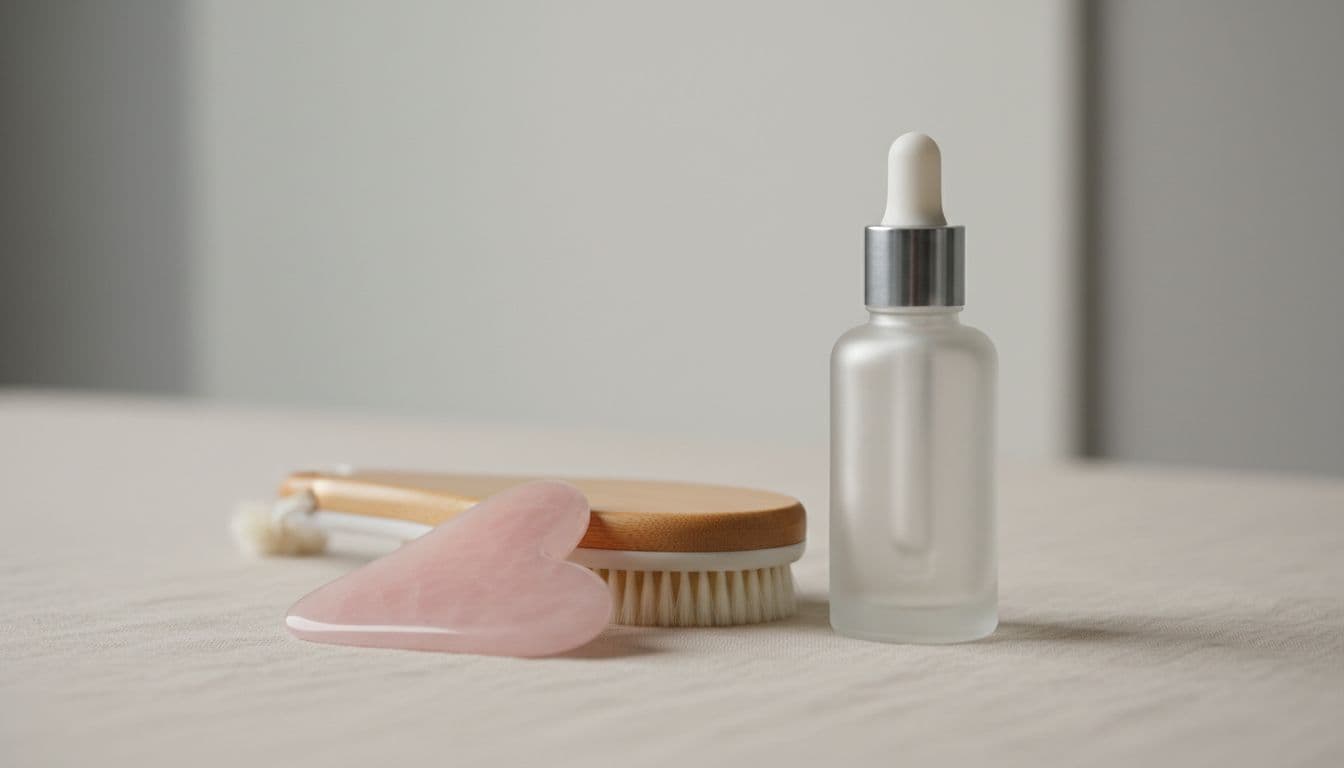
For dehydrated skin, incorporate hydration layering with the 7 skin method using a hydrating mist before manual tools like gua sha. Use manual tools with a lot of slip, keep pressure light, and stop if your face stays red. Clean every tool after use, and don’t share devices if they touch damp skin. That simple habit matters as much as the device itself.
A safe routine is boring on purpose. Start with a gentle cleanser, apply a humectant serum with hyaluronic acid, use your tool for a short session, then seal it in with moisturizer. If your skin feels calmer and looks less crepey after two weeks, keep going. If it stings more, scale back and return to a gentle cleanser.
Tight, shiny, tired skin usually doesn’t need a harder treatment. It needs a water-first approach and tools that respect the barrier, along with barrier repair from humectants and moisturizer.
Pick one category, use it two or three times a week, and judge it by comfort before glow. When your skin feels softer after the routine, not stripped by it and supported by moisturizer with hyaluronic acid, you’ve found the right tool.







Leave a comment