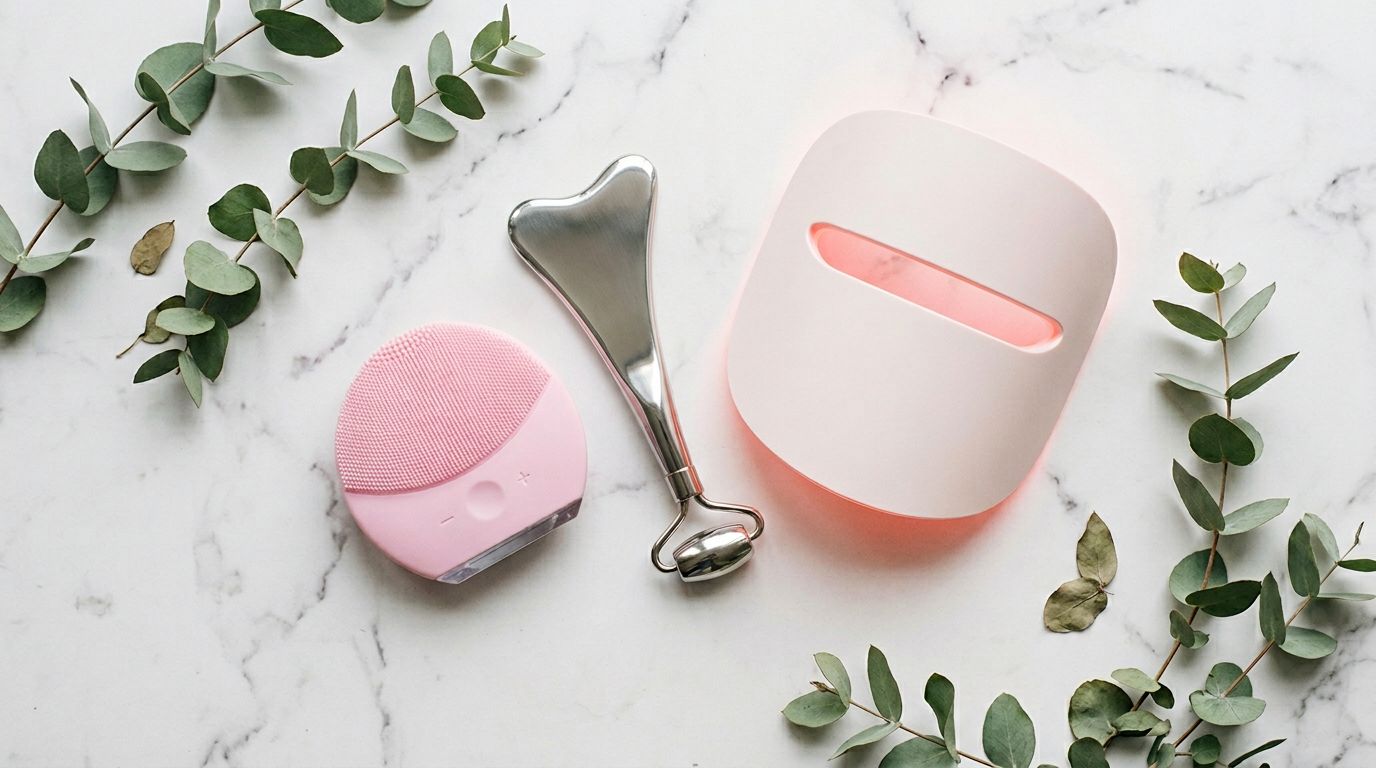
If your skin flushes, stings, or gets angry fast, the wrong tool in your skincare routine can feel like sandpaper. The good news is that sensitive skin care tools have improved in 2026, and the best ones now focus on low friction, simple cleaning, and gentle settings.
That means you don’t need the strongest device on the market. For reactive complexions, finding the right skincare tools is essential, the ones your skin can tolerate week after week, and that’s where smart buying matters most.
Sensitive skin usually reacts to three things first, friction, heat, and poor hygiene. So the best skincare tools stay smooth, don’t tug, and clean up fast after use.
Before you buy, look for a few basics:
Gentle tools support the skin barrier without causing micro-tears, helping protect sensitive skin from unnecessary irritation.
A tool should make your skincare routine calmer, not busier. If it needs five attachments, harsh pressure, or daily use to show anything, it may not suit reactive skin.
If a device leaves lingering heat, burning, or tightness, that’s not a good sign. Sensitive skin often needs less, not more.
Redness-prone skin also benefits from tools that work with skin barrier-friendly products. Fragrance-free cleansers, plain hydrating serums, and bland gels are better partners than strong acids or gritty scrubs. The right tool even improves product absorption for fragrance-free serums.
For most people, a hygienic silicone facial cleansing brush is the safest place to start. In 2026, the Foreo Luna 4 still stands out because it uses nonabrasive silicone touchpoints and offers more than one cleansing intensity. That matters when your skin can handle a short gentle cleanse, but not a deep one.
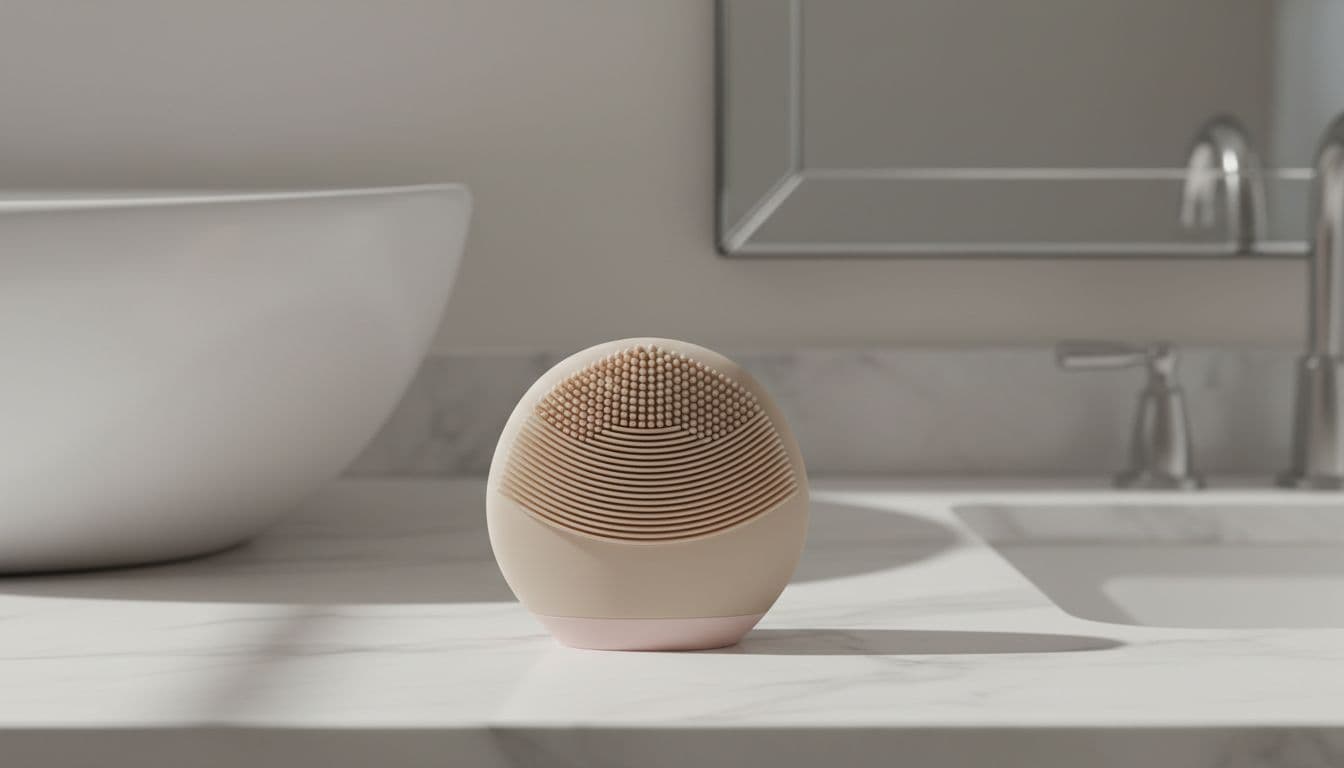
Unlike old bristle brushes, silicone is easier to rinse clean and less likely to stay damp. That’s a big plus for reactive skin, because buildup is often part of the problem. The gentle touch also delivers a light massage to reduce puffiness and improve blood flow. Still, even a gentle brush can be too much if you press hard or use it twice a day. Start with a few short sessions a week and see how your skin responds.
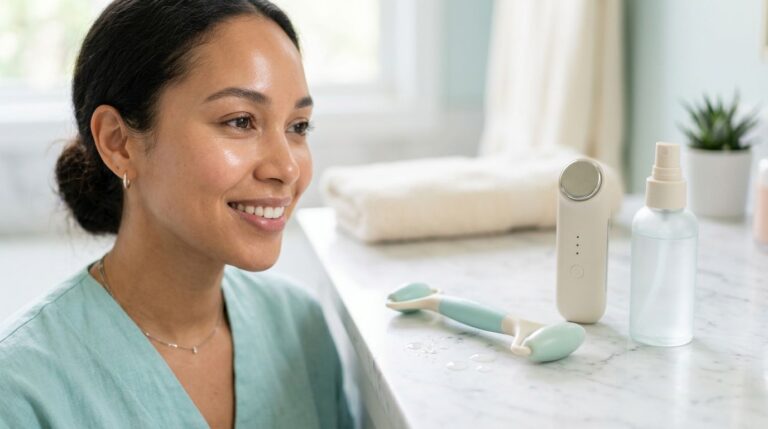
Cooling tools are another good fit, especially when redness is your main issue. A stainless steel roller facial massager, gua sha, jade roller, or chilled globe can feel soothing after cleansing, and nonporous metal is simple to disinfect. A current 2026 roundup of skincare tools shows how common these lower-risk options have become. If you want options focused on calming flare-ups, this look at cooling tools that soothe redness is a useful reference.
These tools won’t treat every skin concern, and they won’t replace good skin care. What they can do is reduce puffiness, add a light massage, and make your routine feel less harsh. For sensitive skin, that modest payoff is often the right one.
LED masks are one of the few at-home devices offering LED light therapy that can suit sensitive skin because they don’t scrub or sand the surface. These at-home devices stimulate collagen production and improve the appearance of fine lines for skin rejuvenation, all without friction. Red light options are especially popular in 2026 for people who want a low-contact treatment.
The Omnilux Contour Face Mask gets attention for its flexible shape and routine red light therapy use. The TheraFace Mask Glo is another notable pick, with a short guided session that combines red, infrared, and blue light. For some users, that’s convenient. For others, the extra features may feel like more stimulation than they want.
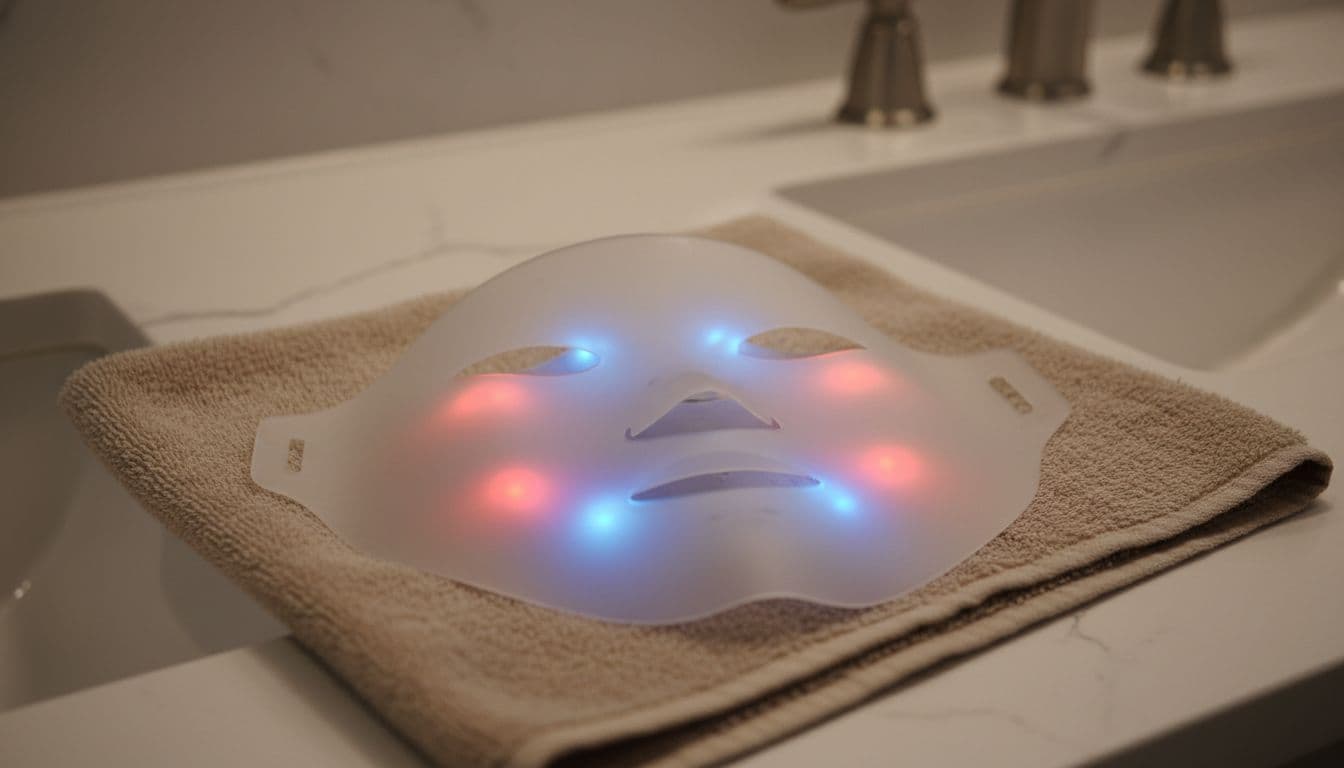
LED light therapy masks may work for sensitive skin because they avoid friction. However, they still aren’t risk-free. Heat buildup, poor fit, or using active skin care right before a session can raise the chance of redness. Keep skin clean and dry unless the brand says otherwise, wipe the mask after each use, and avoid stacking it with exfoliating acids the same night.
If you have rosacea, frequent flushing, or a damaged barrier, start slowly. One or two short sessions a week is a safer first step than daily use. Also, talk with a board-certified dermatologist before trying light-based tools if you have melasma, are using prescription topicals, or have had a recent in-office treatment.
Microcurrent devices promise facial contouring and skin tightening for a firmer look through cell regeneration, and some sensitive skin users do well with them. The catch is tolerance. These microcurrent devices rely on conductive gel and electrical stimulation, so the experience depends as much on the gel as the device itself.
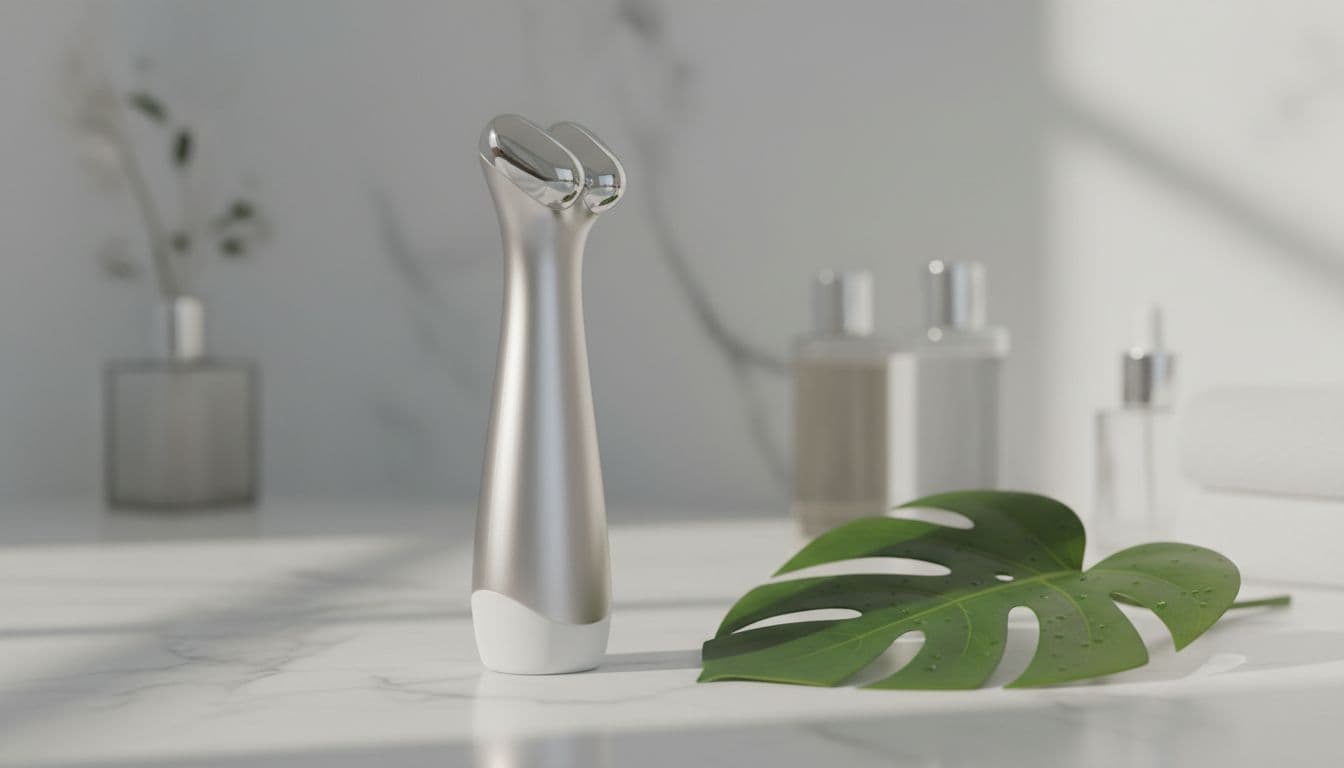
If you’re interested, choose a model with clear low-intensity settings and keep expectations measured for visible results. This roundup of microcurrent devices for sensitive skin is a decent starting point for comparison shopping. Patch test the gel on your jaw or neck first, because a device can feel fine while the product under it causes the reaction.
On the other hand, high-frequency wands aren’t usually my first recommendation for reactive or redness-prone skin, much like radio frequency devices or professional treatments that can prove too intense. They may be trendy, and Vogue’s overview of high-frequency wands shows the growing interest, but the sensation can be too stimulating if your skin already runs hot, dry, or easily inflamed. A dermaplaning device should also be used with extreme caution on sensitive skin.
Opt for soft, nonporous options like silicone or stainless steel that resist bacteria and rinse clean easily. These minimize friction and trapped residue, which can trigger reactions. Avoid bristle brushes or porous materials that harbor buildup.
Yes, many like the Omnilux Contour work well due to no-contact light therapy that avoids friction, but watch for heat buildup or poor fit. Start with short sessions 1-2 times weekly on clean, dry skin, and skip if using active topicals. Consult a dermatologist if you have rosacea or melasma.
Start with one tool at low frequency—once or twice a week—and monitor for burning, redness, or tightness. Clean after every use, pair with fragrance-free products, and pause during active irritation or after peels. Less is often more for reactive skin.
They can offer gentle toning for some, but success depends on tolerable conductive gels—patch-test first on your jawline. Choose models with clear low settings and avoid if your skin runs hot or inflamed. They’re not the best starter compared to silicone or cooling tools.
Skip during flares, raw barrier phases, after chemical peels, or with active rosacea/redness; also avoid steamers or intense devices. If tools consistently irritate despite gentle use, prioritize basic care and see a board-certified dermatologist before buying more.
A gentle device can still go wrong if your skincare routine is too aggressive. Use a few simple rules.
That last point matters most. Sensitive skin often whispers before it shouts.
Your best skincare tools in 2026 are the ones that stay gentle enough to use consistently. For many people, that means a soft silicone cleanser, a cooling stainless steel tool, or a low-stimulation LED mask, while stronger options stay on the maybe list.
If your skin reacts to nearly everything, bring a board-certified dermatologist into the decision before you buy. A calm face is better than a crowded vanity.








Leave a comment