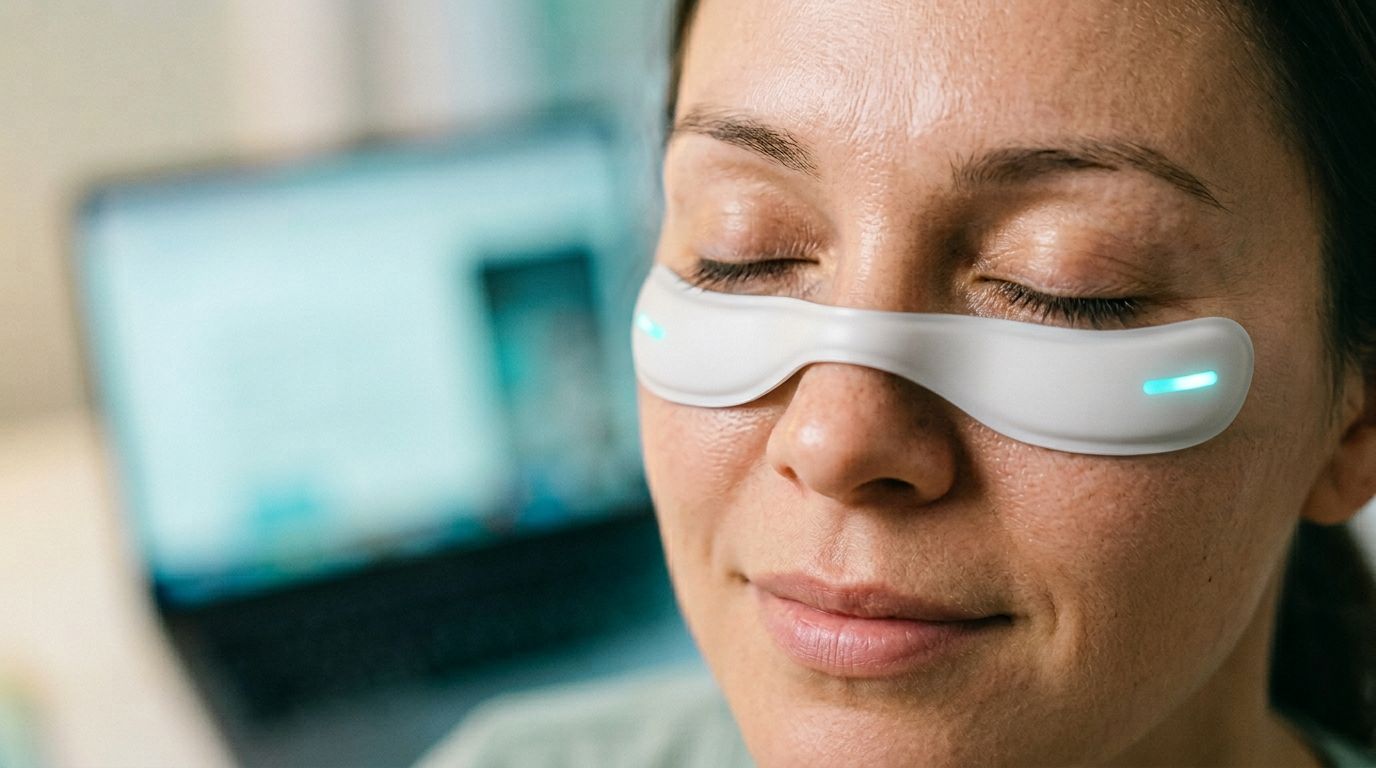
If your under-eyes look tired even after a full night’s sleep, you’re not alone. Dark circles can come from shadows, puffiness, or skin tone changes. At the same time, long hours of screen time and blue light exposure can lead to digital eye strain, leaving your eyes feeling tight, with dry eyes, and “wired.”
A good eye massager won’t erase every cause of eye strain, but it can make your eyes look more rested and feel less tense. This guide breaks down what actually helps, how to shop in 2026, and which devices stand out for daily home use.
Dark circles aren’t one single problem, so no device works the same for everyone. If yours look bluish or purple, that often comes from visible blood vessels or thin skin. If they look brown, pigment may be the bigger factor. If they look like a “dip,” that’s usually shadowing from facial structure. Puffiness adds another layer by casting its own shadow.
That’s where an eye massager can help in a practical way. Gentle warmth through thermotherapy may make the area feel looser and can support a fresher look by encouraging circulation. Cooling can calm morning puffiness fast, like an ice pack but less messy. Compression and vibration promote lymphatic drainage to reduce puffy eyes and can feel great after a long workday, especially if your forehead and brow muscles stay tense, which often contributes to headaches or migraines along with eye strain.
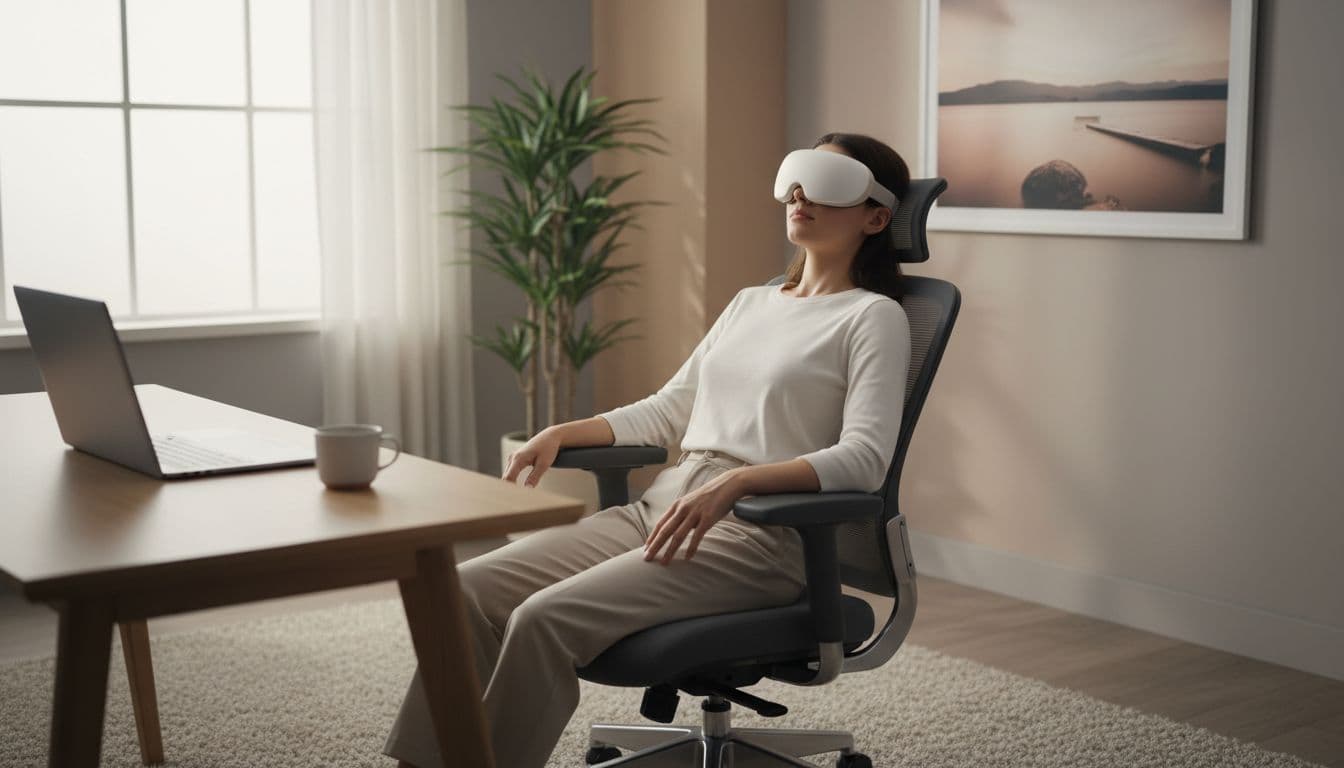
Still, it helps to set the right expectations. An eye massager can’t replace sleep, sunscreen, allergy care, or prescription treatments. It also can’t “fix” structural hollows. Think of it more like a quick reset button, similar to stretching stiff shoulders. It won’t change your bone structure, but it can make you look and feel better.
If dark circles show up suddenly, worsen quickly, or come with pain or vision changes, talk to an eye-care professional. Skip eye devices after recent eye surgery unless your doctor okays it.
For broader context on how different devices work and what people like about them, see Allure’s roundup of best eye massagers.
To keep picks fair, each device below uses the same scorecard. The goal is real daily use, not marketing claims. Scores are out of 5 in each category, then rolled into one overall score out of 10.
Here’s the rubric used for every pick:
| Category | What it measures |
|---|---|
| Comfort and fit | Intelligent air pressure, acupressure, padding, nose space, ease on sensitive eyes |
| Dark circles support | Cooling or warming usefulness for puffiness and tired look |
| Eye strain relief | How well it provides relaxation for brow and eye-area tension |
| Controls and upkeep | Simple modes, easy cleaning, travel friendliness |
| Value | Performance relative to typical 2026 price, durability, and vibration |
A quick shopping tip: choose your main need first. If you want to look less puffy in the morning, prioritize cooling. If you want to feel less screen fatigue at night, heat plus compression usually wins.
KentDO’s wand style with cooling mode and portable design makes it easy to focus on the under-eye, crow’s-feet area, and brow bone without covering your whole face. It’s also easier to use while sitting upright, which matters if you hate bulky masks.
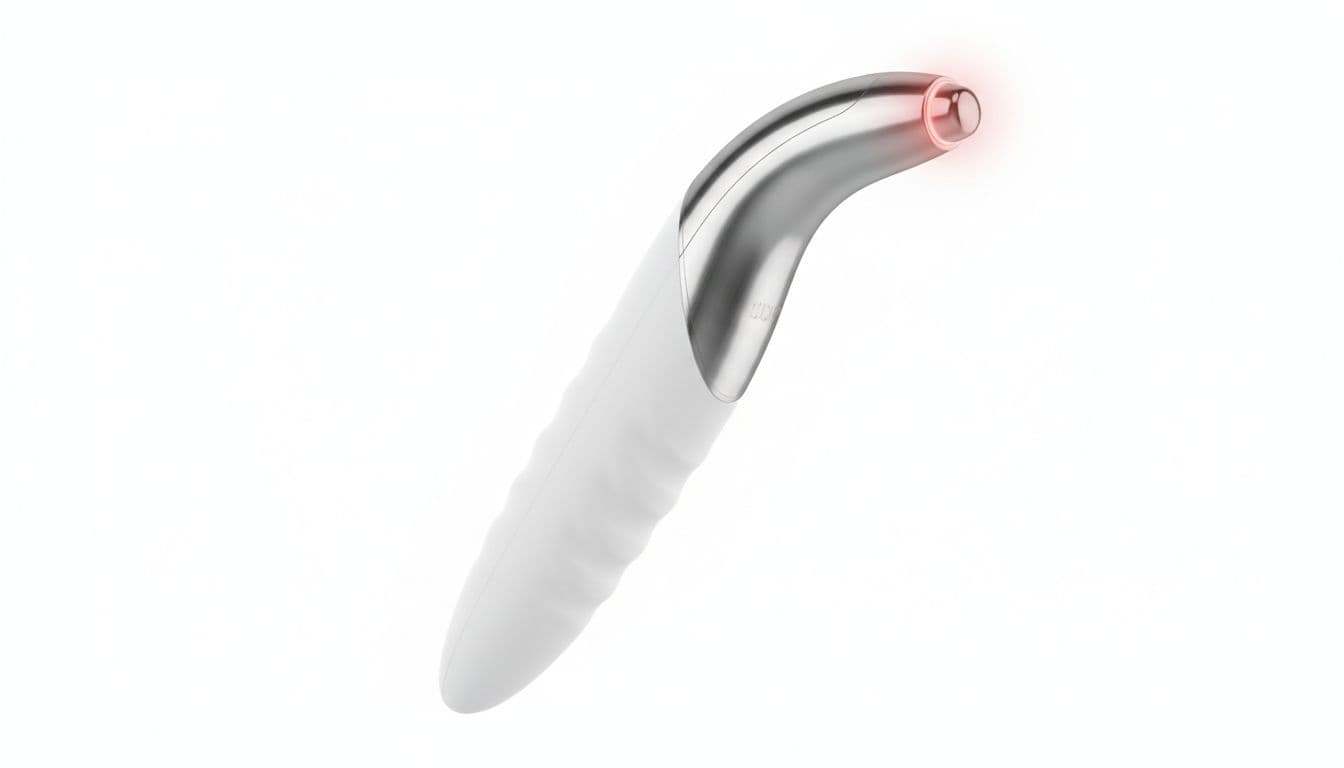
Typical March 2026 pricing lands around $50 to $80, depending on sales and bundles.
Pros: precise placement, quick sessions, easy to pack. Cons: less “spa” feeling than full masks, you have to guide it by hand.
Ideal for: morning puffiness, makeup prep, anyone who wants control over pressure.
Scorecard: Comfort 4.5/5, Dark circle support 4.5/5, Eye strain relief 3.5/5, Controls 4/5, Value 4/5. Overall: 8.6/10.
RENPHO’s vibrating eye mask is a go-to because it hits the basics well: heat, compression, and simple modes, plus USB charging, foldable design, and Bluetooth music. It’s the kind of device you’ll actually use after a long day because it does the work for you.
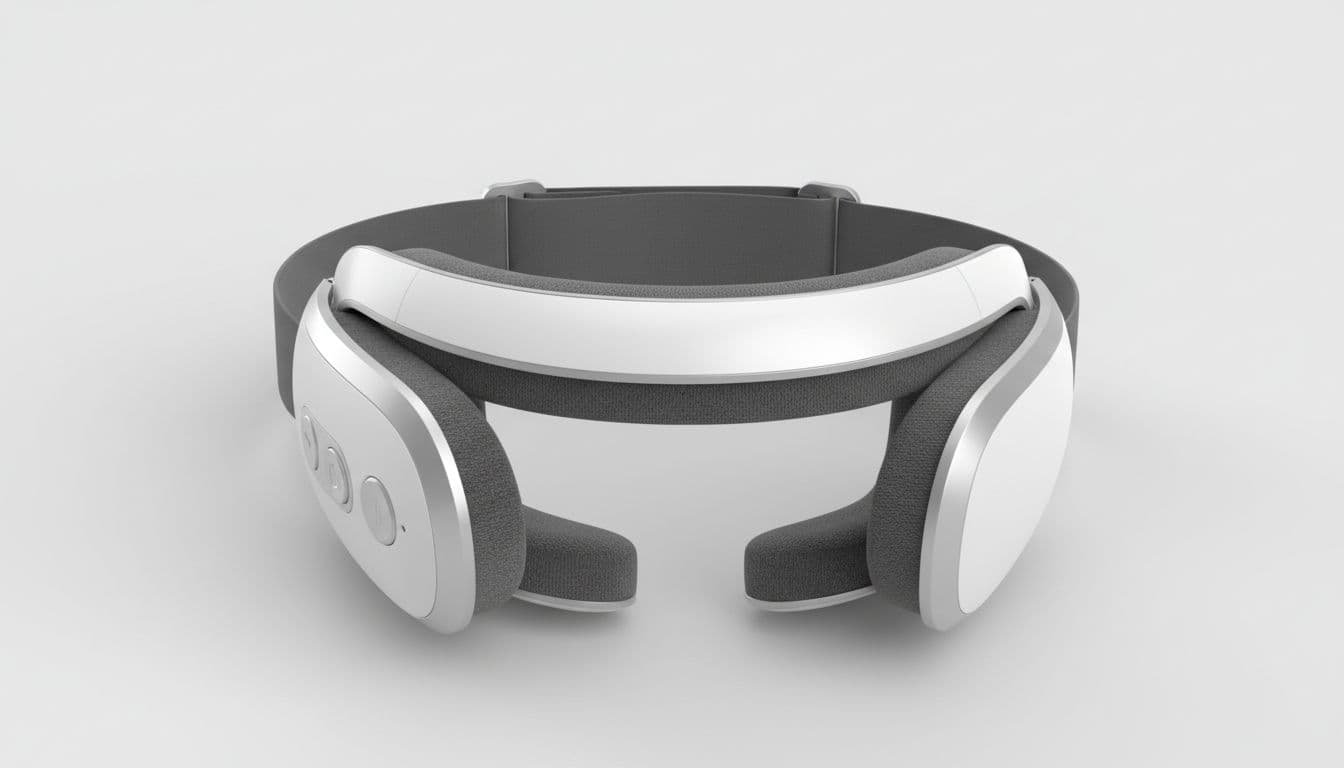
In 2026 it’s commonly $40 to $70, often discounted.
Pros: strong relaxation effect, good heat range, easy to use in bed. Cons: bulkier for travel, fit can vary with nose bridge shape.
Ideal for: remote workers, students, gamers, and anyone who clenches their brow.
Scorecard: Comfort 4/5, Dark circle support 3.5/5, Eye strain relief 4.5/5, Controls 4/5, Value 4.5/5. Overall: 8.4/10.
If your main issue is “I look puffy in the morning,” temperature switching can be a big deal. A cool pass can calm swelling, then warmth can help the area feel relaxed before skincare.
Price often falls around $30 to $60 in 2026, with stock sometimes moving fast.
Pros: fast puffiness support, handheld control, easy to store. Cons: you have to hold it, battery can be shorter than mask-style devices.
Ideal for: morning routines, frequent flyers, and people who hate mask pressure.
Scorecard: Comfort 4.5/5, Dark circle support 4/5, Eye strain relief 3.5/5, Controls 4/5, Value 4/5. Overall: 8.2/10.
FOREO’s IRIS line focuses on a tapping-style massage that addresses eye bags and accommodates skin sensitivity, meant to mimic a light finger technique. It’s not about squeezing your face, it’s about a consistent, gentle rhythm.
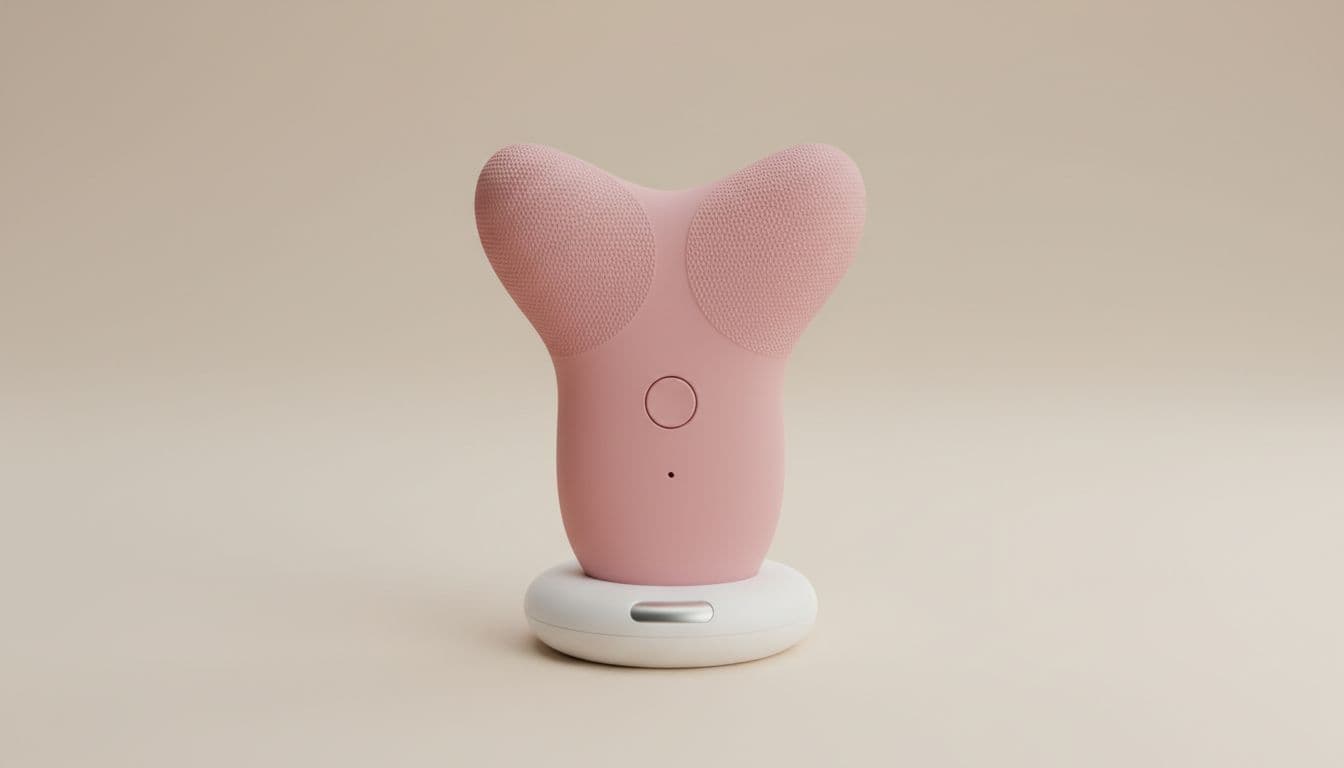
It’s usually $100 to $150 in 2026, so it’s a premium pick. You can see the current lineup on the FOREO IRIS collection page.
Pros: very gentle, hygienic silicone, great with eye cream. Cons: expensive, less help for deep end-of-day eye strain than heated masks.
Ideal for: sensitive users, skincare-focused routines, and puffiness from fluid retention.
Scorecard: Comfort 4.5/5, Dark circle support 3.5/5, Eye strain relief 3.5/5, Controls 4.5/5, Value 3/5. Overall: 7.8/10.
If you like a short routine, multi-mode devices can be appealing. INIA’s device gets attention for combining several approaches including temple massage in quick sessions, which may help consistency for busy schedules. For a brand overview and other device ideas, browse INIA’s guide to best eye skincare devices.
In 2026, expect $100+ depending on version and promos.
Pros: feature-rich, time-efficient sessions, good “routine builder.” Cons: higher cost, more modes than some people need.
Ideal for: skincare fans who want one tool for puffiness plus tired-looking eyes.
Scorecard: Comfort 4/5, Dark circle support 4/5, Eye strain relief 4/5, Controls 3.5/5, Value 3.5/5. Overall: 8.0/10.
If you want to cross-check what’s trending across many models, this comparison-style list can help: eye massagers for dark circles rankings. For another LED-focused option, see the product details for the Eyviola eye massager.
Use your device on clean skin, then add eye cream if the brand suggests it. Keep sessions short at first. Five minutes is plenty while you learn how your skin reacts. If a device offers heat, start low, especially if you have skin sensitivity. Avoid higher heat levels to prevent irritation. Warmth should feel soothing, not hot.
Timing matters too. Cooling works best in the morning for puffiness. Heat and compression, including a warm compress setting, feel better at night when your brow is tight from screens. Consistent use at night can improve sleep quality by reducing tension before bed. Also, don’t press directly on your eyeball. Stay on the orbital bone area unless the device is designed for lids.
Finally, stop if you feel pain, dizziness, or a headache spike. If you have glaucoma, recent eye procedures, or dry eyes, check with an eye-care professional before using any compression device.
The best eye massager in 2026 depends on your main goal. Pick a mask like RENPHO for eye strain relief, or a wand like KentDO for targeted dark-circle support. If puffiness drives your dark circles, add cooling to the mix. These devices also assist with dry eyes and eye strain caused by excessive screen time, delivering relaxation as the ultimate benefit of a quality eye massager. Whichever you choose, use it consistently, keep the pressure gentle, and treat it like a comfort tool, not a cure.








Leave a comment