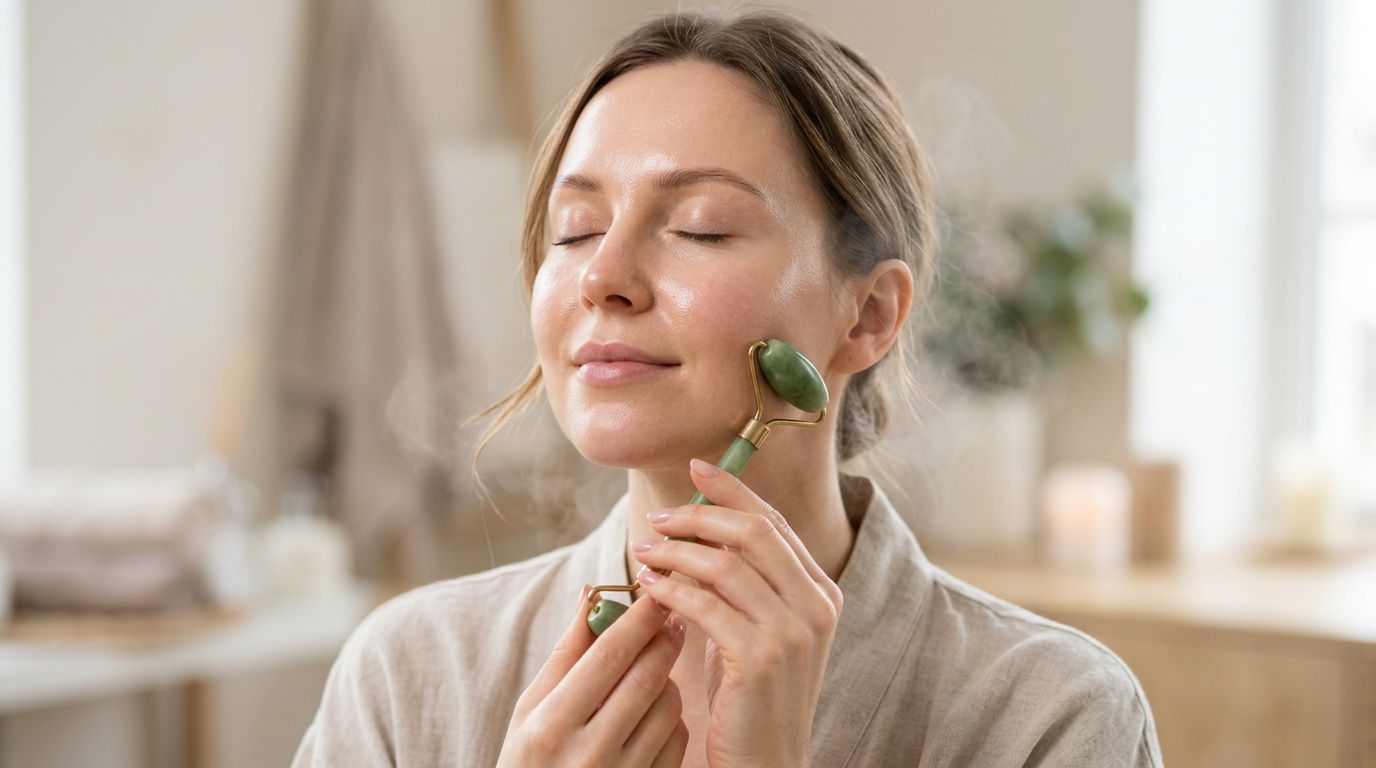
Waking up with puffy cheeks can feel like your face is wearing a waterlogged sweater. Add jaw tightness from stress, and you’ve got that heavy, “stuck” feeling that makeup can’t fix.
The good news is that facial massage rollers can help you build a simple, calming routine at home. In 2026, the best options fall into a few clear camps: classic stone rollers, sculpting 3D designs, and cooling tools for fast de-puffing. There aren’t major new roller launches from several popular brands this year, so the “best” comes down to build quality, comfort, and how you plan to use it.
A roller won’t “melt” fat or permanently change your face shape. Still, it can make a visible difference in how your skin looks and feels, especially in the morning. The best results usually come from consistent, light pressure and directional strokes that move fluid toward the sides of the face and down the neck.
Here’s what to look for when you’re buying:
Material and temperature feel Stone (jade, rose quartz) stays naturally cool and feels soothing on cheeks and under-eyes. Metal options (stainless steel, zinc alloy) often feel even cooler and can be easier to sanitize. If you love an instant wake-up effect, consider adding an ice roller to your routine, Harper’s Bazaar keeps an updated list of top ice face rollers.
Roll quality (this matters more than people think) A great roller glides quietly without tugging. If it squeaks, sticks, or wobbles, you’ll press harder to compensate, and that’s when irritation happens.
Head shape for your goal Wide, smooth heads suit cheeks and forehead. Smaller ends are better for under-eye puffiness. Meanwhile, 3D or V-shaped rollers can feel more “kneading,” which some people like for jaw tension.
How it fits into your routine Use a roller on clean skin with a bit of slip, like moisturizer, facial oil, or serum. For background on facial massage tools and why they’re used for de-puffing, see Allure’s roundup of face massager tools for depuffing.
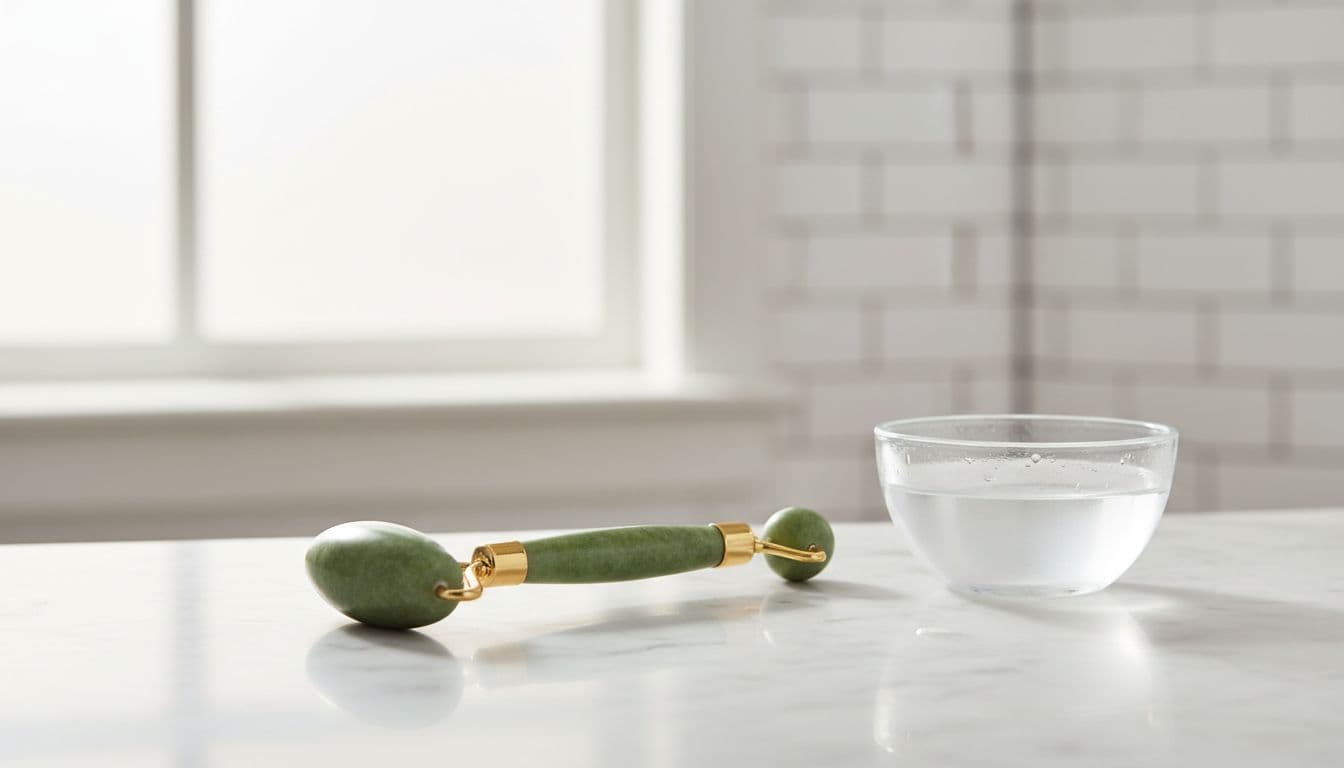
Before the details, this table helps you shortlist quickly.
| Roller | Best for | Type/material | Key feature | Price range (typical) |
|---|---|---|---|---|
| Mount Lai De-Puffing Jade Facial Roller | Daily de-puffing + gentle tension relief | Dual-ended stone roller (jade) | Smooth, classic glide | Stone rollers often fall around $8 to $30 (varies by seller) |
| BeautyBio Rose Quartz Roller | Sensitive-feeling days + under-eye cooling | Dual-ended stone roller (rose quartz) | Naturally cool, calming feel | Stone rollers often fall around $8 to $30 (varies by seller) |
| Skin Gym Face Sculptor | Jawline “work” and cheek massage | 3D/V-style roller (roller balls) | Deeper kneading sensation | Varies widely by retailer |
| Yeamon 2-in-1 Face Massager | Budget buyers who want vibration | 3D roller + vibrating T-bar | Vibration for quick pick-me-up | Under $20 (commonly listed) |
| ReFa-style platinum roller (luxury tier) | People who want a premium build | Metal multi-angle roller | Firm, sculpting-style roll | Often cited around $150 to $250 (varies by model) |
Best for: Morning puffiness, under-eye rolling (with the small end), and a simple daily habit.
Roller type/material: Dual-ended jade roller.
Key features: Traditional shape, two head sizes, and a gentle glide that works well with light pressure.
Pros and cons (quick read): Pros: easy for beginners, comfortable around cheeks and temples, good “cool” feel even without chilling. Cons: like most stone rollers, it can break if dropped, and some people dislike the very light pressure.
Who should avoid: Skip it if you press hard or tend to roll over active breakouts. Also avoid if your skin flares easily from friction, since any rolling can aggravate irritation.
Care and cleaning: After each use, wipe with a soft damp cloth, then wash with mild soap and cool water as needed. Dry fully before storing. Avoid soaking the metal hardware.
Price range: Many stone rollers sell in the $8 to $30 band depending on retailer and material claims. For an at-a-glance comparison list, ReviewersPick tracks popular options in a best face rollers guide.
Best for: De-puffing when you want a calmer, cooling sensation, especially under the eyes and across the cheeks.
Roller type/material: Dual-ended rose quartz roller.
Key features: Solid stone feel with a smooth surface that pairs well with hydrating serums.
Pros and cons: Pros: comfortable for short, daily sessions, easy to angle along cheekbones. Cons: stone can chip or crack if dropped, and it won’t give that “deep tissue” jaw release some people want.
Who should avoid: If you’re acne-prone and tempted to roll directly over inflamed bumps, choose hands-only massage instead. Rolling can spread bacteria if you aren’t strict about cleaning.
Care and cleaning: Clean like other stone tools, gentle soap, cool water, dry well. If you chill it, store it in a clean pouch in the fridge, not loose next to food.
Price range: Often in the broader stone roller range, pricing depends on the seller and stone sourcing.
Best for: Tension relief along the jaw and neck when you want more of a kneading feel than a flat roller gives.
Roller type/material: 3D/V-style roller with ball ends (material varies by model).
Key features: The shape can hug the jawline and neck, which makes it easier to “track” the contour without slipping.
Pros and cons: Pros: satisfying pressure without needing to press hard, great for jawline and neck sweeps. Cons: can feel too intense on thin under-eye skin, and it’s harder to sanitize if it has grooves.
Who should avoid: People with very reactive skin or rosacea-like flushing often do better with a smooth stone roller and very light pressure.
Care and cleaning: Wipe down after use and clean creases carefully. Let it air-dry completely so moisture doesn’t sit in seams.
Price range: Varies a lot by retailer and exact model.
Best for: Shoppers who want a tool that feels more “active” than a standard stone roller, without paying premium prices.
Roller type/material: 3D roller plus a T-shaped vibrating bar.
Key features: Vibration can feel energizing, especially for quick morning puffiness.
Pros and cons: Pros: typically under $20, two tools in one, and the vibration can help you stick with the habit. Cons: vibration isn’t for everyone, and battery devices add maintenance.
Who should avoid: Skip if vibration triggers headaches or if you’re sensitive to stimulation around the temples.
Care and cleaning: Never submerge the vibrating part. Use a soft cloth and gentle cleanser on the roller head surfaces, then wipe dry.
Price range: Commonly listed under $20.
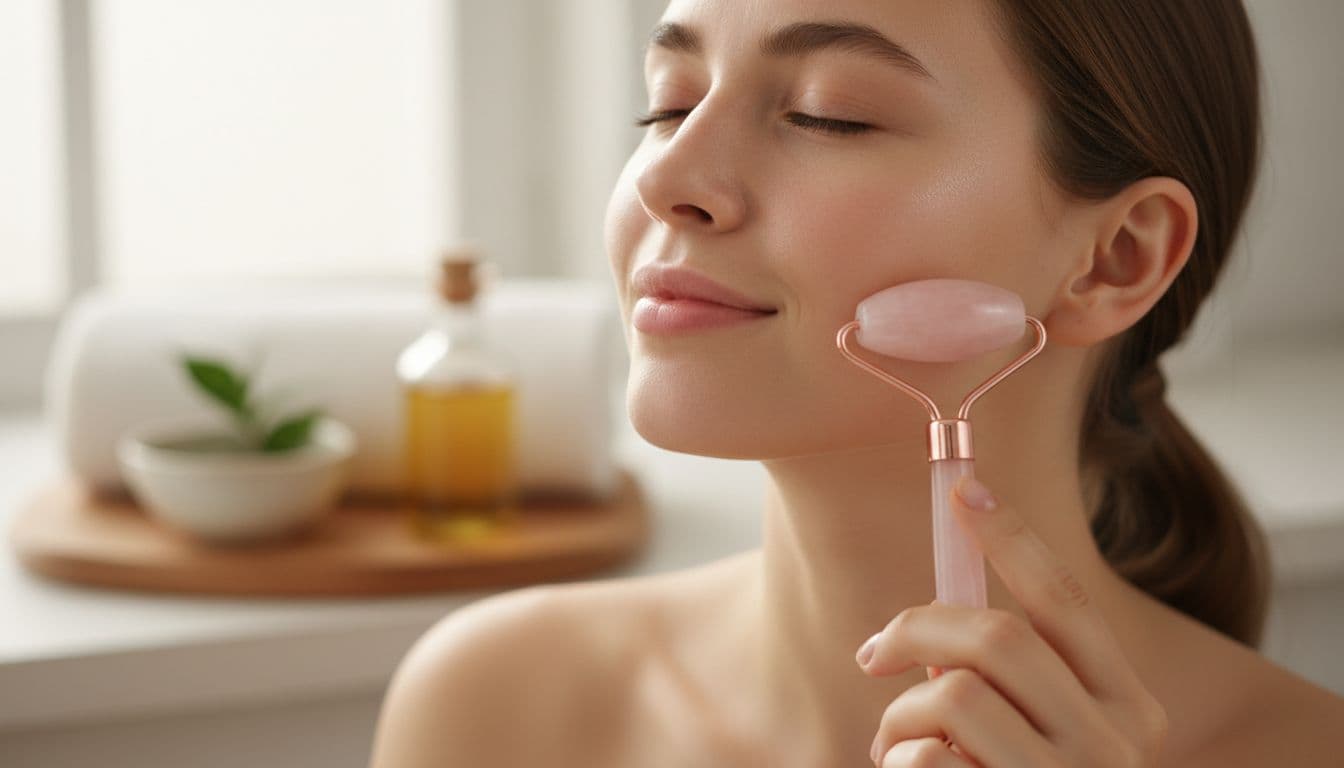
If puffiness is the “traffic jam,” direction is the detour sign. Keep pressure light and move fluid outward and down.
If you’re deciding between a roller and gua sha for tension, gua sha is often more targeted while rollers feel simpler and gentler. This comparison from Santé Clinics explains the differences in gua sha vs jade roller techniques.
A roller should never hurt. If you see redness that lingers, you’re pressing too hard or rolling too long.
This article is for general skin care and comfort. It doesn’t diagnose or treat medical conditions. If swelling is sudden, painful, or one-sided, check with a clinician.
For cleaning, use mild soap and cool water for stone heads, and wipe metal tools well. Always dry fully. A clean roller is a safer roller.
The best facial massage rollers in 2026 are the ones you’ll use gently and often. Start with a smooth stone roller for daily de-puffing, then add a 3D or cooling option if you want more jaw relief. Keep your strokes directional, keep your tool clean, and treat it like brushing your teeth, small effort, steady payoff.








Leave a comment