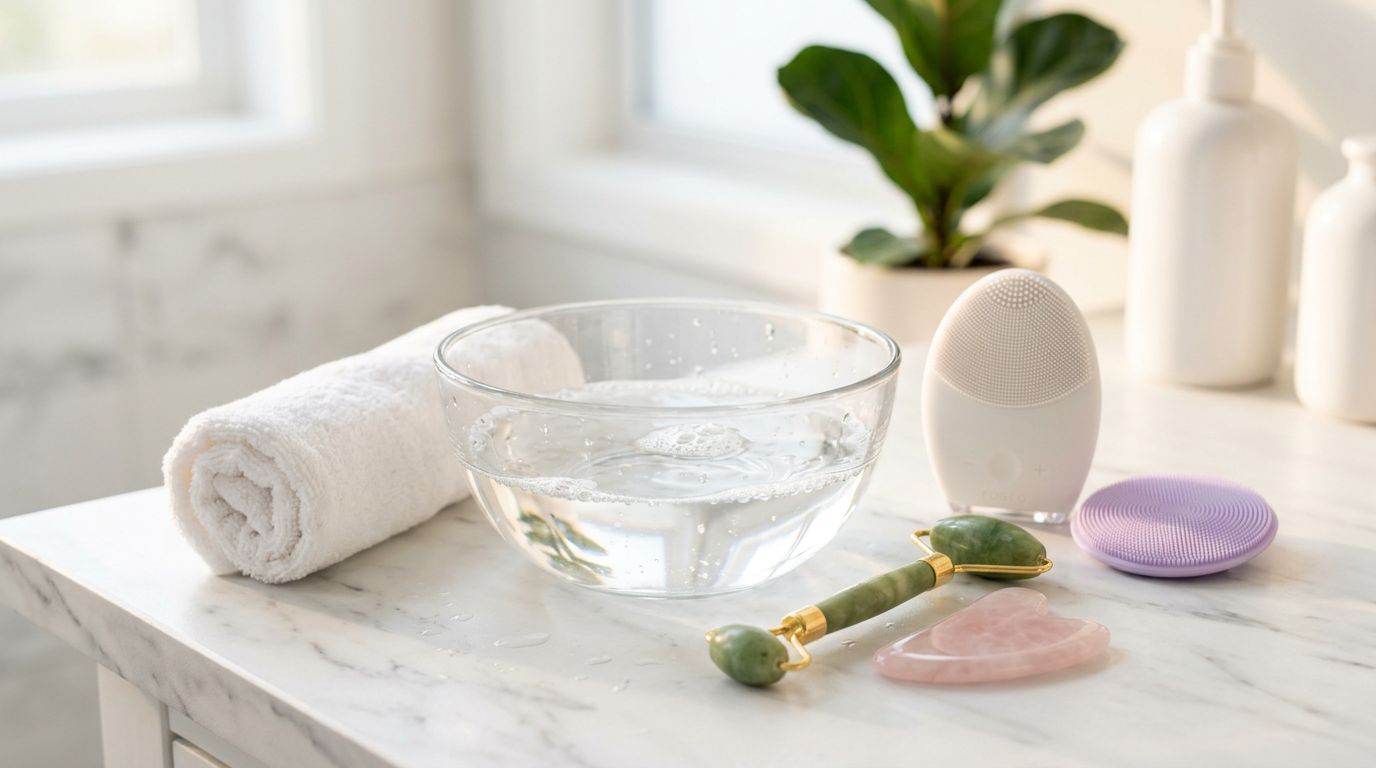
Your serum may be fresh and your cleanser may be gentle, but dirty tools can still put old oil and residue back on your skin. That’s why learning to clean skin care tools the right way matters.
Good cleaning does two jobs at once. It helps keep tools hygienic, and it protects delicate parts like stone, plating, glue, soft bristles, and charging ports. The goal isn’t to scrub harder. It’s to clean smarter, with light pressure, mild soap, and careful drying.
The safest way to clean skin care tools is usually the simplest. Set out a clean towel, wash your hands, and use lukewarm water, not hot water. Heat can loosen glue, warp plastic, and stress some finishes.
For most non-electronic tools, a mild soap works well. Think fragrance-free hand soap, baby shampoo, or a gentle brush cleanser. You don’t need bleach, strong disinfectants, acetone, or rough scrub pads. Those can dull metal, cloud stone, and break down adhesives over time.
A simple routine works for almost everything:
If a tool touches skin after cleansing, clean it often. Facial rollers and gua sha tools should get a quick wipe after every use. Tweezers and extraction tools need cleaning before and after use. Brushes, sponges, and reusable pads need regular washing because they hold onto oil and product.
If a tool has a motor, battery, or charging port, never soak it.
One more point matters: don’t confuse cleaning with full sterilization. At home, you can clean and disinfect some non-porous metal tools, but tools used on broken skin need extra care. For broader hygiene basics, this beauty tool cleaning guide gives helpful context.
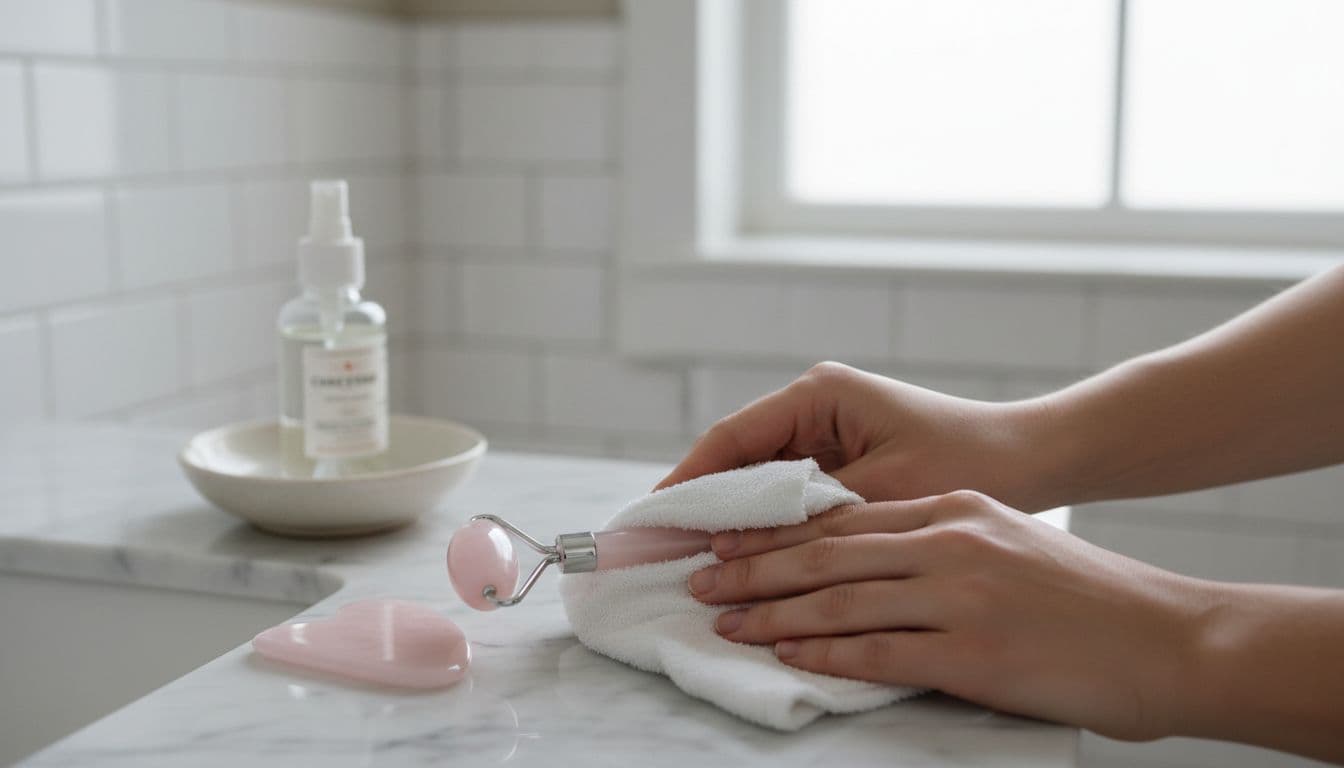
Stone tools look sturdy, but they’re often more delicate than they seem. A jade roller, for example, may have a metal frame and small adhesive points that don’t like long soaking. Instead, wipe the surface with a soft cloth dampened with lukewarm water and a drop of gentle soap. Then use a cotton swab around crevices, rinse the cloth, and wipe away any residue.
Dry these tools right away with a lint-free towel. Don’t use abrasive brushes, and don’t leave them sitting in water. If you want extra guidance for stone tools, this guide to cleaning beauty rollers and gua sha is a useful reference, and so is this walkthrough on how to clean gua sha.
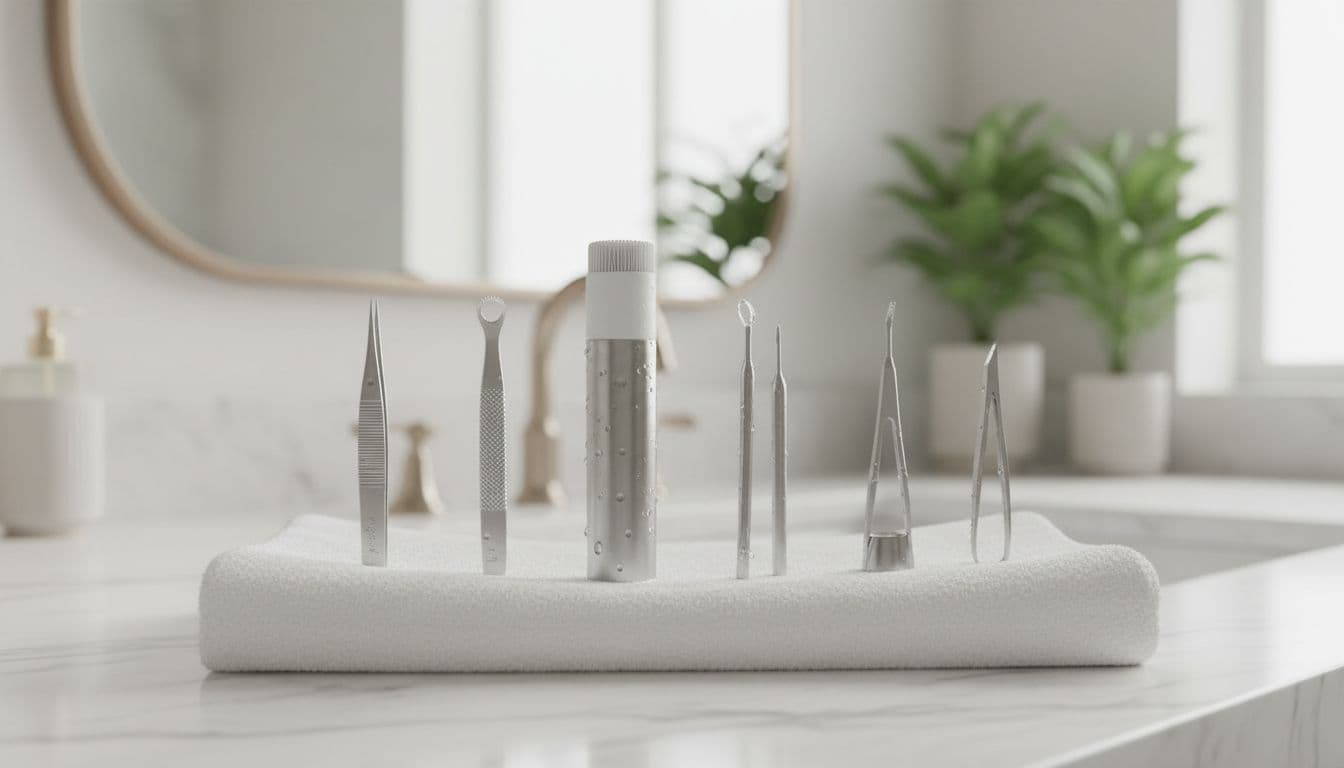
Metal tools need a different touch. Wash tweezers and comedone extractors with soap and water first, then dry them completely. After that, wipe the metal tips with 70% isopropyl alcohol if the finish allows it. Keep alcohol away from painted handles, rubber grips, or coated surfaces unless the maker says it’s safe.
Because extraction tools can irritate skin, don’t share them. Also, don’t use them on inflamed breakouts or broken skin unless you know how to handle them safely. Public health advice on cleaning reusable skin-penetration instruments shows why extra caution matters. For everyday upkeep, these tweezer care tips are also helpful.
Brushes used with masks, creams, or facial treatments need gentle washing, not a deep soak. Wet the bristles with lukewarm water while keeping the handle angled downward. That helps stop water from seeping into the ferrule, where glue holds the bristles in place. Massage in a small amount of soap, rinse until the water runs clear, then squeeze out excess water with a towel.
Lay brushes flat to dry, with the bristles hanging slightly over the edge of a counter if possible. Don’t dry them upright while wet, because water can travel into the base. Also skip hair dryers and heaters, since fast heat can dry out bristles and weaken glue.
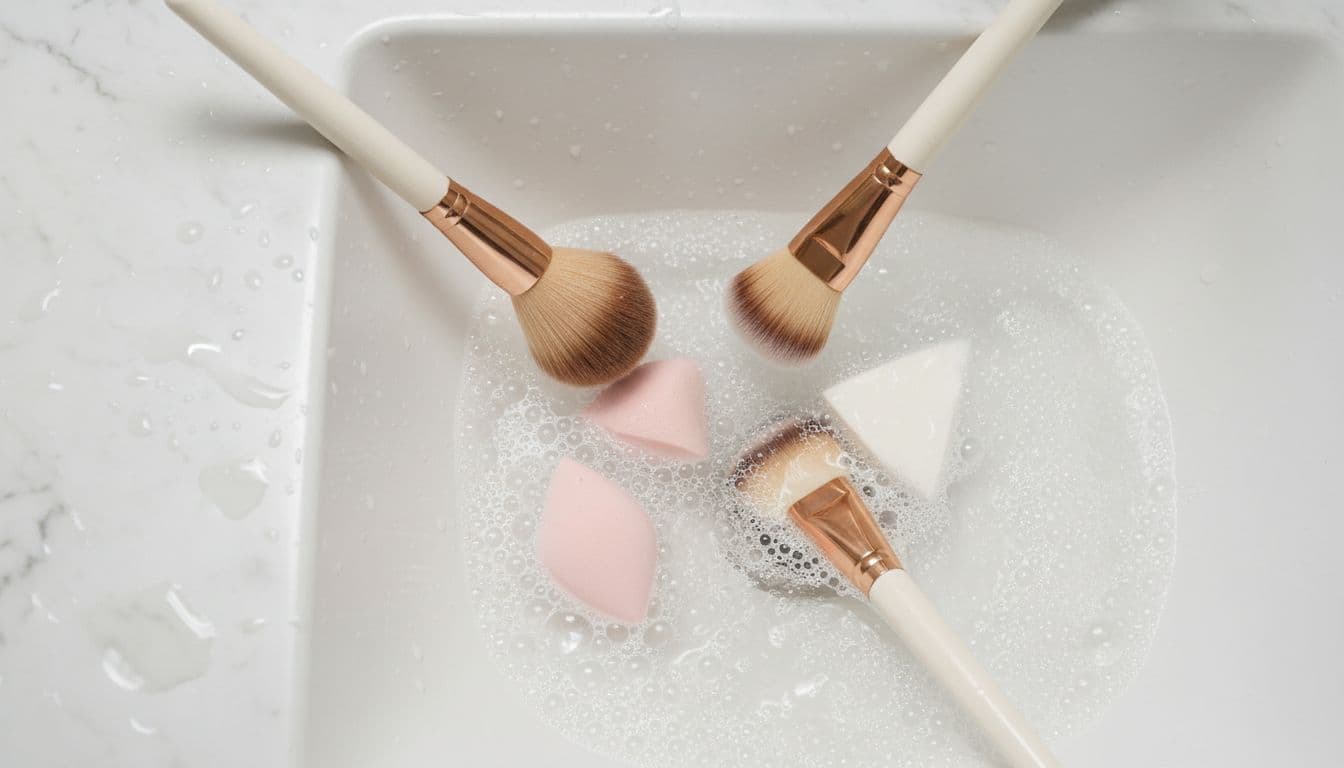
Sponges need frequent washing because they trap moisture. Soak them briefly in soapy lukewarm water, press them gently to release buildup, and rinse well. Don’t twist or wring hard, since that can tear the material. If a sponge stays stained, smells musty, or starts to split, replace it.
Reusable cotton pads are easier to manage, but they still need full drying. Hand wash them with gentle detergent, or machine wash them in a mesh bag if the care label allows it. Then dry them completely before stacking or storing. Damp fabric in a closed jar is asking for trouble.
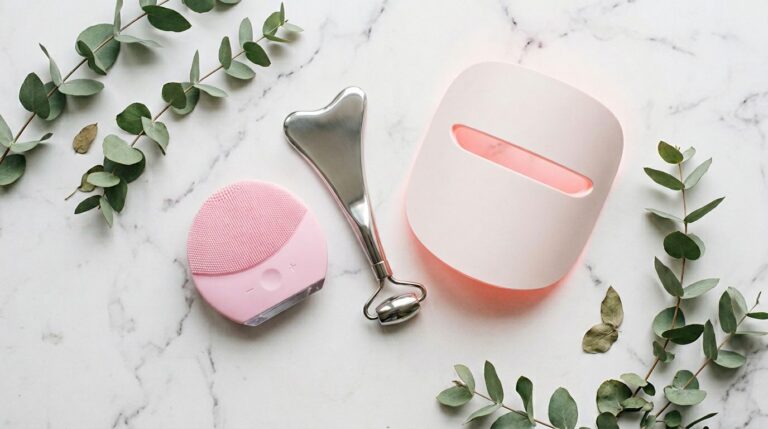
Cleansing devices take the most care. If the head detaches, remove it and wash it as directed by the brand. For waterproof silicone heads, mild soap and water usually work. For the handle, wipe with a soft damp cloth. Never submerge a device with buttons, seams, or charging contacts unless the maker says it’s fully waterproof. These device sanitizing tips can help if you use powered tools often.
After washing, give every tool room to breathe.
Store tools only when they’re fully dry. A clean drawer, covered tray, or dry pouch works well. Meanwhile, avoid steamy windowsills and damp bathroom corners. Clean tools last longer when they stay dry, protected, and out of the mess around the sink.
Keeping tools clean doesn’t have to feel like a second skin care routine. A mild soap, soft cloth, and a few extra minutes are usually enough. Treat your tools with a gentle hand, and they’ll stay cleaner, work better, and last much longer.








Leave a comment