
If your jaw feels “stuck” after a long workday, you’re not imagining it. Jaw clenching often shows up with tech neck, because the same stress and posture habits feed both.
This guide breaks down what an EMS neck massager can (and can’t) do for jaw tension and forward-head posture. You’ll get a quick comparison table, a clear testing methodology, and a simple routine that pairs EMS with posture fixes and stretches.
Medical note: This article is for education only, not medical advice. If symptoms are persistent or severe, get personalized care.
Tech neck usually starts as a small posture drift. Your head moves forward, your upper back rounds, and your shoulders creep up. Over time, the muscles that “hold your head up” work overtime, especially the sternocleidomastoid (SCM), upper traps, and suboccipitals. When those areas stay on guard, your jaw can join the party. Many people clench without noticing, especially during focused screen time or stress.
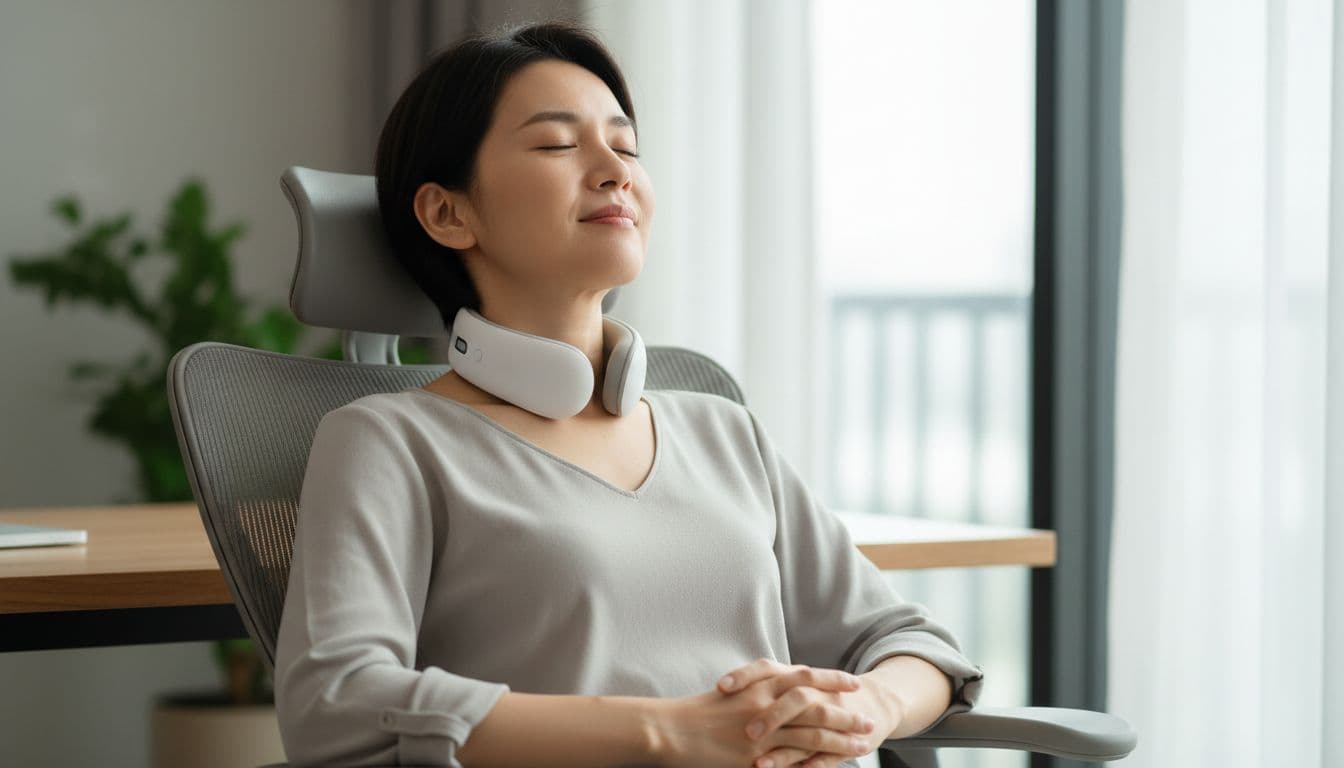
An EMS neck massager uses gentle electrical pulses to trigger tiny muscle contractions. That can help some people feel a “reset” in tight areas, similar to how a brisk walk can loosen stiff legs. EMS is different from kneading shiatsu devices, because it stimulates muscle and nerve pathways rather than pressing into tissue.
Reviews and lab-style roundups still focus heavily on non-EMS neck massagers (shiatsu, percussion, heat). For a sense of what testers look for in comfort and safety, see the 2026 neck massager testing coverage from Consumer Reports and the product testing notes from Good Housekeeping’s neck massager guide. Even if those picks are not EMS-focused, the evaluation criteria (fit, pressure comfort, heat control) carries over.
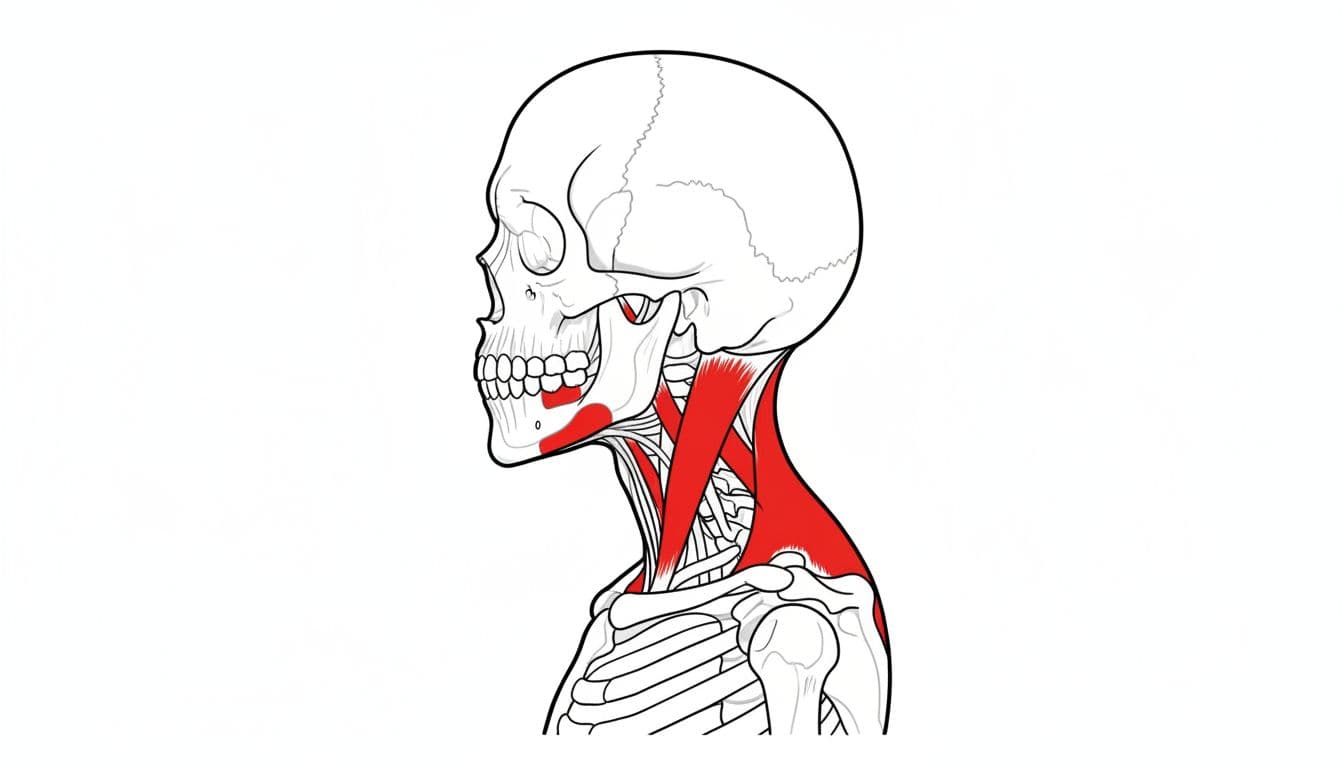
One key expectation check helps: EMS may reduce the feeling of tightness, but it won’t “fix” posture by itself. Lasting results usually come from pairing short EMS sessions with daily movement and better desk setup.
Not all “EMS neck massagers” behave the same way. In March 2026 listings, you’ll see two main formats:
Collar-style EMS devices sit around the neck and stimulate through built-in contact pads. Pad-based TENS/EMS units use adhesive electrodes, so you can place stimulation more precisely (including along the jawline or upper traps, when the manufacturer allows it).
To keep this guide practical, the selection method prioritized everyday use, not athlete-only recovery features. The goal was simple: reliable stimulation, comfortable wear, and settings that don’t feel like a science project.
Here’s what separated the best options from the frustrating ones:
If your main complaint is jaw tightness, precision usually beats power. A pad-based option often lets you target the exact area that feels “ropey,” while collar devices tend to spread stimulation across the neck.
Availability and pricing change fast, but in March 2026 these categories commonly fall into three value tiers: budget collar devices (often $20 to $35), midrange brand-name stim kits (often $40 to $80), and premium app-controlled systems (often $100 and up).
The table below summarizes the most useful choices for jaw tension plus tech neck habits.
| Pick (type) | Best for | Typical March 2026 price | What stands out | Warranty expectations |
|---|---|---|---|---|
| Portable collar-style EMS neck massager (generic) | Daily neck tightness from screens | $20 to $35 | Simple controls, easy to keep at your desk | Often 1-year limited (varies by seller) |
| Beurer-style pad-based TENS/EMS kit | Targeting jawline, SCM, upper traps | $40 to $80 | Precise electrode placement, reputable brand support | Often multi-year limited (commonly around 3 years, check model) |
| Therabody PowerDot 2.0 (wireless pods) | Stubborn knots, guided programs | $100+ | App-guided sessions, strong build quality | Often 2-year limited (confirm at checkout) |
Takeaway: collar-style devices are the easiest habit tool, while pad-based systems usually win for jaw-related placement.
This is the “keep it in a drawer” pick. It’s fast to put on, and it encourages consistency, which matters more than fancy modes. Look for a collar with multiple intensity steps and a timer, because many people overdo it early.
The downside is targeting. If your jaw is the main issue, collar stimulation may feel close but not exact. Still, for tech neck stiffness after laptop time, it can be a helpful off-switch.
A pad-based kit gives you control over placement. That matters when the tightest spot is a small band along the SCM, high traps, or near the jaw angle. Start with conservative placement and follow the device instructions carefully, especially around the neck.
For a general explainer on TENS units, safety considerations, and shopping factors, see MedicalNewsToday’s TENS unit guide. Many products combine TENS and EMS, so you may have both options in one device.
If you get quick “zaps” or sharp sensations, stop and re-seat the pads. That’s often a contact issue, not a “tough it out” moment.
If you like guided routines and consistent build quality, a premium pod system can feel less fiddly over time. App control also helps you keep intensity in a sensible range, especially when you’re tired and tempted to crank it up.
It’s also the priciest path. For many people, the extra spend only makes sense if you’ll use it several times per week.
For additional context on how comfort and usability are judged across popular neck massagers, this 2026 roundup is a useful cross-check: neck massager comfort and pain relief tests.
EMS works best as a short, repeatable routine. Think of it like brushing your teeth, not a once-a-month rescue.
Safety reminders: Don’t place electrodes across the front of the neck, and don’t use EMS on broken skin. Avoid use if you have an implanted medical device (like a pacemaker), are pregnant, or have a condition where electrical stimulation is not advised. Follow the manufacturer’s placement rules.
Pair EMS with these small moves, because they address the “why” behind tech neck:
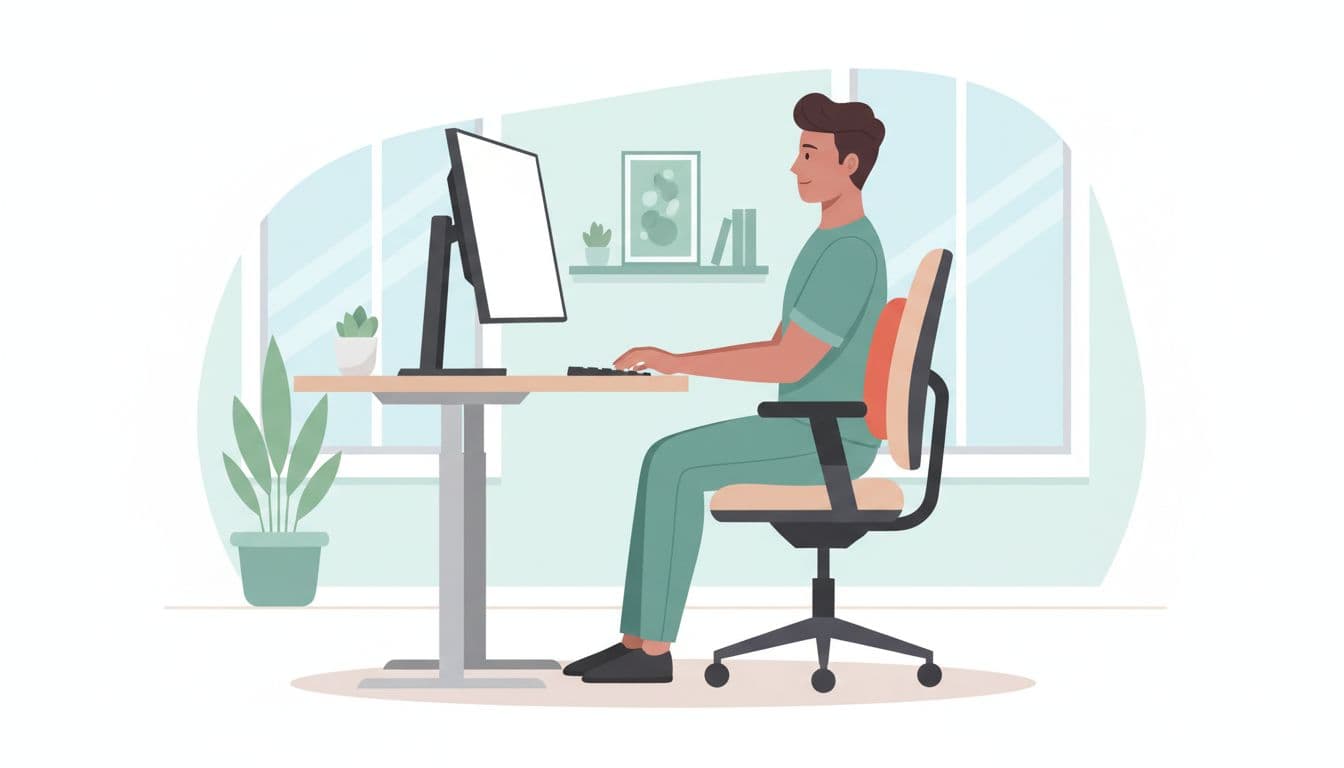
When to see a clinician: get evaluated if you have persistent TMJ pain, jaw locking, worsening headaches, dizziness, facial numbness, arm tingling, weakness, or symptoms that don’t improve after a few weeks of conservative care.
The best EMS neck massager is the one you’ll use consistently, at a comfortable intensity, with smart placement. Collar-style options suit daily tech neck maintenance, while pad-based systems usually offer better jaw-area targeting. Add two minutes of posture work, and the relief tends to last longer than any single session.








Leave a comment