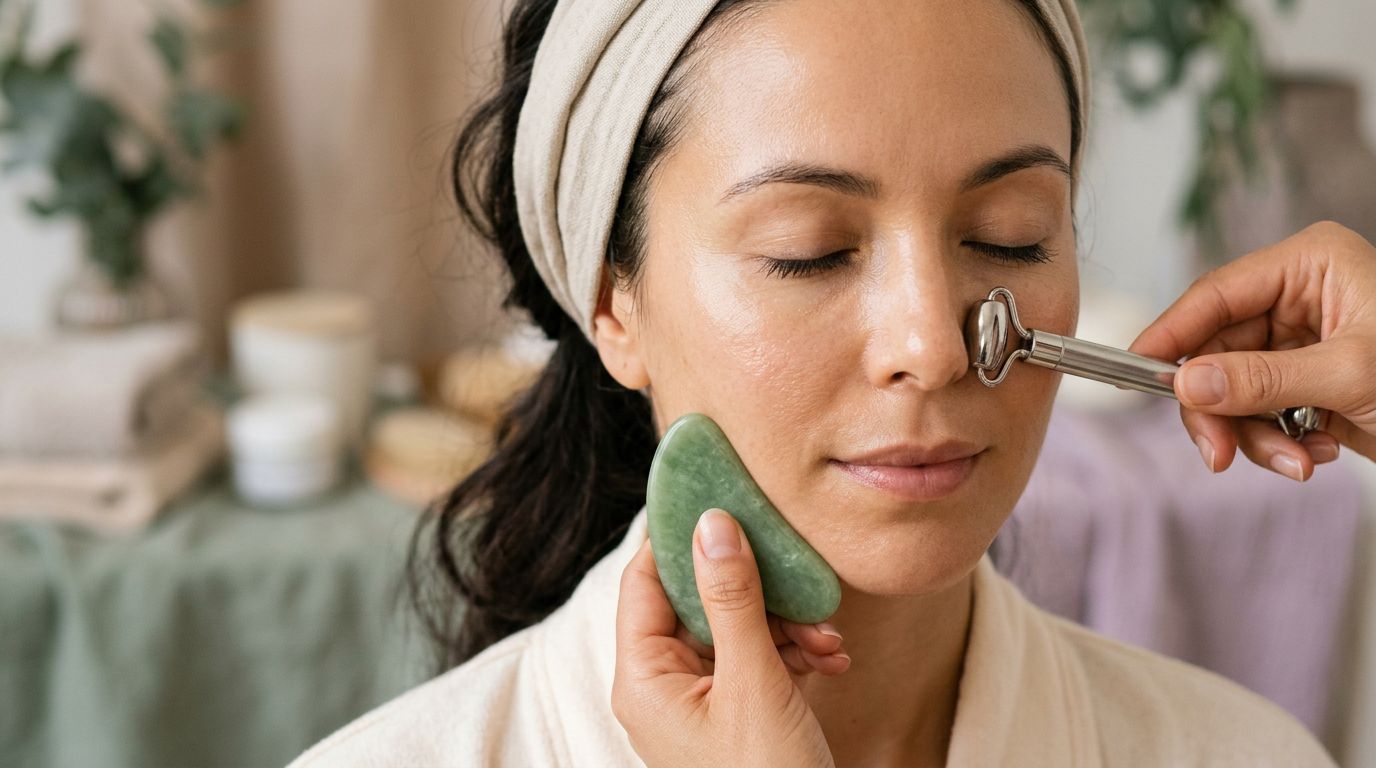
If your face looks a little swollen in the morning, you’re not alone. That leads many skincare shoppers to the same question: gua sha vs face roller, which one actually helps more with puffiness and a more sculpted look?
The short answer is simple. Both tools can help your face look less puffy and a bit more defined for a while. Still, they work differently, feel different on the skin, and suit different routines. The right pick depends on whether you want deeper massage, quick cooling, or the easiest tool for beginners.
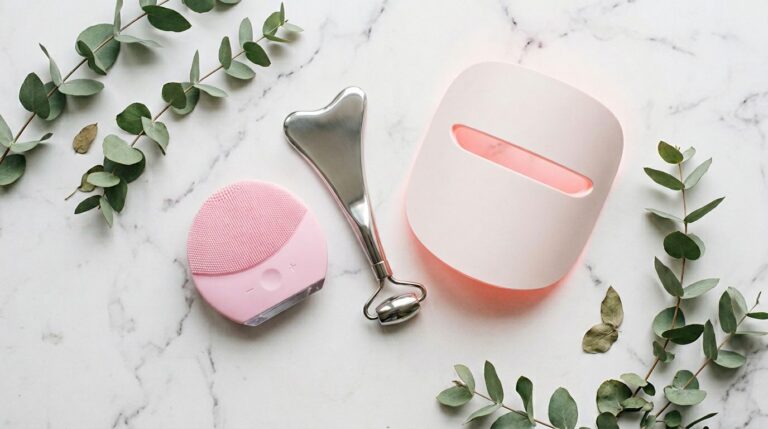
A gua sha tool is a smooth, flat stone with curved edges. You glide it over the skin with light pressure, usually after applying a facial oil or serum. Because the edges fit along the jaw, cheekbones, and brow bone, gua sha gives you more control over pressure and angle.
A face roller works like it sounds. It has one or two rolling heads that move over the skin with very little effort. That makes it simple, fast, and less intimidating for first-time users.
Facial gua sha comes from a long-used technique, and Henry Ford Health’s overview of facial gua sha explains why people often use it to support circulation, release tension, and encourage drainage. Meanwhile, a 2026 randomized controlled trial on PMC compared facial roller and gua sha massage, which shows this topic is getting serious study, even if day-to-day results still depend on technique and consistency.
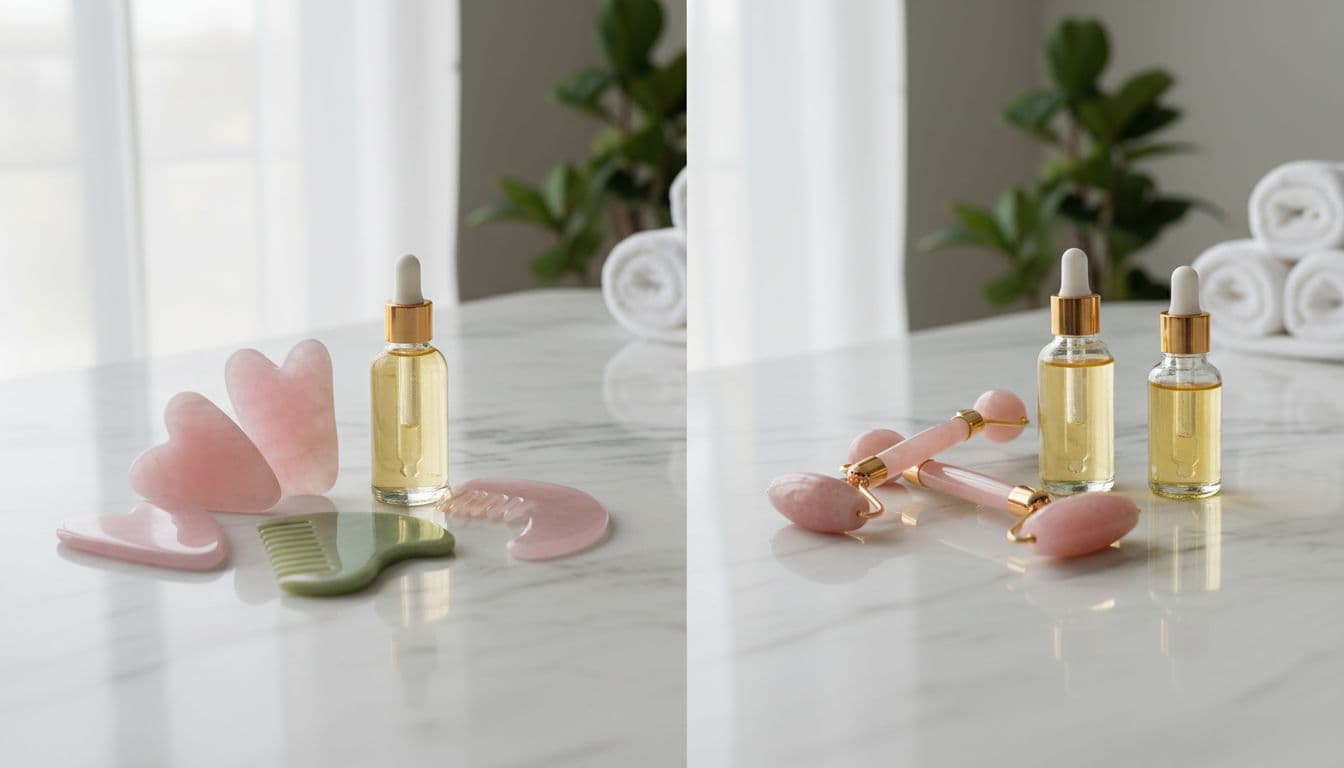
Here’s the quick side-by-side view:
| Feature | Gua Sha | Face Roller |
|---|---|---|
| Best for | Tension release, sculpting, targeted massage | Quick de-puffing, cooling, easy daily use |
| Pressure | More controlled, slightly deeper | Very gentle |
| Learning curve | Moderate | Very easy |
| Product needed | Usually yes, for slip | Helpful, but not always required |
| Under-eye use | Possible, but needs care | Often easier |
| Time needed | 3 to 5 minutes | 1 to 3 minutes |
The main takeaway is this: gua sha is more technique-driven, while a face roller is more beginner-friendly.
For puffiness, both can help by moving fluid and waking up the face. Think of them like smoothing wrinkles out of a shirt. The fabric looks neater, but you haven’t changed the shirt itself.
Gua sha usually gives a stronger sculpting effect because you can follow the natural lines of the face. The edge hugs the jawline, cheekbone, and temples, so it can also help release tight facial muscles. If you clench your jaw or carry tension in your brow, that added muscle relief can make your features look softer and more lifted.
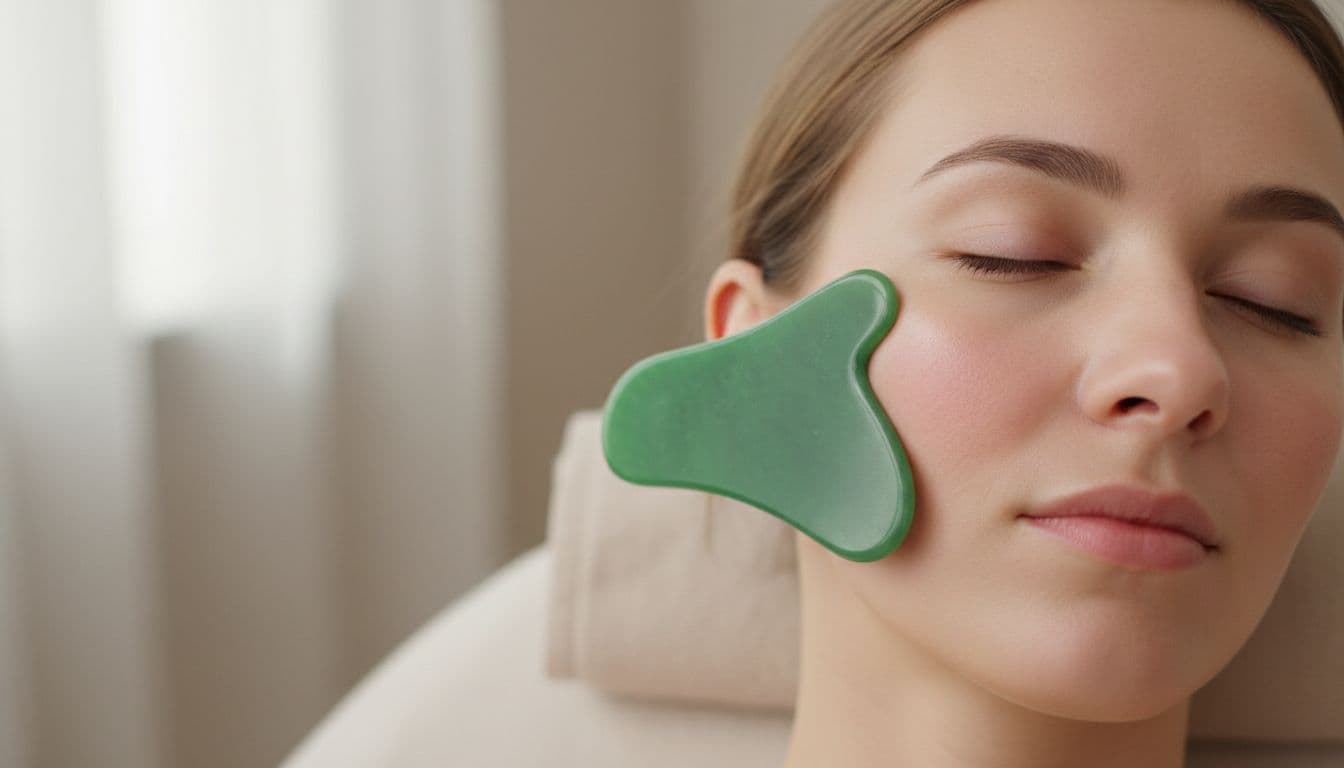
Used well, gua sha can temporarily reduce the look of morning puffiness and make cheekbones or the jaw appear more defined. However, that doesn’t mean it permanently reshapes your face. Any contouring effect comes from less fluid buildup, better muscle relaxation, and a short-term smoothing effect.
Neither tool permanently changes bone structure or facial shape.
Technique matters here. Start at the neck, then sweep upward and outward across the face with very light pressure. Pressing too hard can leave redness or irritation, which defeats the point.
A face roller is the easy-going cousin. It doesn’t ask much from you, which is part of its charm. If you want a tool for five rushed minutes before work, a roller usually wins.
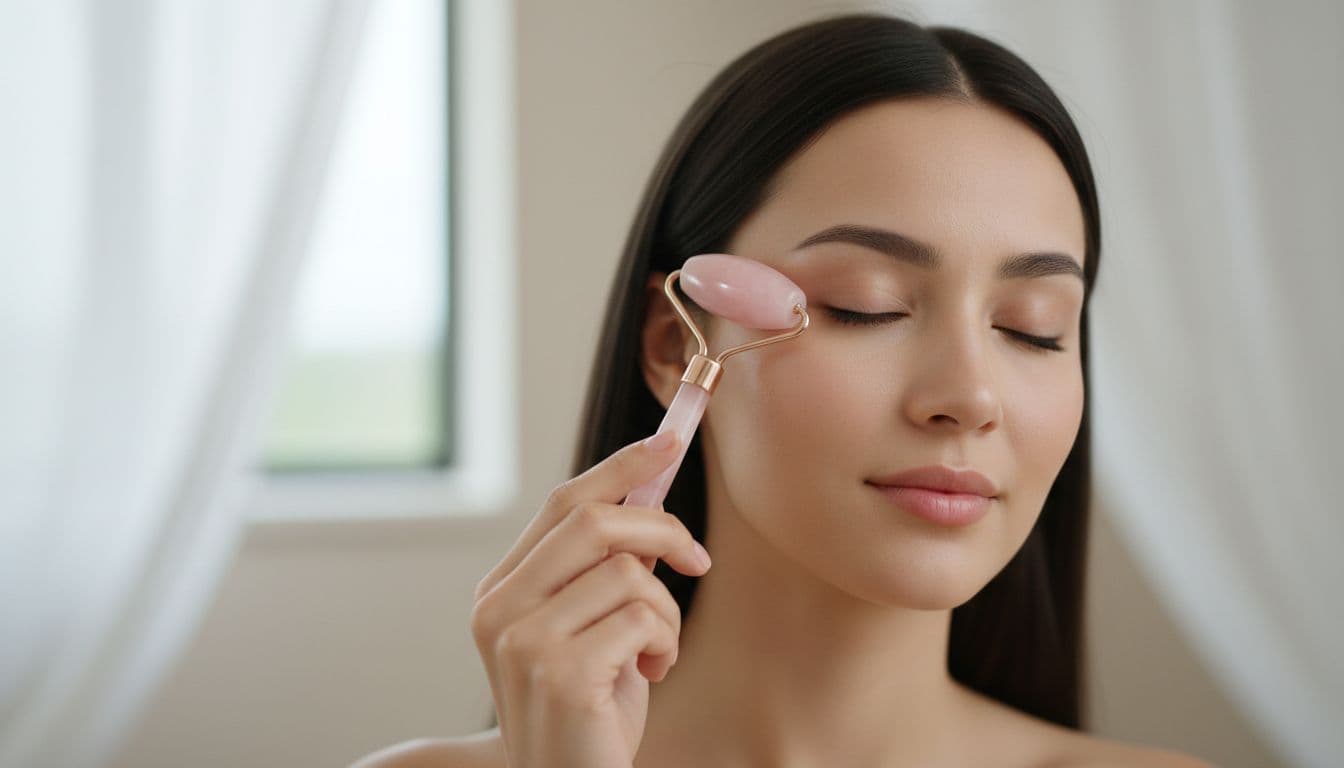
Because the rolling motion is gentle, it’s often better for the under-eye area and for people who don’t want to think about angles. Chilling the roller in the fridge can also make puffiness look better faster, especially after a salty meal or poor sleep. The trade-off is that rollers usually give a subtler contouring effect than gua sha.
So, if your main goal is a quick, soothing, low-skill tool, choose a face roller. If you want more targeted shaping and don’t mind learning a method, gua sha often does more.
For most people, the best choice comes down to routine and comfort.
Whichever tool you use, start with clean skin and a clean tool. Gua sha usually needs a light facial oil or a slippery serum so the edge glides instead of drags. With a roller, you can use less product, but some slip still helps.
Keep pressure light. Your face is not dough, and harder strokes won’t give better results. Two to five minutes is plenty. You can use either tool three to five times a week, or daily if your skin stays calm.
Wash the tool after each use with gentle soap and lukewarm water, then dry it well. Don’t share it. Also skip facial massage over broken skin, sunburn, active rashes, or painful acne. If you’ve had a recent treatment, such as peels, microneedling, or injectables, follow your provider’s advice before using either tool.
Persistent swelling is different from normal morning puffiness. If your face stays swollen, feels painful, or changes suddenly, skincare tools are not the fix. Ubie’s doctor-reviewed guide on facial puffiness explains that swelling can reflect issues beyond skincare.
When it comes to gua sha vs face roller, there isn’t one winner for everyone. Gua sha usually offers more visible short-term sculpting, while a face roller is easier, gentler, and great for fast de-puffing. If you keep expectations realistic, use light pressure, and clean your tools well, either one can earn a spot in your routine.








Leave a comment