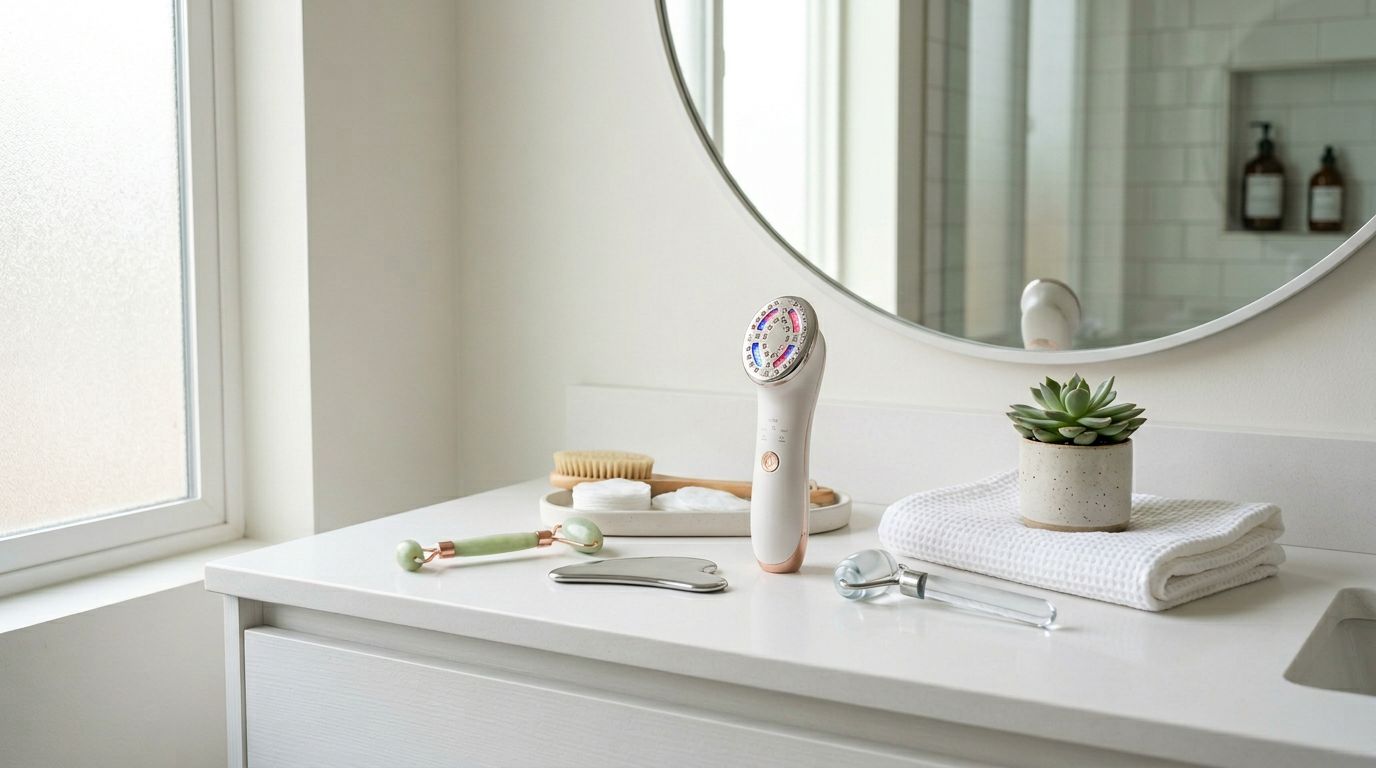
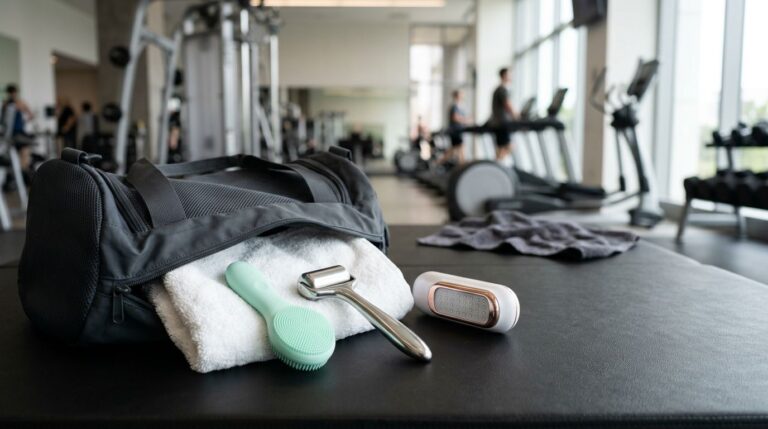
Waking up with a puffy face or heavy-feeling skin can make any routine feel off. That’s why lymphatic drainage tools keep showing up in bathroom drawers, gym bags, and home wellness setups in 2026.
The best ones can help with temporary puffiness, light massage, and a fresher look. They can’t treat medical swelling, though, and they shouldn’t replace care from a doctor or lymphedema therapist. Below, you’ll find the tool types that are actually worth considering at home, plus what to buy first, what to skip, and how to use them safely.
At-home lymphatic drainage sits between skincare and self-massage. The lymph system helps move fluid through the body, and gentle movement can support that process. In plain terms, these tools may help when your face looks puffy after sleep, your jawline feels swollen after salty food, or your legs feel tired after travel.
Still, expectations matter. Research on home beauty tools is limited, and most results are short-term. Think depuffing, comfort, and massage, not a medical fix.
That means unexplained swelling, pain, redness, fever, or true lymphedema needs medical advice first. The same goes for post-surgery care unless your clinician has cleared home use.
If you want a broader look at what beauty editors and artists are watching this year, this expert roundup on depuffing tools shows how wide the category has become.
For most people, manual tools are still the smartest first buy. They’re lower in cost, simple to control, and easy to fit into a five-minute routine. Because your hand controls the pressure, they’re also less likely to overwhelm sensitive skin.
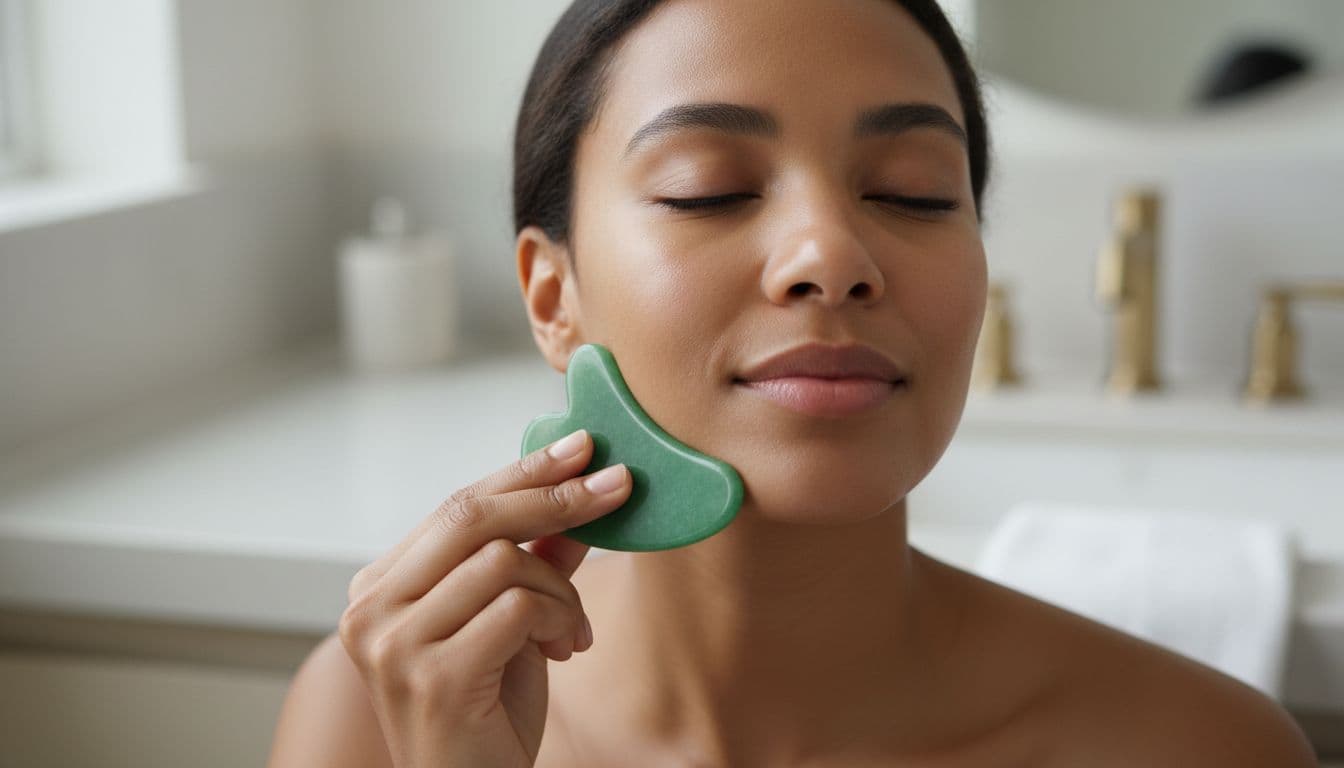
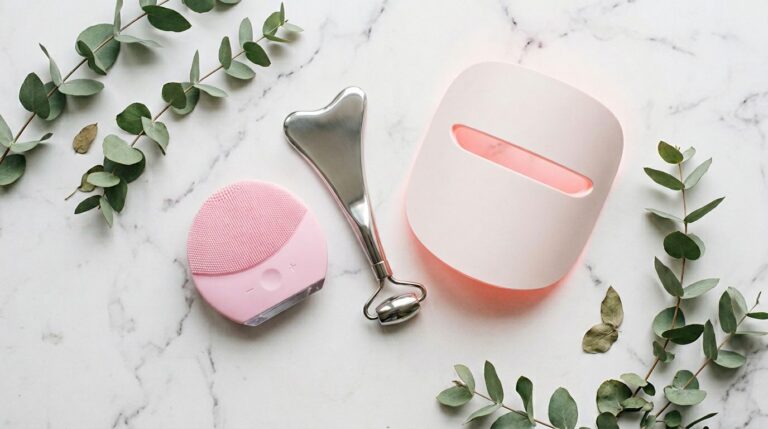
Gua sha is the standout manual option for the face and neck. A smooth tool can trace the jaw, cheeks, and collarbone with more control than a roller. Stainless steel is often the best pick for hygiene because it’s nonporous, cool to the touch, and quick to clean. Stone tools can feel lovely too, but they need more careful washing and storage.
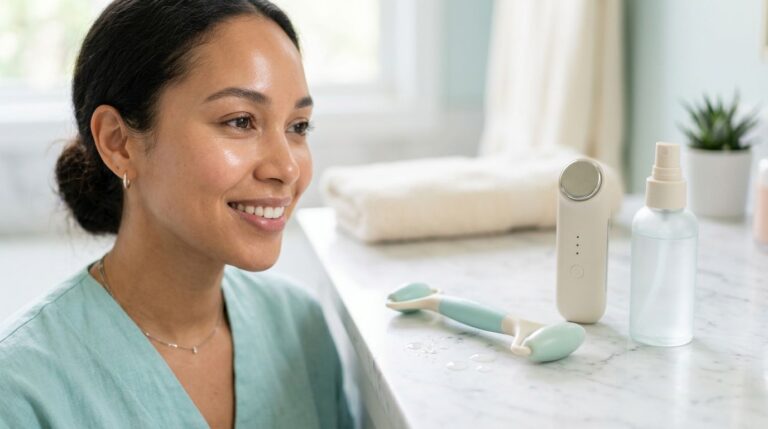
Facial rollers are gentler and easier for beginners. They work well for under-eye puffiness, morning routines, and very reactive skin. The tradeoff is precision. A roller feels soothing, but it doesn’t hug facial contours as closely as gua sha.
For the body, dry brushes and manual body rollers have a place. Dry brushing adds exfoliation, so it’s useful if you want smoother body skin along with massage. However, it’s a poor match for eczema, irritated skin, or active body acne. Silicone cups can create stronger suction, yet they’re easy to overdo. If you bruise easily, skip them.
A simple rule helps here: buy the tool that matches your routine, not the one with the loudest trend cycle. If you want quick facial depuffing, choose gua sha or a roller. If you want body massage before the shower, a dry brush makes more sense.
This year, the tech side of lymphatic drainage tools falls into two groups, small facial devices and larger recovery machines. Both can feel effective, but they serve different needs.
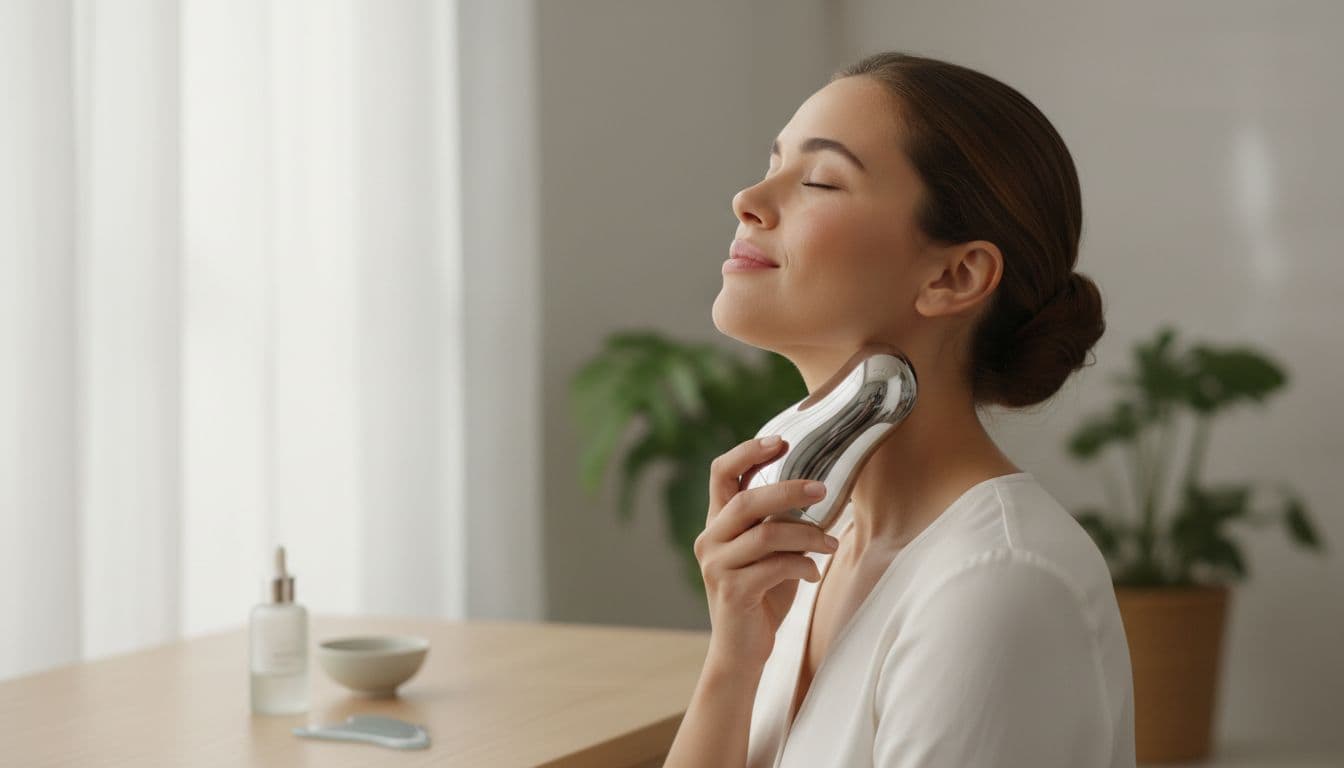
Handheld facial devices are the easier entry point. These often use vibration, cooling, warmth, or a curved metal head to guide massage along the neck and jaw. They’re best for shoppers who want a more consistent glide and a little more structure than a manual stone gives. Some people also like microcurrent devices because they pair depuffing with cosmetic toning. If you’re comparing that category, CNET’s microcurrent device testing gives a helpful overview. Just keep in mind that microcurrent is mostly about muscle stimulation and visible lift, not pure lymph drainage.
Compression boots take things far beyond skincare. They use wave-like pressure around the legs, so they’re best for athletes, frequent flyers, and people who spend long hours sitting or standing. They’re also expensive, bulky, and more likely to need medical screening before use.
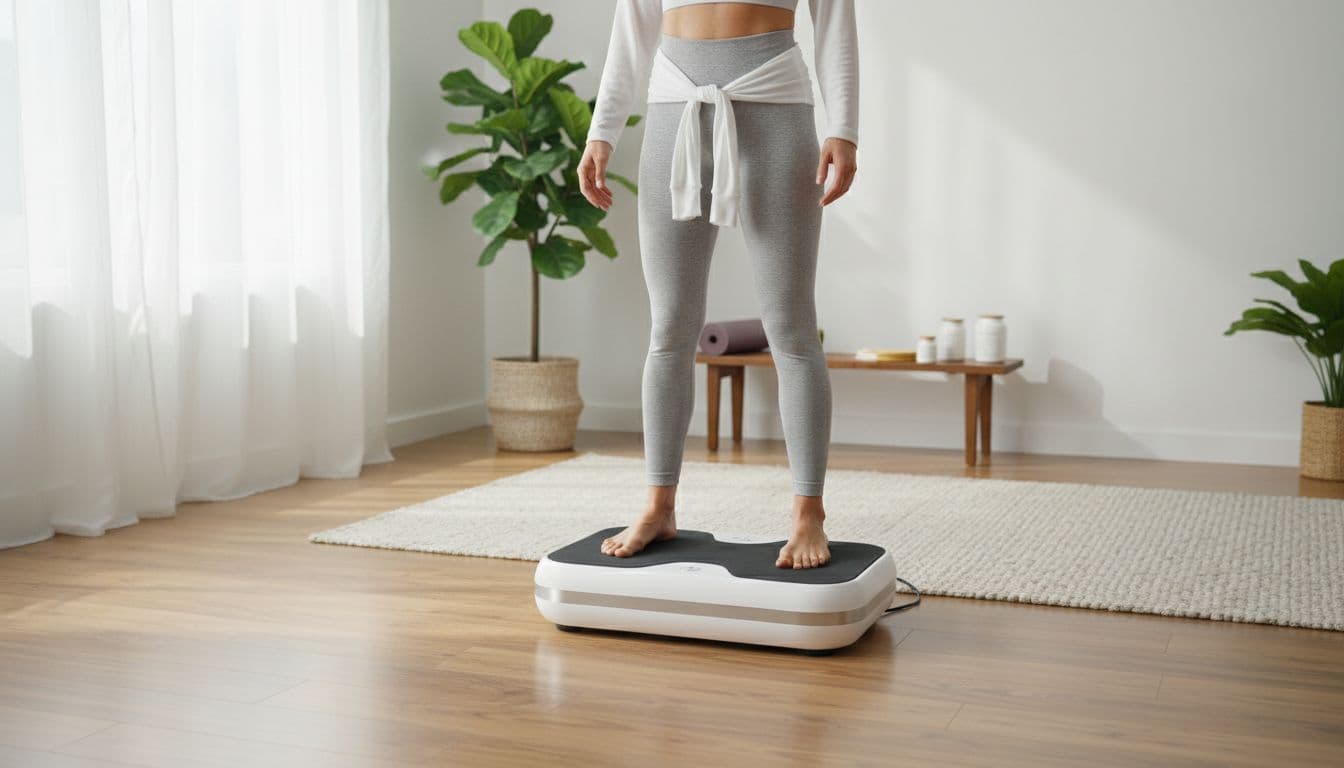
Vibration plates are another 2026 trend. They aren’t a skin tool first, but they can support whole-body movement and circulation during short home sessions. If that category interests you, Shape’s tested vibration plate guide is a solid place to compare options. For beauty-focused shoppers, though, a vibration plate only makes sense if you also want a compact fitness device.
Before buying, match the tool to your main goal.
| Tool type | Best for | Common material | Cleaning | Price tier | Sensitive skin |
|---|---|---|---|---|---|
| Gua sha or roller | Face and neck puffiness | Stone or stainless steel | Easy to moderate | $ to $$ | Very good |
| Dry brush or body roller | Body massage, rough skin | Natural bristles or wood | Moderate | $ | Fair |
| Electric facial device | Guided routine, extra features | Metal and silicone | Easy | $$ to $$$ | Good |
| Compression boots or vibration plate | Leg recovery, full-body use | Synthetic fabric or hard plastic | Easy, but bulky | $$$ to $$$$ | Varies |
Most people do best with a smooth manual tool first. Then, if you want more convenience or leg-focused recovery, move into devices.
Light pressure works better than hard pressure. If it hurts, leaves marks, or makes swelling worse, stop.
Hygiene matters more than many buyers think. Nonporous materials, such as stainless steel, sealed metal heads, and silicone, are easier to clean than rough stone or wood. Wash or disinfect tools after each use, especially around the jawline where skincare, oil, and bacteria build up fast.
Safety comes first, too. Don’t use at-home lymphatic drainage tools if you have an active infection, fever, blood clots, acute inflammation, unmanaged heart or kidney problems, or very recent surgery unless a clinician says it’s okay. Start with five to 10 minutes, use plenty of slip on the face, and remember that gentle strokes usually work better than aggressive pressure.
In short, the best tool is the one you’ll use consistently and carefully. For most homes, that means starting with a roller or gua sha, then moving to tech only if your routine calls for it. Keep your expectations realistic, keep your tools clean, and let gentle win over intense every time.







Leave a comment