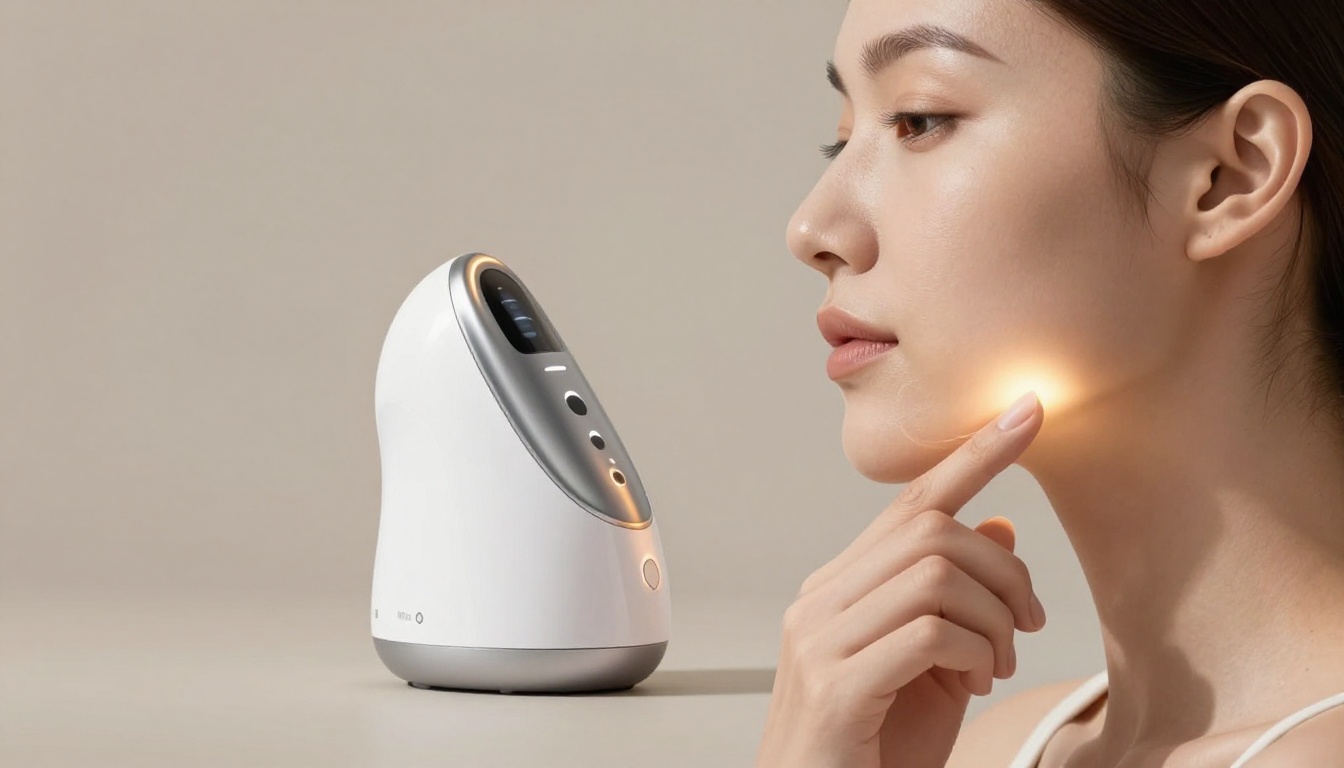
Want firmer skin without booking a clinic visit? The best RF skin tightening devices for home use can help with mild laxity, softer jawlines, and fine lines, but only if the tool is well-made and you use it often. In 2026, the strongest picks focus on controlled heat, simple routines, and clear safety features, not flashy promises.
This guide compares the leading options on the things that really matter: treatment mode, heat control, comfort, areas covered, upkeep, and value. A good device should feel boring in the best way, steady, safe, and easy to repeat.
Home RF warms the dermis to support collagen. Because these devices use lower energy than office machines, results build slowly and stay subtle. Think of them like strength training for your skincare routine, small gains, repeated often, not a one-day makeover.
That’s the key difference between a home tool and a clinic treatment. A helpful overview of professional vs at-home RF treatments shows why office systems reach deeper and act faster. Home devices win on convenience, lower cost over time, and easier upkeep.
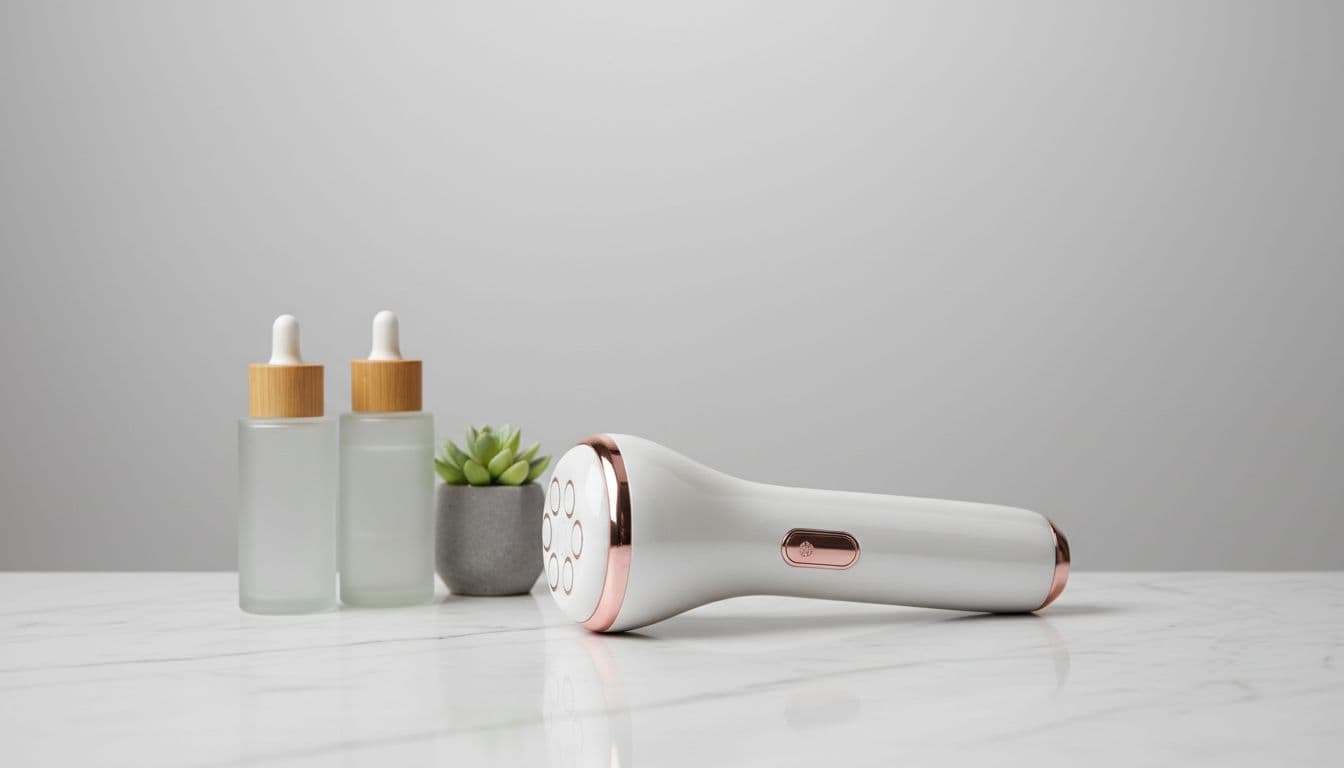
Home RF can improve mild sagging and fine lines. It won’t replace an in-office lift or RF microneedling session.
The best candidates are people with early to moderate loss of firmness, mostly on the cheeks, jawline, and neck. If you want a sharper jaw after a few weeks, home RF may help. If you expect the kind of change you’d get from Thermage or RF microneedling, you’ll likely feel let down.
Based on March 2026 product data, these are the standouts.
| Device | Best use | Heat and mode | Comfort and upkeep | Value |
|---|---|---|---|---|
| CurrentBody Skin RF | Full-face weekly firming | Steady RF warmth, about 104°F, gel needed | Easy once-weekly sessions, 8 to 15 minutes | Premium, about $400 to $600 |
| NEWA | Cheeks, jawline, routine use | Focused RF with cooldown cycles | Beginner-friendly, use 2 to 3 times weekly | Mid to premium, about $300 to $700 |
| TriPollar STOP VX / VX2 | Jowls and visible laxity | Multipolar RF, gel needed | Fast treatments, warm but comfortable | Strong all-around value, about $200 to $600 |
| YA-MAN RF models | Maintenance and brightness | Multipolar-style RF, moderate heat | Comfortable for repeat use, 2 to 3 times weekly | Good mid-range choice, about $200 to $500 |
In short, CurrentBody feels most polished, NEWA is approachable, and TriPollar still leads for tightening value. Availability is generally good online, though stock shifts by bundle and colorway.
CurrentBody Skin RF suits people who want a simple once-weekly rhythm and don’t mind paying more. Its controlled warmth and short sessions make it easy to stick with. That matters, because consistency does more than intensity with home RF.
NEWA remains a smart pick for shoppers who want a brand with clinical backing and cooldown support. Pricing still varies by seller, so checking a live NEWA+ cordless RF device listing can help you judge current value.
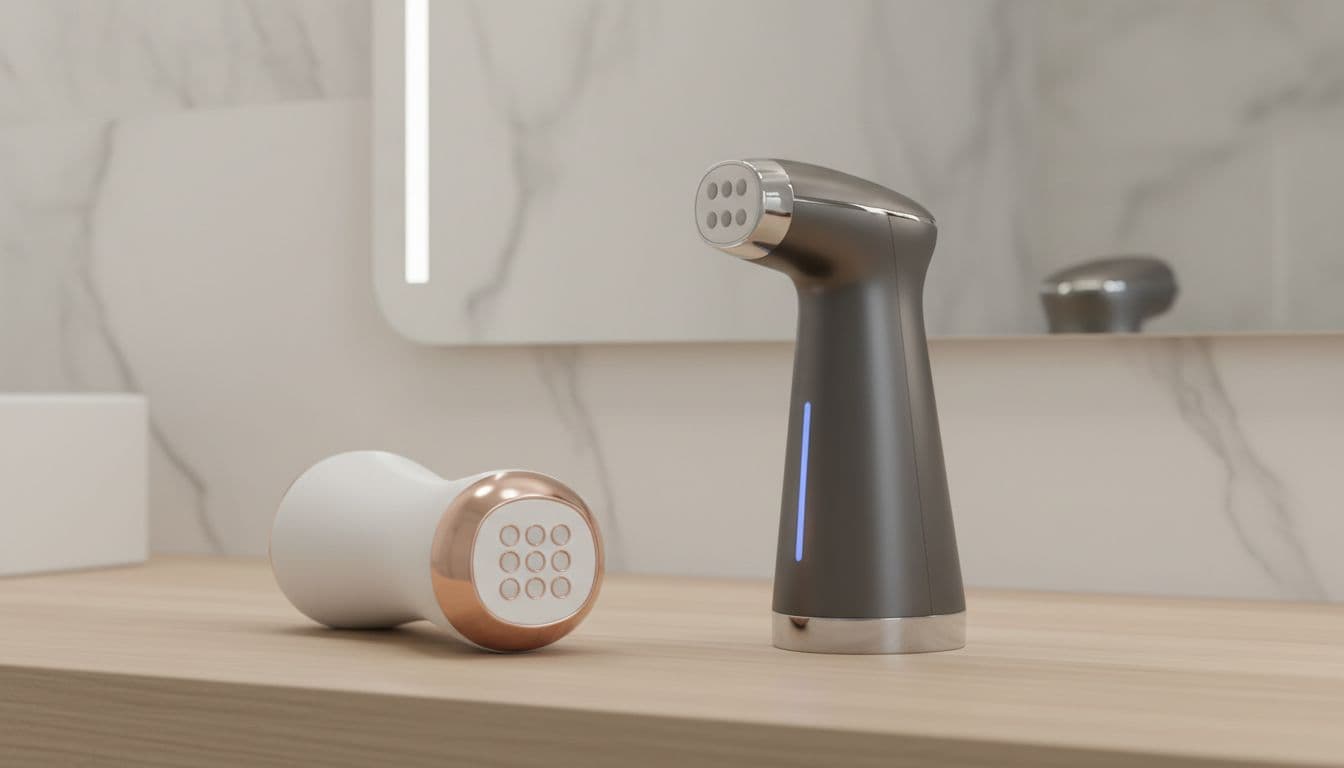
TriPollar STOP VX, plus newer VX-family and NVIG-style updates, still stands out for jawline and jowl work. If budget matters, it’s one of the safest bets in 2026. YA-MAN makes sense for users who want steady maintenance and a softer, more comfortable feel. Meanwhile, Silk’n Titan and Amiro R1 PRO are worth a look if you want hybrid features like infrared, LED, or microcurrent, but RF-first buyers may prefer simpler devices.
Safety matters more than feature count. Look for clear instructions, built-in temperature management, automatic shutoff or cooldown periods, and brand guidance on conductive gel. Cheap no-name wands often hide the basics, which makes comfort and results harder to predict.
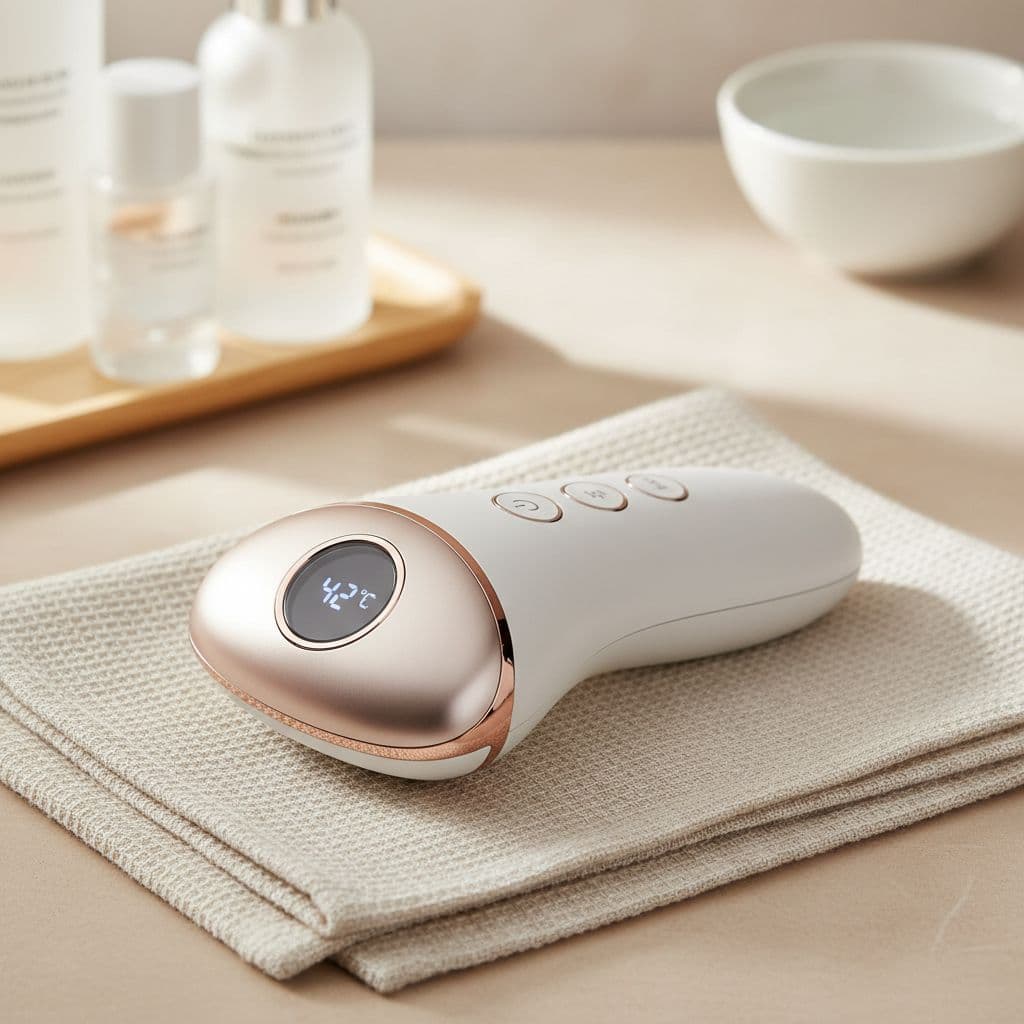
Also separate home RF from RF microneedling. They are not the same treatment. The FDA safety communication on RF microneedling applies to a medical procedure that uses needles and deeper energy delivery. A home surface RF device is gentler, but it still isn’t for everyone. Skip it if you’re pregnant, have an implanted electronic device, active skin infection, broken skin, or a condition your clinician has flagged as heat-sensitive.
Best RF Skin Tightening Device Treatments
Before buying, check treatment area size, replacement gel cost, and whether the device is corded or cordless. Return terms matter, too. Warranty support also matters, especially above $300, because premium pricing should come with solid after-sale help.
Most people need 4 to 12 weeks to see firmer-looking skin, then maintenance sessions to hold it. In other words, home RF is more like brushing your teeth than getting a one-time facial.
If you want the safest short answer, TriPollar offers the best mix of performance and price, CurrentBody feels most refined, and NEWA is great for cautious beginners. Choose based on your routine, not hype, because results vary and regular use matters more than bold claims. When a device has clear heat control, comfortable handling, and reliable support, it’s far more likely to earn a lasting spot on your bathroom counter.








Leave a comment