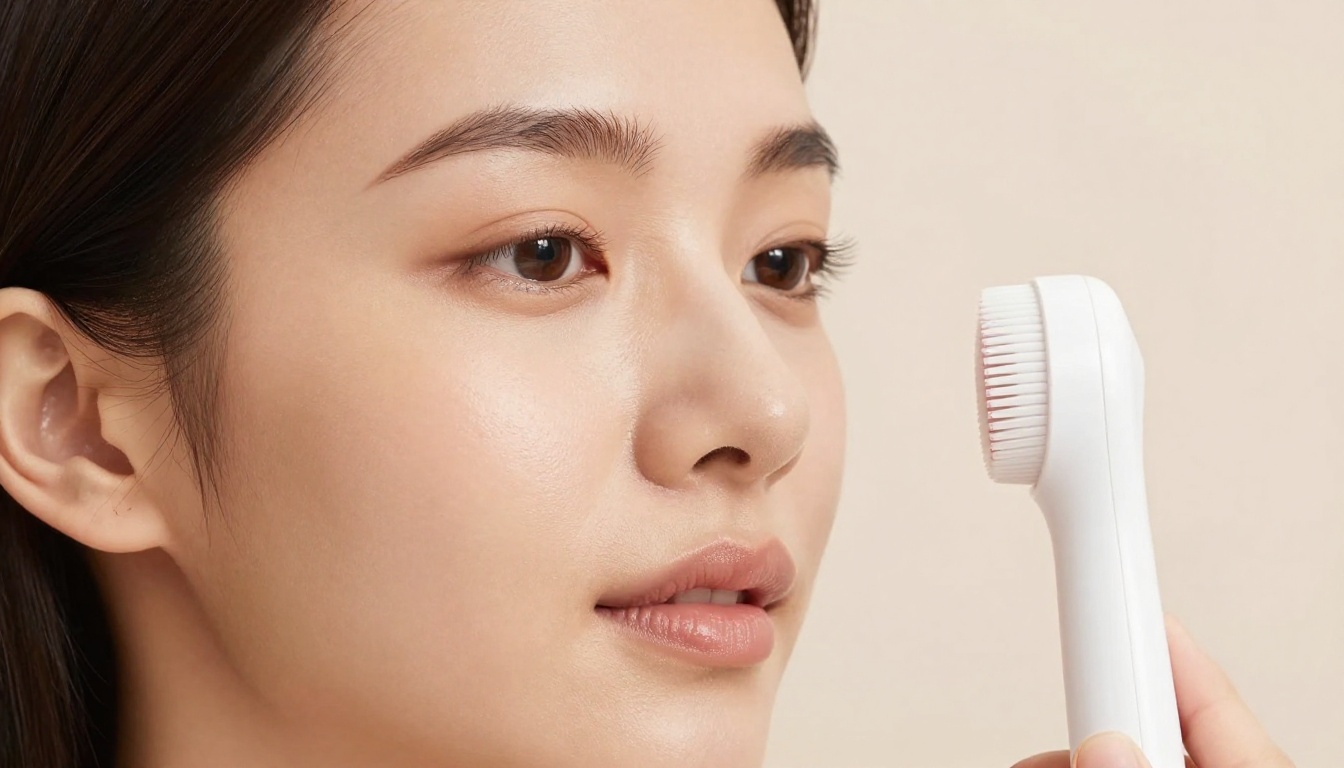
Enlarged pores can make skin look rough, even when it’s clean. The good news is that the right tools for enlarged pores can help, but only in a realistic way.
Pore size can’t be permanently shrunk. Still, when you clear oil, loosen buildup, and improve skin texture, they often look smaller. Recent 2026 buying trends keep circling back to the same device types, so the smart move is picking the tool that matches your skin to reduce pore visibility, not the loudest promise.
Pores aren’t a flaw. They’re openings for oil and hair follicles. Genetics, heavy oil flow, sun damage, lower skin firmness, and damage to the skin barrier can all make them look larger. So no device can erase them like a filter.
What a good tool can do is unclog pores, lift dead skin cells and debris, reduce excess oil on oily skin, smooth rough skin, and improve skin texture for a firmer-looking appearance. That changes how light hits your face, so clogged pores stand out less.
Before you buy, this quick comparison helps:
| Tool type | Best for | Main caution |
|---|---|---|
| Cleansing brush | Daily oil and residue | Too much friction can irritate |
| Ultrasonic scrubber | Clogged pores, flaky buildup | Needs wet skin and a light hand |
| Pore vacuum | Nose blackheads, occasional deep clean | Can bruise sensitive skin |
| Blue LED | Oily, acne-prone skin | Results need steady use |
| Microcurrent | Loss of firmness, uneven skin texture | Doesn’t unclog pores directly |
Pores don’t open and close like doors. Heat, cold, and suction may change their look for a while, not their permanent size.
Expert advice still centers pore care on consistency, not force. Tools work best alongside topical treatments like salicylic acid or retinol. That lines up with expert recommendations on clearer-looking pores, which also favor routine over quick fixes.
Cleansing tools help most when clogged pores are the main issue. If your skin gets shiny by noon or your nose feels grainy, start here.
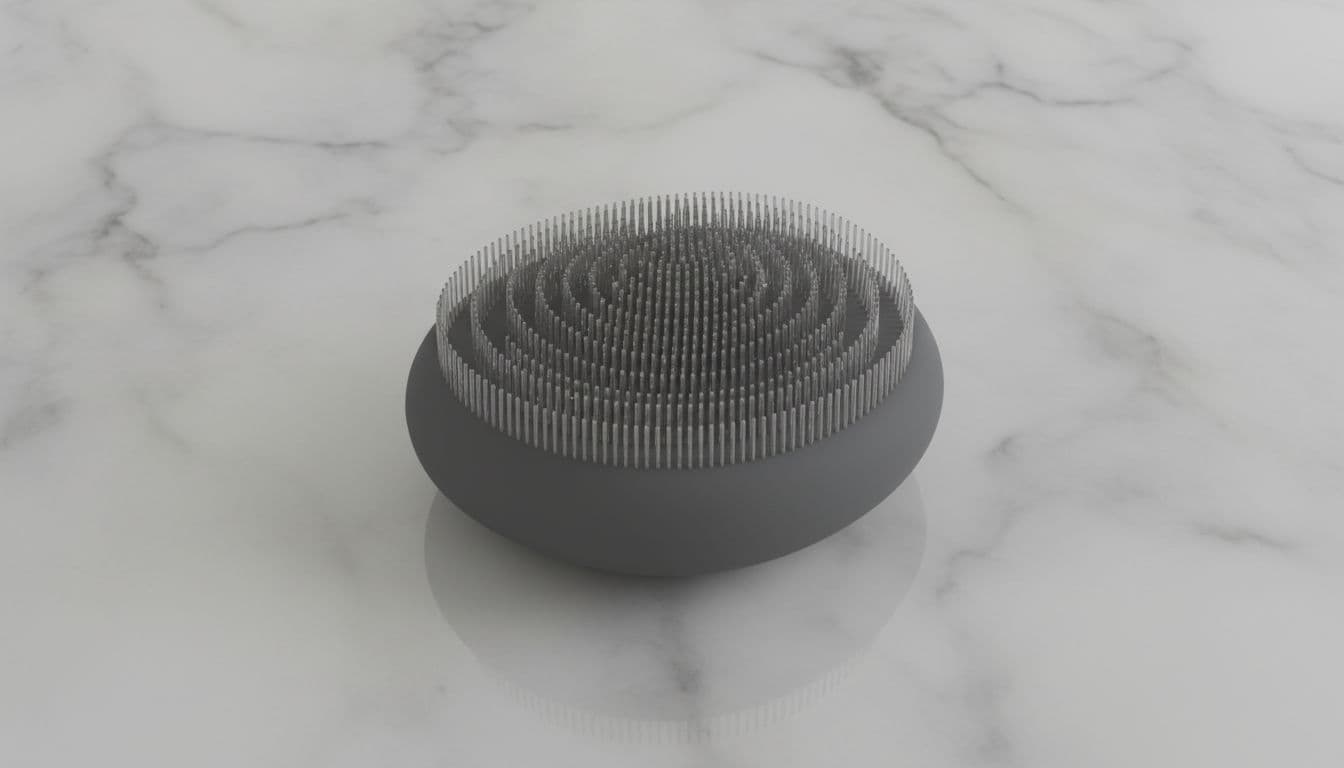
A soft silicone cleansing brush is usually the safest first buy. It can lift sunscreen, makeup residue, extra oil, and dead skin cells better than fingers alone, helping manage sebum production especially for those with oily skin. Because the head is smooth, it’s also easier to rinse clean than packed bristles.
Still, more scrubbing doesn’t mean smaller pores. Use it once a day at most, or a few times a week if your skin runs dry or reactive. If you have inflamed acne, rosacea, or an upset skin barrier, even a gentle brush may feel like too much.
Recent facial cleansing device reviews for 2026 point to the same useful features, silicone touchpoints, timers, easy cleaning, and adjustable intensity.
Ultrasonic scrubbers are a smart step up for oily or combination skin. On wet skin, the flat metal blade vibrates and helps unclog pores by loosening grime from the surface. Think of it like nudging debris out, not digging it out. They’re handy around the nose and chin, but they can irritate if you press hard or use them on dry skin.
Pore vacuums are more divisive than pore strips or a manual comedone extractor. Used carefully, they can help lift blackheads and stubborn buildup, mostly around the nose. Used carelessly, they can leave broken capillaries, red marks, or bruises, much like the irritation from pore strips or scarring risks with a comedone extractor. Editor testing of pore vacuum devices reaches the same basic point, technique matters as much as the tool.
Start with the lowest setting, keep the device moving, and never hold it in one spot. If your skin is thin, sensitive, or acne-prone, a pore vacuum may be the wrong pick. For smoothing the surface without suction, consider a dermaplaning tool.
When pores look larger because skin texture is uneven or firmness has dropped, cleansing alone won’t do much. That’s where LED and microcurrent tools start to make more sense.
Blue LED devices are the best fit for oily skin. Their main job isn’t to shrink pores. Instead, they help reduce acne-causing bacteria and calm some oil-related congestion. As breakouts and shine settle down, pores often look less obvious. Pairing blue LED light therapy with topical niacinamide can further calm oil.
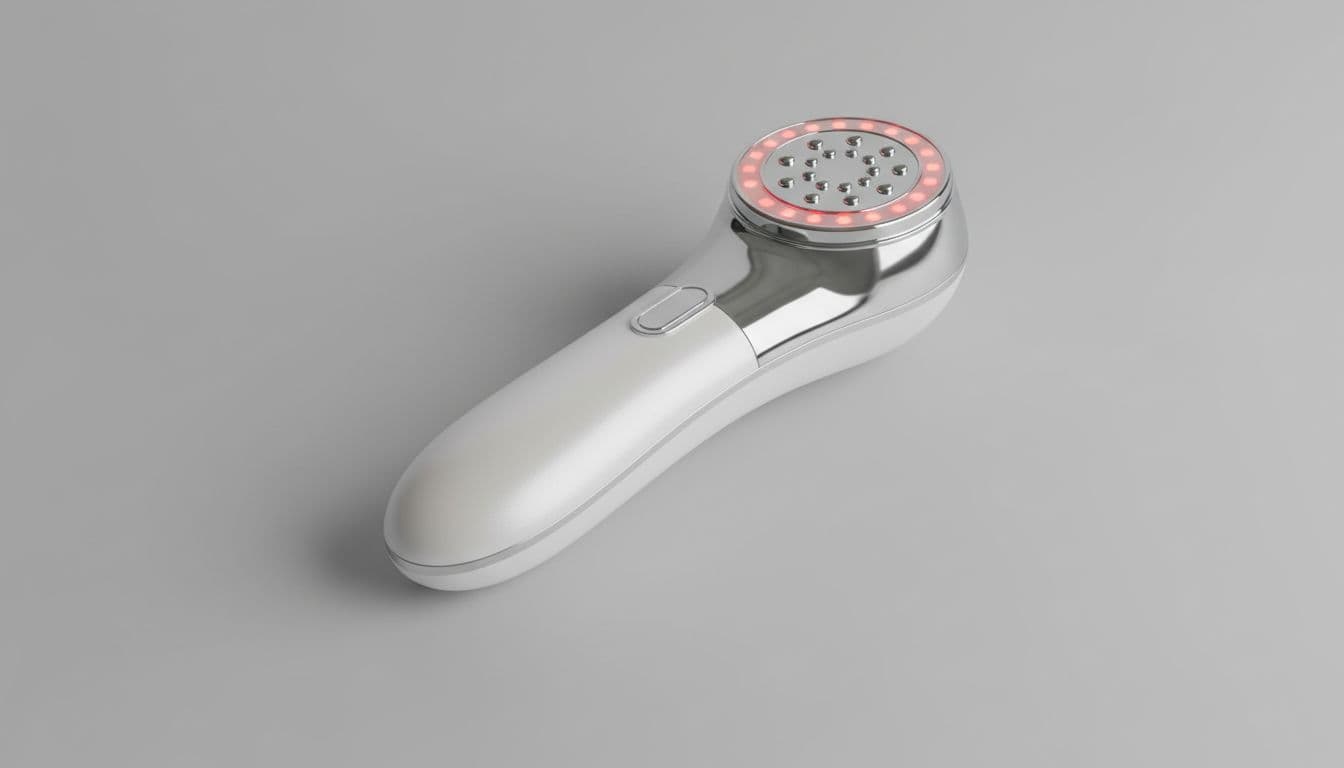
Some 2026 favorites use blue light alone, while others pair LED with cooling or massage. Those extras can feel nice, but steady use matters more than add-ons. If you have light sensitivity or take meds that make skin light-sensitive, check the device warnings first.
Microcurrent works in a different lane. It doesn’t clean pores out. Instead, a microcurrent device gives skin a firmer, tighter look over time by supporting collagen production, which improves skin texture and can make pores seem more refined. That’s why multi-tech wands remain popular in 2026, especially models that pair microcurrent with red LED and a facial massager component for warmth and vibration.
This category suits normal, dry, or mature skin best, especially if enlarged pores come with rough texture or early looseness. You do need conductive gel containing hyaluronic acid, clean skin, and a routine. Also, check the brand’s medical warnings before use.
If you have active breakouts, treat congestion first. Sending current over irritated, greasy skin usually isn’t the best move.
The best buy depends on why your pores look enlarged in the first place. If clogged pores from oil and buildup are the problem, choose cleansing, ultrasonic, or LED. If your skin looks slack or uneven, microcurrent may give a better return.
For sensitive skin, keep it simple. A soft silicone brush or low-intensity LED device is often easier to tolerate than suction or frequent scraping. For acne-prone skin, which often deals with clogged pores, blue LED and careful cleansing usually beat pore vacuums. For combination skin, an ultrasonic scrubber once or twice a week can be a smart middle ground.
Hygiene matters as much as the tech. Wash heads after each use, dry them well, and don’t share devices. Also, stop if you get lasting redness, tenderness, or peeling. Skin should look calmer and smoother over time, not angrier.
Price matters, too. Pay for features that improve safety and comfort, like low settings, timers, waterproofing, and easy-to-clean heads. Skip gimmicks like extreme suction or “instant pore shrinking” claims. Good tools support a pore minimizer routine; they don’t replace cleanser, sunscreen, or a chemical exfoliant. Alpha hydroxy acids such as glycolic acid and lactic acid, along with beta hydroxy acids like salicylic acid, serve as necessary partners for the tools. Using a clay mask or charcoal mask once a week can further assist the tools in keeping pores clear.
A pore tool shouldn’t feel like a power washer. The best ones act more like a careful housekeeper, clearing clutter so your skin can look cleaner, smoother, and less shiny.
If you’re choosing one device in 2026, pick the tool that matches your skin’s main problem, then use it gently to help unclog pores and often enough to see a change. Consistency beats intensity every time.









Leave a comment