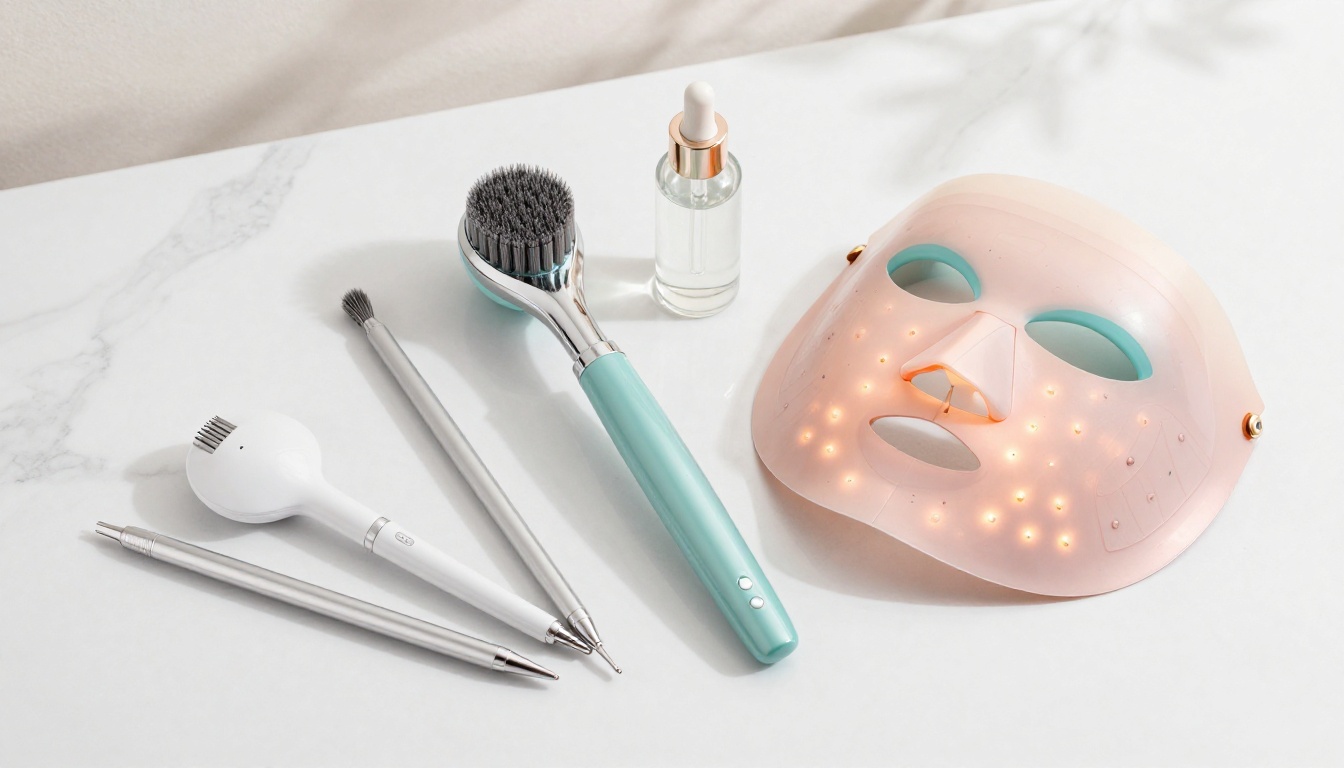
Textured skin doesn’t all look the same, and that’s why one trendy gadget rarely helps every bump. Roughness, clogged pores, post-acne marks, and an uneven surface each respond to different tools.
In 2026, the best textured skin tools are more targeted than ever. Still, the smartest buy isn’t the most expensive one, it’s the one that fits your skin, your tolerance, and the way you’ll use it week after week.
Before you buy anything, name the problem clearly. That step saves money and protects your skin barrier.
Roughness often feels like dry, dull bumps on the surface. Congestion looks more like clogged pores, blackheads, or small bumps around the nose and chin. Post-acne texture usually means uneven spots left after older breakouts. Meanwhile, a generally uneven surface can come from a mix of buildup, dehydration, and mild loss of firmness.
This quick comparison makes the choice easier:
| Texture concern | Best tool type | Usually a good fit for | Use caution if |
|---|---|---|---|
| Rough, dull surface | LED mask or gentle microdermabrasion | dry to normal skin with flaky buildup | your barrier feels tight or stings |
| Congestion and visible pores | Ultrasonic brush or low-suction pore tool | combo to oily skin | you have inflamed acne or broken skin |
| Post-acne unevenness | LED mask, cautious microdermabrasion | older marks and shallow surface texture | you pick at breakouts or peel easily |
| Uneven surface with mild slackness | Microcurrent | skin that looks bumpy and less firm | current-based tools irritate your skin |
The main takeaway is simple: match the tool to the texture, not the marketing. For example, a pore vacuum won’t do much for dry roughness, and aggressive exfoliation can make reactive skin look worse.
If your skin is inflamed, peeling, or covered in active breakouts, the safest tool may be no tool for a few days.
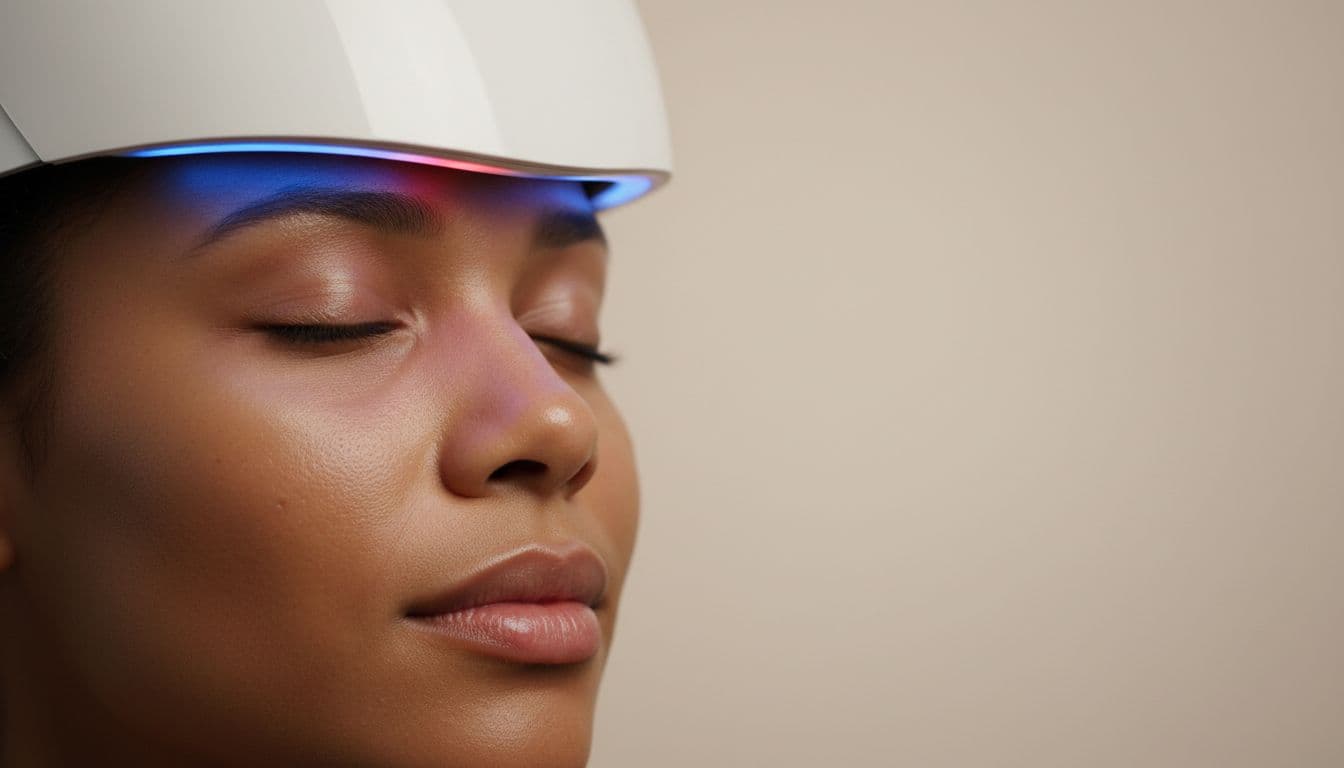
LED light therapy masks are the most balanced option for many people. They work well for rough patches, mild post-acne texture, and skin that needs steady support instead of scrubbing. Red and near-infrared light are often used to support collagen, while blue light is aimed at breakout-prone skin. In 2026, models like the TheraFace Mask Glo stand out because they combine multiple light modes in short sessions. Results are gradual, though, so think smoother-looking skin over time, not an overnight reset.
For congestion, cleansing tools still matter. A soft ultrasonic or silicone cleansing brush helps remove sunscreen, oil, and dead skin that sit in pores and make the surface feel grainy. That’s why these are often the best first textured skin tools for oily or combo skin. Some people also like suction-based devices, but go slow. Keep the setting low, keep the tool moving, and never hold it in one place. If blackheads are your main issue, this guide on blackheads and skin texture gives useful context on why pores can feel rough even when skin looks clean.
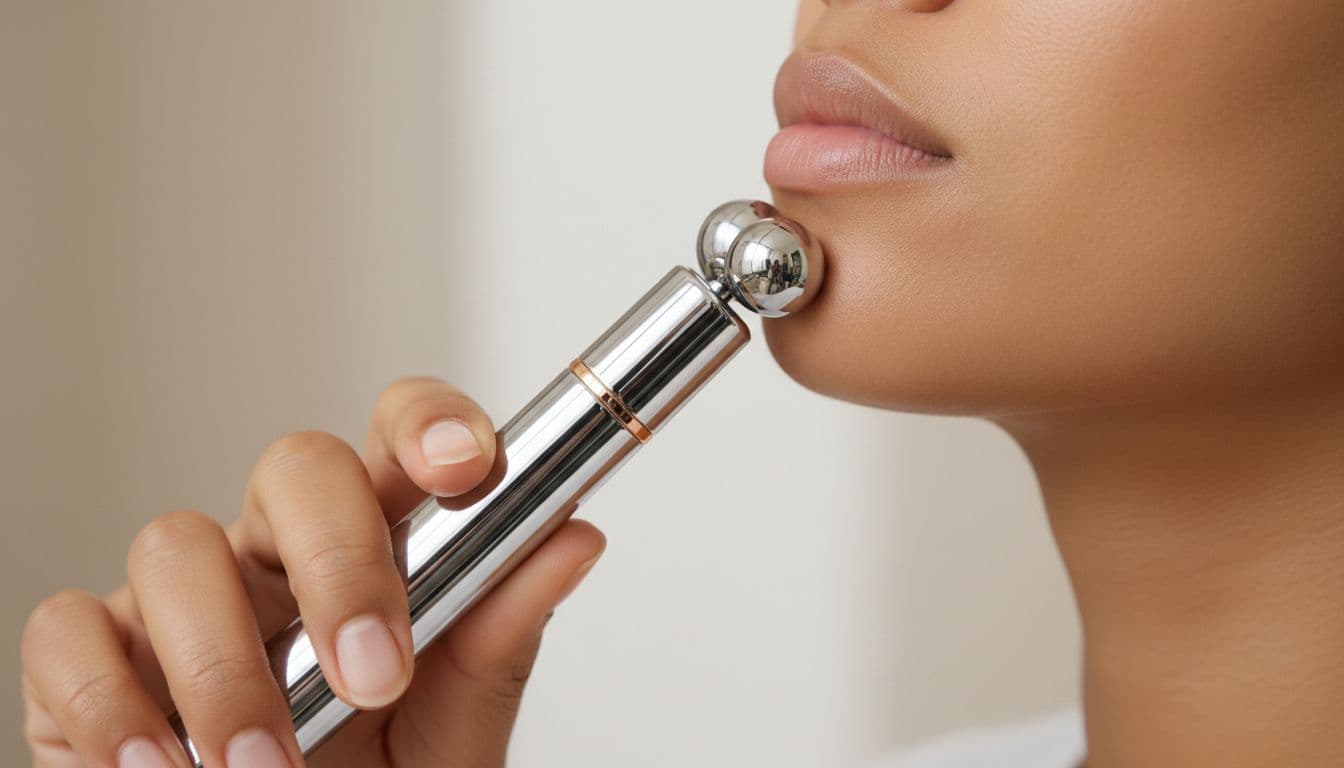
Microcurrent tools fit a different need. They won’t clear clogged pores, but they can help skin look smoother when uneven texture also comes with mild sagging or loss of tone. Devices such as Déesse Pro Sculpta and BT-Sculpt Gen2 have gained attention in 2026 because they combine firming with other skin-focused features. The catch is consistency. You need conductive gel, clean skin, and regular sessions. If your face is irritated, sensitized, or actively breaking out, skip microcurrent until things calm down.
At-home microdermabrasion is the strongest resurfacing option in this group, so it needs the most respect. It can help rough patches and some older post-acne texture because it removes surface buildup more directly. Devices like the PMD Personal Microderm Pro and newer options such as FOREO KIWI derma are designed for home use, but they still aren’t for everyone. If you use strong acids, prescription retinoids, or you flare easily, this category may be too much.
Skin type should shape the purchase. Oily, congestion-prone skin usually does best with a gentle cleansing tool first. Dry or dull skin often prefers LED over suction. If sensitivity is your main issue, avoid harsh friction and pick the calmest option on your list.
Frequency matters just as much as features. Start low, even if the brand says daily use is fine. Once a week is enough for exfoliating tools at first. LED and some microcurrent devices are often used more often, usually a few times a week. More sessions don’t mean faster progress. They often mean irritation.
Maintenance is easy to ignore, but it matters. Brush heads, tips, and surfaces need regular cleaning. Filters and attachments may need replacing. If upkeep sounds annoying now, you probably won’t love the tool later.
Budget also changes the decision. Under $100, gentle cleansing devices usually give the best value. Mid-range tools can add heat, cooling, or stronger motors. Premium masks and combo devices cost more because they treat more area or stack features. That doesn’t always mean better results for your skin.
More pressure isn’t more progress. When texture gets worse after a tool, irritation is often the reason.
Patch test first. Then take progress photos in the same light every two weeks. That’s the easiest way to tell if a tool is helping, or if your skin is asking you to back off.
The best buy in 2026 isn’t the flashiest device. It’s the one that fits your texture, respects your skin barrier, and gives you results you can see after steady use.
If you’re choosing between categories, start with the gentlest option that matches your main concern. Textured skin tools work best when you use them with patience, not force.








Leave a comment