
An ultrasonic skin scrubber can feel like a tiny pressure washer for pores, except your skin barrier is not concrete. If you go in dry, press too hard, or overdo the time, you’ll often end up with redness that looks like a mild sunburn.
The good news is that irritation is usually preventable. It comes down to three habits: keep the skin wet, use almost no pressure, and limit how long you work on each area. Add solid cleaning of the device, and you’ll get the “freshly cleansed” look without the sting.
Most irritation from an ultrasonic spatula is simple friction plus over-exfoliation. Even though the device uses vibration, the metal edge still slides across skin. If the surface is dry, that sliding can scrape and heat the area fast.
A few common triggers to avoid:
If you’re new, it helps to read a safety-focused overview first, like Byrdie’s guide to using an ultrasonic skin scrubber, then follow your device’s manual for modes and charging.
Before each use, do a quick “should I skip today?” scan. Avoid using the scrubber on broken, sunburned, infected, or actively inflamed skin. If you have rosacea, eczema, clusters of angry acne lesions, or you’re using prescription topicals, check with a dermatologist first. Also stop if you feel pain, or if redness lasts into the next day.
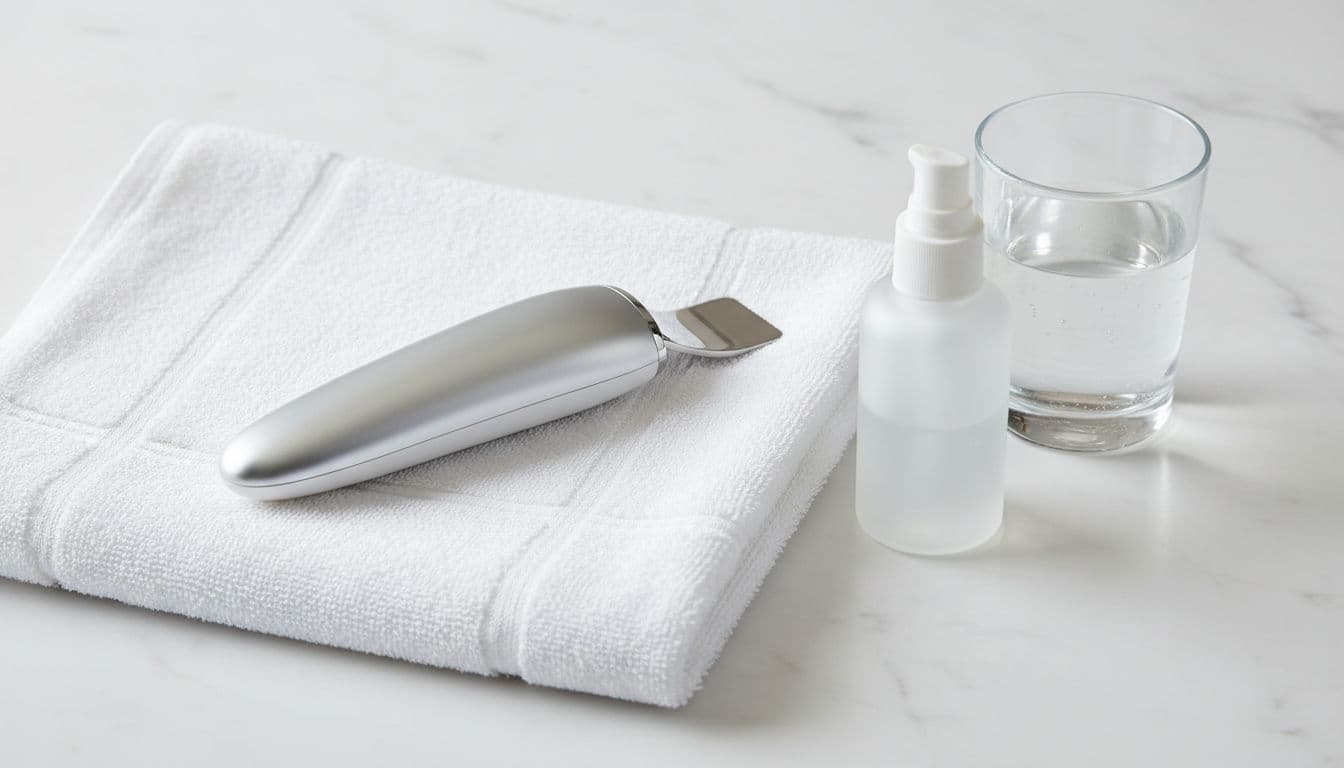
Prep is where most people win or lose the session:
Cleanse first with a gentle wash. Then keep a sink trickle running, or use a spray bottle. Next, sanitize the metal blade with 70% isopropyl alcohol and let it fully dry. (Don’t soak the device unless it’s rated waterproof.)
The scrubber should glide like a spoon over wet glass. If it drags, your skin needs more water, not more force.
Good technique looks almost too light. Think “skimming,” not “scraping.”
After cleansing, leave your face dripping-wet, especially on the area you’re treating. Re-wet often. If you towel-dried out of habit, just re-soak the skin.
Many devices have several modes. For your first few sessions, start low. You can increase later if your skin stays calm.
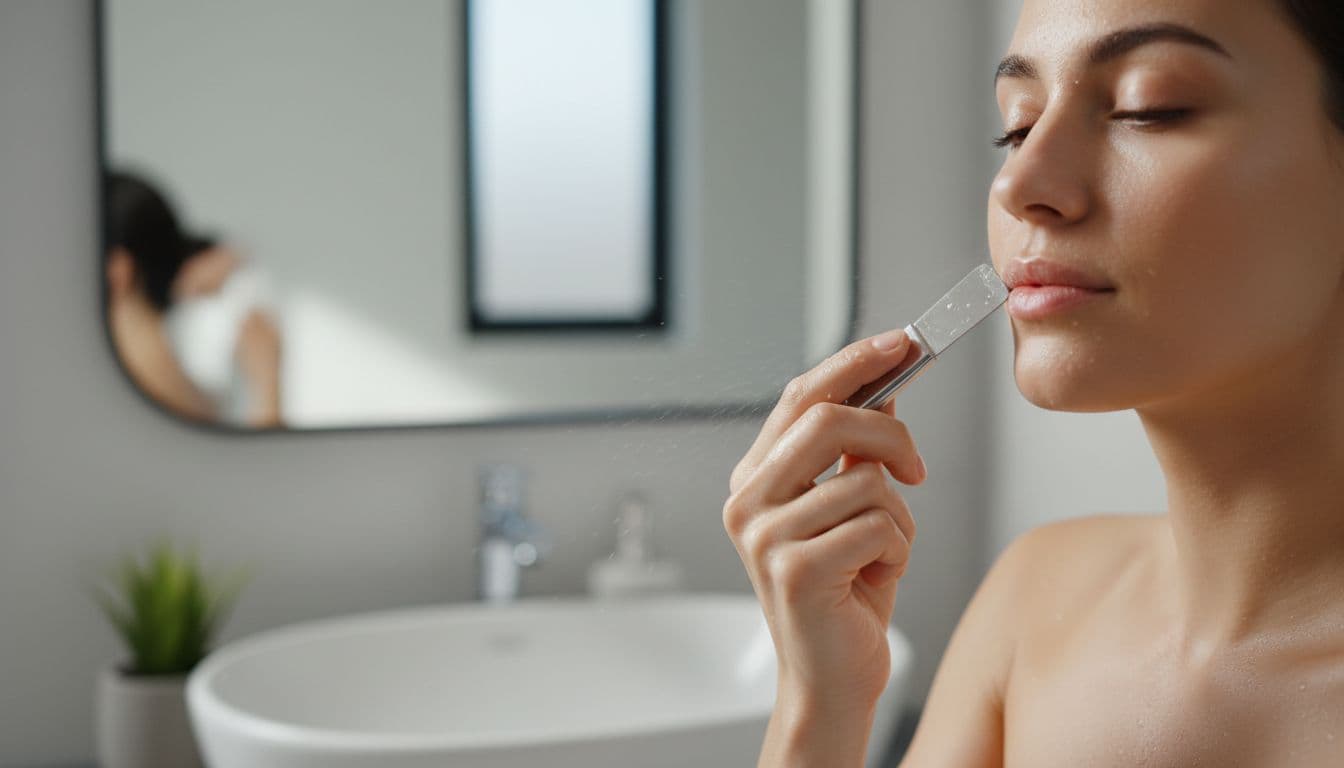
Aim for about a 30 to 45-degree angle, with the flat of the spatula close to the skin. A steep angle concentrates force on the edge and raises irritation risk.
Glide in slow, short movements. Keep strokes to about 1 to 2 inches, then move on. One pass per strip is often enough.
Stay conservative at first:
As a simple cap, keep total active “scrub time” to 3 to 5 minutes for the whole face when you’re learning. If you want more, add it later after your skin proves it can handle it.
The fastest way to get irritation is combining multiple “intense” steps in one routine. Space things out:
For extra context on device-based exfoliation, see Dermalogica PRO’s note on enhancing exfoliation with electronics. The theme is consistent: exfoliation works best when you keep the barrier in mind.
Right after you finish, your skin is more receptive and also more reactive. Treat it like it just took a brisk workout.
Rinse with cool to lukewarm water. Pat dry, don’t rub. Next, apply a simple hydrator (like glycerin or hyaluronic acid), then a moisturizer with ceramides or squalane. If it’s daytime, finish with sunscreen.
If you see mild pinkness, keep the routine boring for 24 hours. Skip scrubs, peels, and strong acne treatments until everything looks normal.

Clean the metal spatula with alcohol after use, then let it air-dry. Wipe the handle too, since product and water drip down. Store it dry. A dirty blade can irritate skin and may spread bacteria.
Use this as a starting point, then adjust based on how your skin behaves. If you want another reference point, compare with this frequency discussion for ultrasonic skin spatulas.
Here’s a simple guide:
| Skin type | Best starting frequency | Typical upper limit (if no irritation) |
|---|---|---|
| Sensitive, redness-prone | Every 10 to 14 days | Once weekly |
| Dry or dehydrated | Every 7 to 10 days | Once weekly |
| Normal, balanced | Once weekly | 1 to 2 times weekly |
| Oily, congestion-prone | Once weekly | 2 times weekly |
| Acne-prone (inflamed acne) | Avoid active lesions | Ask a dermatologist |
The takeaway: more often isn’t better. Consistent, gentle sessions beat aggressive “deep cleans” that cause peeling or sting.
Using an ultrasonic skin scrubber without irritation is mostly about restraint. Keep your skin wet, use almost no pressure, and cap your passes and time. Then protect your barrier with calm aftercare and solid device cleaning. If you’re using prescription products or dealing with rosacea, eczema, or painful acne, get guidance first, because comfort and safety matter more than extractions.









Leave a comment