No tool can outwork daily sunscreen, but the right device can still help faded marks look less stubborn. If your skin looks patchy, dull, or blotchy, 2026 brings better options than the one-size-fits-all gadgets of a few years ago.
The smartest picks now focus on steady, low-irritation treatment. That matters, because uneven tone often gets worse when skin stays inflamed. Here’s how to choose uneven skin tone tools that help, without wasting money or pushing your skin too hard.
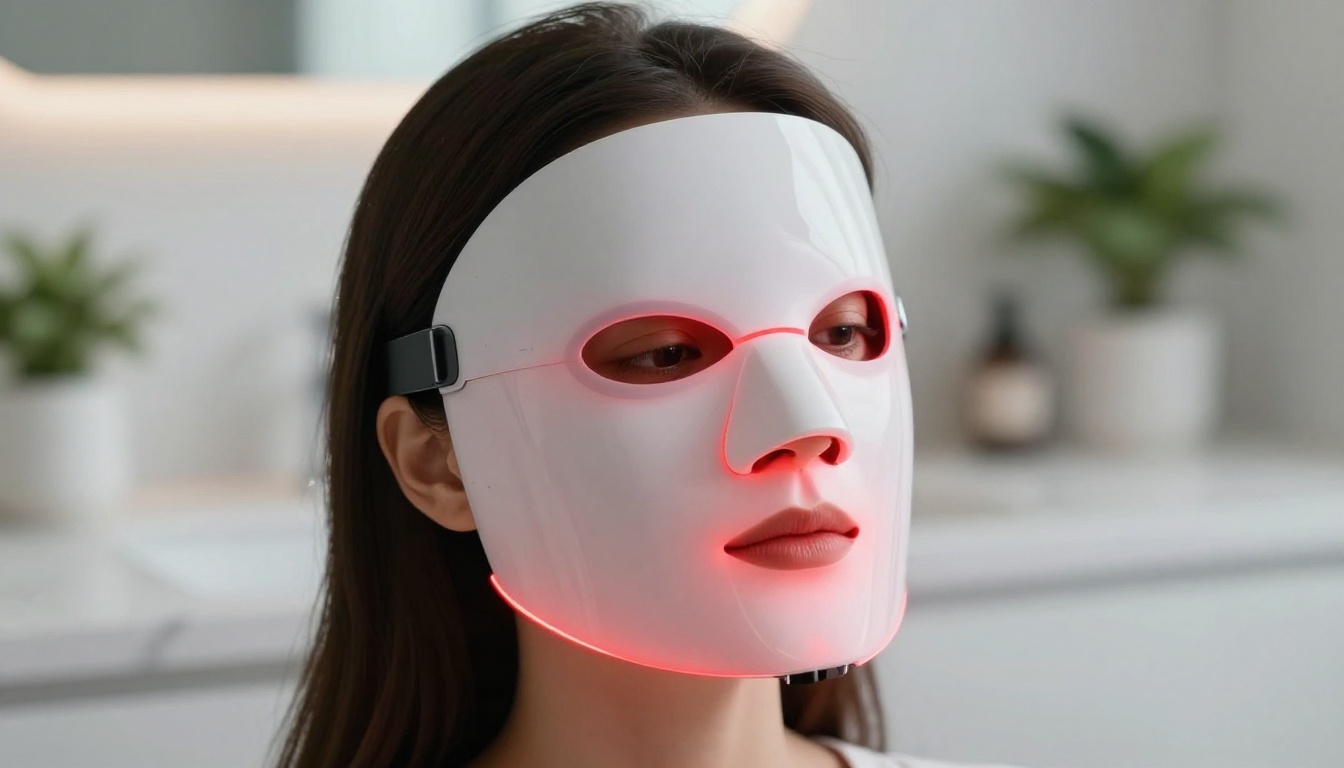
For most people, LED light therapy is the best place to start. Recent 2026 roundups, including dermatologist-tested LED mask picks and tested LED mask reviews from InStyle, keep landing on the same point: red and near-infrared light remain the strongest at-home options for mild uneven tone, post-acne marks, and dullness.
Why does LED lead the pack? It treats skin gently. Red and near-infrared light can calm visible inflammation and support repair, which helps skin look more even over time. That makes LED masks a strong fit for people with sensitive skin, darker skin tones, or anyone who wants a low-fuss routine.
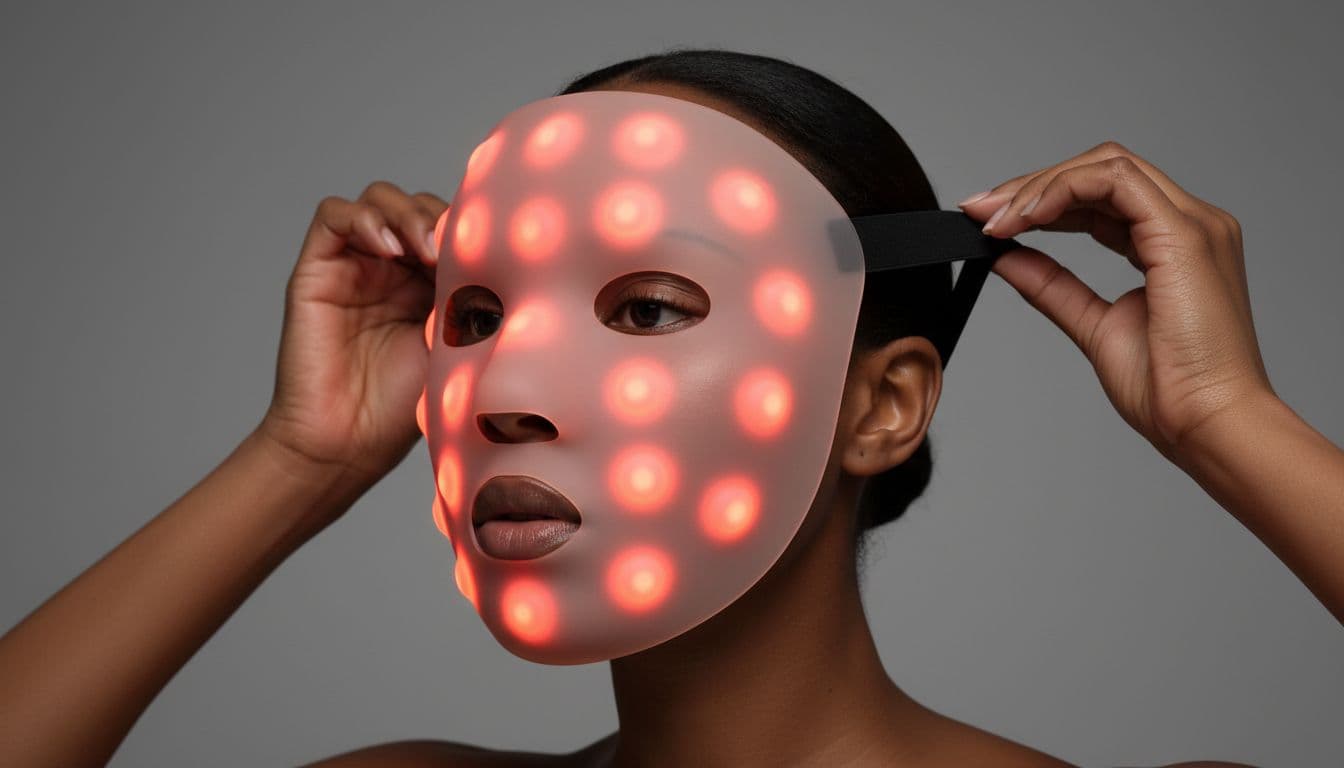
Devices like the TheraFace Mask Glo, Omnilux Contour Face, and Dr. Dennis Gross SpectraLite line stand out in 2026 because they treat the whole face at once. Full-face coverage beats chasing one mark at a time. Most masks ask for 10 to 12 minutes, three to five times a week, which is realistic for busy routines.
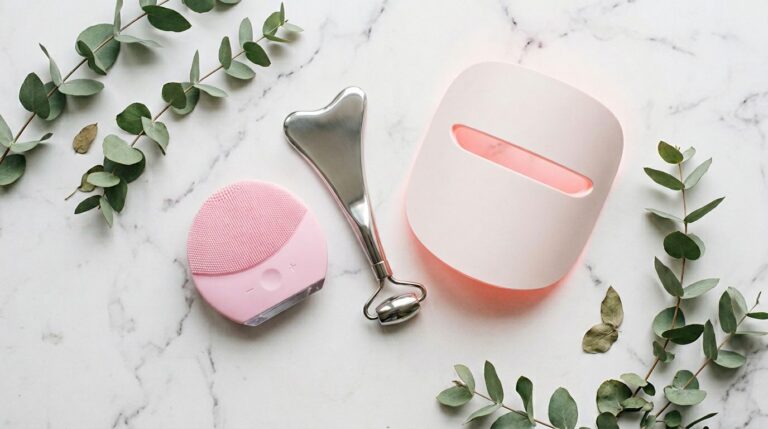
Handheld microcurrent and LED wands come next. Tools like Solawave-style devices can boost glow, reduce puffiness, and make lingering post-inflammatory marks look less obvious. Still, they are better for maintenance than major pigment correction. Think of them like a detail brush, not a paint roller.
A quick comparison makes the tradeoffs easier to see:
| Tool type | Best use | Main upside | Main limit |
|---|---|---|---|
| LED face mask | Dullness, mild dark spots, post-acne marks | Gentle, full-face treatment | Slow results |
| LED or microcurrent wand | Small areas, travel, quick glow | Easy to use, portable | Less impact on stubborn pigment |
| At-home microneedling pen | Texture, shallow acne marks | Can improve tone and texture together | Higher irritation risk |
| IPL device | Very selective cases | Can target discoloration in some users | Not ideal for every skin tone |
The big takeaway is simple: if you want one at-home tool in 2026, start with LED.
Microneedling pens are more powerful, but they ask more from you. Used carefully, they may help with shallow post-acne marks, rough texture, and uneven tone because they trigger repair. A conservative microneedling device comparison can help you see the difference between pens, rollers, and stamp tools before buying.
That said, this is where many people overdo it. If needle depth is too aggressive, or if the tool isn’t sterile, skin can end up more inflamed. For people prone to hyperpigmentation, especially medium to deep skin tones, that irritation can leave darker marks behind.
More intensity does not mean better fading. When skin gets irritated, discoloration often sticks around longer.
At-home microneedling makes the most sense for experienced users who will stay conservative. Skip it on active acne, broken skin, or if you know your skin darkens after even minor irritation. If you want stronger results, professional microneedling is often the safer step up.
IPL sits in an even trickier spot. Some at-home IPL devices are marketed for tone correction, but many are designed mainly for hair reduction. They also are not a universal choice for hyperpigmentation. A basic IPL vs. microneedling comparison highlights why the two approaches solve different problems.
For stubborn sun spots or larger areas of discoloration, clinic-based IPL or laser treatment may help, but only with proper skin tone screening and professional guidance. Melasma, in particular, can flare with heat, light, or irritation. If your pigment looks symmetrical or gets worse after sun exposure, book a dermatologist instead of buying a stronger gadget.
Start with your main issue, not the trendiest device. If you have dullness plus post-acne marks, choose an LED mask. If your skin looks puffy and tired, a microcurrent wand can be a useful add-on. When rough texture and leftover acne marks show up together, conservative microneedling may be worth considering. If your discoloration is deep, stubborn, or spreading, professional care makes more sense.
Skin type matters too. Sensitive skin usually does best with red LED and a simple routine. Acne-prone skin may benefit from masks that include blue light as well. Deeper skin tones often do better with low-irritation tools first, because aggressive heat can raise the risk of post-inflammatory hyperpigmentation.
Before you buy, check a few practical points:
Maintenance is not glamorous, but it matters. Wipe devices after each session. Store them dry. Don’t share microneedling heads. Replace worn parts on time. Also, pair any device with sunscreen and a steady basic routine, or you’ll be trying to mop up water while the faucet is still on.
The best uneven skin tone tools in 2026 are not the harshest ones. They’re the tools you can use consistently, with low irritation and clear limits. For most people, that means starting with LED, then adding more advanced options only if your skin can handle them.
Pick one tool, use it as directed, and give it time. Fading marks is usually a slow burn, not a quick fix, but steady care can make skin look calmer, brighter, and more even.









Leave a comment